
Road to Reality: Why the Tesla Semi Matters for Freight

Introduction: The Horizon of Heavy-Duty Electrification
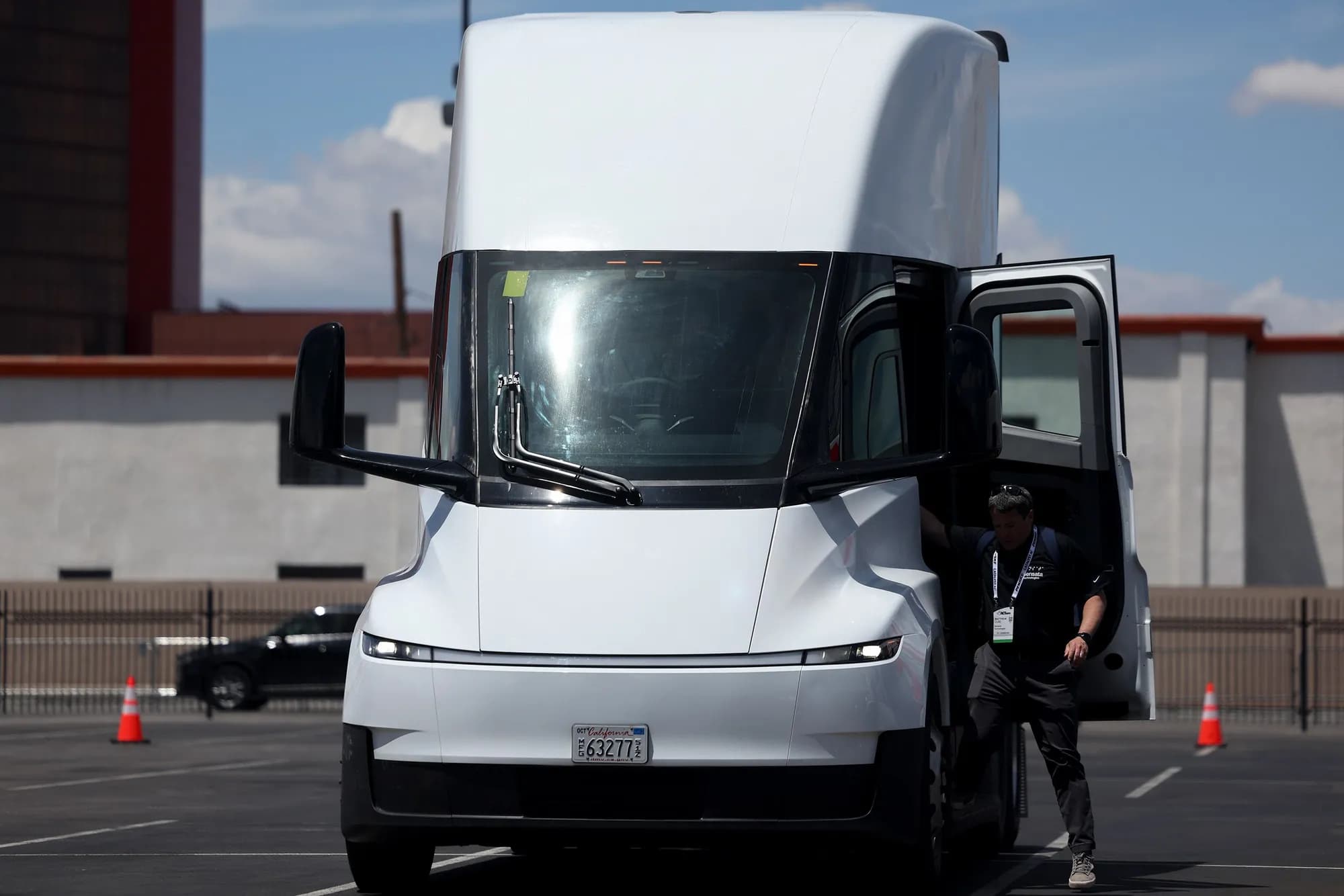
For nearly ten years, the prospect of an all-electric Class 8 truck has lived in the realm of ambitious prototypes and prolonged timelines. When the concept was first showcased, skepticism from logistics veterans and automotive engineers alike was the default reaction. Heavy freight demands immense energy, grueling duty cycles, and unwavering reliability—qualities that battery-electric vehicles historically struggled to deliver at scale.
Yet, the recent rollout of the production-ready Semi to early corporate adopters signals that a generational shift in commercial logistics may finally be underway. Beyond the glossy marketing and bold range claims, this vehicle represents a stress-test for modern battery chemistry, high-voltage charging infrastructure, and the sheer grit required to transform a notoriously conservative industry.
A Decade in the Making: From Concept to Asphalt
The journey from the initial stage reveal to actual fleet deployment has been exceptionally protracted, testing the patience of investors, enthusiasts, and prospective buyers. Developing a semi-truck is fundamentally different from building a passenger car; the constraints of payload capacity, gross vehicle weight ratings, and continuous highway operation introduce entirely new engineering hurdles. Thermal management at sustained high loads and the physical degradation of massive battery packs under daily abuse required iterative cycles of redesign.
During this extended gestation period, competitors ranging from traditional truck manufacturing giants to agile startups did not stand still. Various fuel-cell and battery-electric concepts entered pilot programs worldwide. However, the official delivery of operational units to major corporate fleets elevates the conversation from theoretical whitepapers and limited trials to tangible, real-world fleet integration and telematics logging.
Decoding the Engineering and Performance Claims
At the core of the Semi's appeal are performance metrics that sound almost counterintuitive for a heavy hauler. Traditional diesel rigs are notorious for sluggish acceleration when fully loaded, particularly on steep mountain grades. The electric architecture flips this script entirely, offering instantaneous torque that allows the vehicle to maintain highway speeds up inclines where older diesel engines traditionally bog down.
Equally critical is the energy management system required to propel a fully loaded gross weight vehicle hundreds of miles on a single charge. Achieving efficiency figures measured in kilowatt-hours per mile demanded a complete rethinking of aerodynamics, powertrain integration, and regenerative braking. For fleet managers, these engineering choices translate directly to lower operating costs per mile, assuming the upfront capital expenditure and charging infrastructure can be economically justified.
The Infrastructure Bottleneck and Megawatt Charging
Placing an electric semi-truck on the road is only half the battle; the surrounding infrastructure remains the ultimate arbiter of its commercial viability. Standard overnight chargers are insufficient for vehicles that must maintain high utilization rates to remain profitable. This reality necessitated the development of high-capacity megawatt charging standards capable of replenishing massive battery packs in the time it takes drivers to complete a mandatory rest break.
Deploying these ultra-fast chargers along major freight corridors introduces complex challenges for local electrical grids, commercial real estate developers, and utility companies. Substation upgrades, demand charges, and energy storage buffers are vital components of the ecosystem that must scale alongside the vehicle fleet. Without a robust, reliable charging backbone, even the most capable electric truck risks becoming stranded capital.
Implications for Commercial Fleet Operations
For logistics companies operating thousands of trucks, vehicle acquisition is governed entirely by total cost of ownership rather than environmental idealism. Factors such as fuel price volatility, preventative maintenance schedules, brake wear, and driver retention play decisive roles in financial modeling. Electric powertrains inherently feature fewer moving parts than internal combustion engines, promising dramatic reductions in routine engine maintenance and downtime.
However, fleet managers must also navigate new variables, including payload trade-offs resulting from battery weight and the complexities of route optimization. Drivers accustomed to traditional gearboxes and diesel hums face a learning curve regarding regenerative braking, pre-trip planning, and software-driven interfaces. As early adopters gather empirical telemetry, the industry will gain a clearer picture of how electric heavy transport performs under punishing commercial conditions.
The Developer and Software Perspective
Modern commercial vehicles are essentially rolling data centers powered by millions of lines of code. For software engineers and developers working in technology, the advent of connected electric fleets unlocks unprecedented streams of telemetry, predictive maintenance alerts, and route efficiency analytics. Fleet management software must now evolve to integrate real-time battery health monitoring, dynamic charging station availability, and energy cost optimization.
Furthermore, autonomous driving features and advanced driver assistance systems integrated into commercial trucks present fascinating challenges in edge computing, sensor fusion, and safety compliance. The transition to electric fleets is deeply intertwined with the broader digitization of logistics, where software performance directly dictates operational margins and safety records.
Conclusion: A Long Road Ahead
The commercial rollout of the electric semi-truck represents a major milestone, but it is merely the opening chapter of a long transformation. While the technology has proven its technical feasibility on public highways, widespread industry adoption will hinge on falling battery costs, aggressive infrastructure expansion, and proven long-term reliability. As fleet operators begin reporting real-world data, the logistics sector will finally discover whether electric freight can deliver on its immense promise.
المصدر: wired.com