
Decoding the Strategy Behind Apple's Most Affordable Smartwatch

Introduction to the Value-Driven Wearable Market
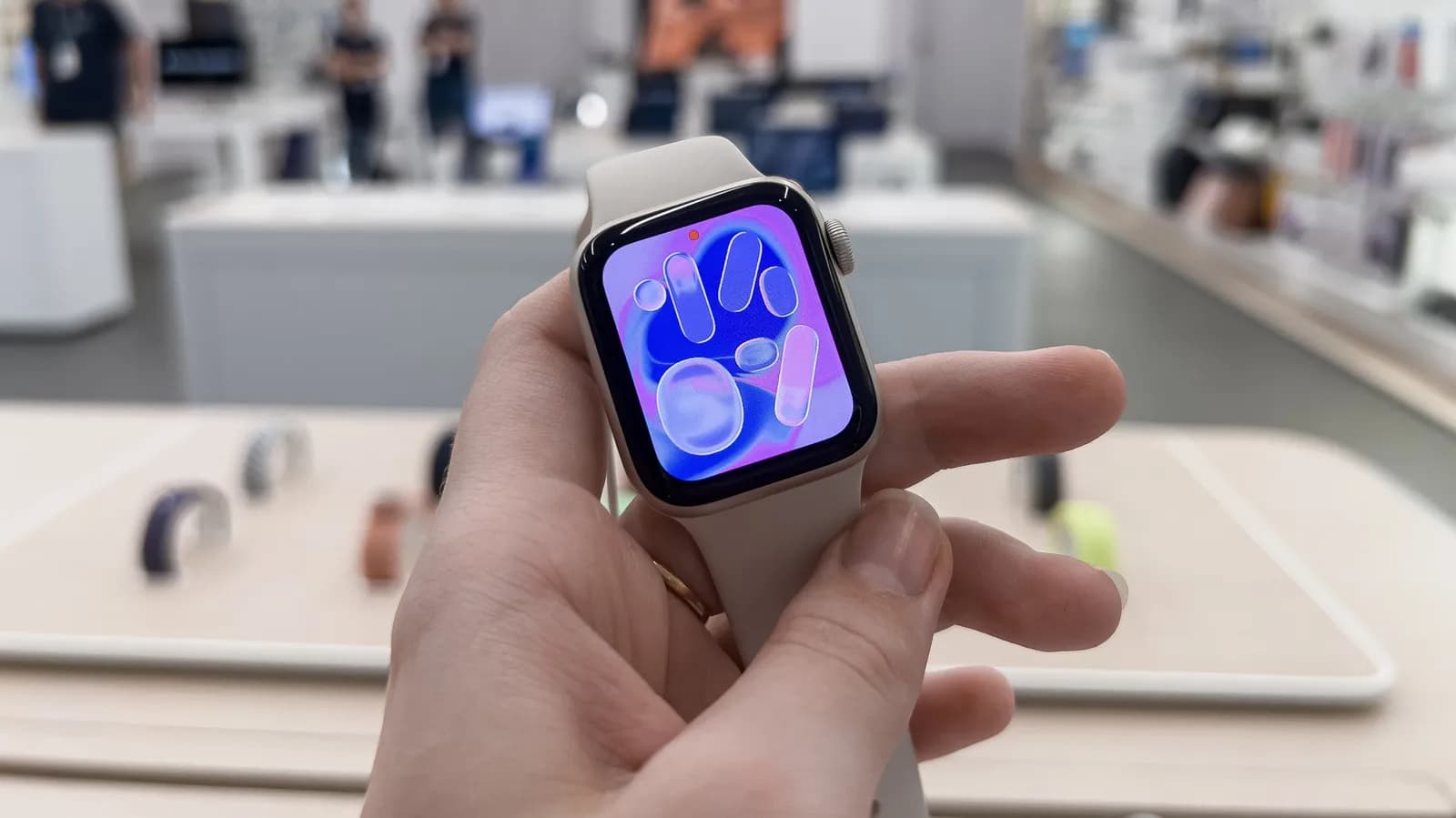
For years, tech enthusiasts and budget-conscious consumers alike have eyed flagship smartwatches with a mix of admiration and hesitation. The sheer cost of high-end wearables often puts them in the luxury category rather than the everyday utility tier. Apple's ongoing strategy with its entry-level wearable line seeks to fundamentally rewrite this narrative by offering an accessible gateway into the ecosystem without demanding a premium investment. The Apple Watch SE 3 stands out not merely as a cheaper alternative, but as a masterclass in product segmentation and cost engineering.
Understanding how Apple manages to strip away hundreds of dollars from the flagship price tag while retaining the core experience reveals a lot about modern consumer electronics manufacturing. By making deliberate choices regarding materials, sensor suites, and manufacturing efficiencies, the company has carved out a distinct space for budget-conscious buyers. This deep dive explores the mechanics behind the pricing model, the user experience trade-offs, and the broader implications for the wearable technology market.
The Anatomy of Cost Reduction: Materials and Manufacturing
When engineering a lower-cost device, original equipment manufacturers generally look at three primary levers: raw materials, component complexity, and assembly scale. In the case of the Apple Watch SE line, the transition away from exotic metals like titanium or stainless steel toward lightweight composite materials or aluminum plays a monumental role in keeping baseline production costs manageable. These alternative casings are not only cheaper to source and machine, but they also streamline the thermal and structural engineering required during assembly.
Furthermore, the economies of scale that Apple commands allow component costs to be amortized over millions of units. By utilizing mature manufacturing processes that have been refined over several generations, the overhead per unit drops significantly. While the chassis might lack the polished sheen of the top-tier models, the structural integrity and daily durability remain remarkably resilient, proving that affordability does not automatically translate to fragile build quality.
Strategic Feature Omissions: What You Lose and Why
The core philosophy of the budget-tier wearable relies heavily on strategic feature reduction. To keep the price point exceptionally low, advanced health monitoring hardware—such as specialized clinical-grade sensors or intricate biometric diagnostics—is frequently omitted from the specification sheet. For the average user, the absence of these advanced medical tools might go entirely unnoticed, as basic step counting, heart rate tracking, and smartphone notifications fulfill ninety percent of daily use cases.
Display technology also serves as a crucial differentiator. While flagship devices boast cutting-edge panel technology with ultra-thin bezels and advanced always-on capabilities, budget iterations often employ slightly older display generations or simpler refresh dynamics. These decisions not only reduce the direct component cost but also yield positive side effects in power management, frequently resulting in a device that feels snappy and efficient despite carrying a smaller battery cell.
The Developer and Ecosystem Perspective
From an application development standpoint, maintaining a uniform software experience across the entire hardware lineup is paramount. Developers do not want to write entirely different codebases for budget devices versus flagship ones. Because the Apple Watch SE runs the exact same core operating system and shares the same foundational software APIs as its more expensive siblings, the app ecosystem remains remarkably cohesive.
This hardware democratization ensures that developers can target a massive installed base of users who own entry-level devices. When fitness apps, productivity utilities, and micro-tools are deployed, they function identically regardless of whether they are running on a luxury titanium casing or an affordable composite model. For creators of digital experiences, this parity removes fragmentation headaches and guarantees that software innovations reach the widest possible audience.
Market Positioning and Consumer Psychology
Pricing technology correctly is as much about psychology as it is about supply chain economics. By introducing an aggressively priced wearable, the manufacturer effectively lowers the barrier to entry for prospective ecosystem recruits. Parents buying a device for their children, or individuals testing the waters of smart health tracking for the first time, are far more likely to commit when the financial risk is minimized. Once users are embedded within the digital ecosystem, the likelihood of future upgrades and service subscriptions increases exponentially.
This halo effect transforms the budget wearable from a low-margin loss leader into a powerful customer acquisition engine. Competitors in the Android and standalone fitness spaces have had to rapidly adapt their own pricing strategies to counter this aggressive positioning. The result is a fiercely competitive market where consumers ultimately win through lower prices and more robust baseline feature sets across the board.
Potential Risks and Long-Term Viability
Despite the clear advantages, offering a deeply discounted tech product introduces specific industry challenges. Chief among them is the risk of cannibalizing higher-margin sales; if the entry-level model is "good enough" for the vast majority of buyers, convincing them to spend extra on flagship tiers becomes an increasingly difficult marketing challenge. Additionally, keeping older hardware iterations viable over long software support cycles requires meticulous optimization from engineering teams.
As operating systems grow more feature-rich and demanding with each annual update, entry-level hardware inevitably faces performance ceilings sooner than its flagship counterparts. Managing consumer expectations regarding long-term longevity is crucial to maintaining brand loyalty. If a budget device slows down noticeably after a few major software updates, it risks tarnishing the reputation of reliability that the manufacturer relies upon.
Conclusion: The Ultimate Takeaway
The Apple Watch SE 3 represents a carefully calculated balance between cost, performance, and accessibility. By deliberately omitting niche health sensors and premium chassis materials, Apple has created a compelling product that meets the practical needs of everyday users without breaking the bank. For the broader tech landscape, it stands as a testament to the power of supply chain mastery and strategic product differentiation, proving that you do not always need to pay top dollar to experience the best of modern wearable technology.
Source: engadget.com