
Amazon Enhances Fire TV with Advanced Alexa+ Capabilities

The Evolution of Voice Control in the Living Room
Voice-activated computing has moved far past its initial novelty phase, transforming into an essential pillar of modern consumer electronics. For years, digital assistants have lived inside smart speakers, phones, and streaming boxes, managing basic tasks like weather updates, media playback, and smart home adjustments. Yet, the underlying conversational engines often struggled with complex, multi-layered queries, forcing users back to traditional remotes and touchscreens.
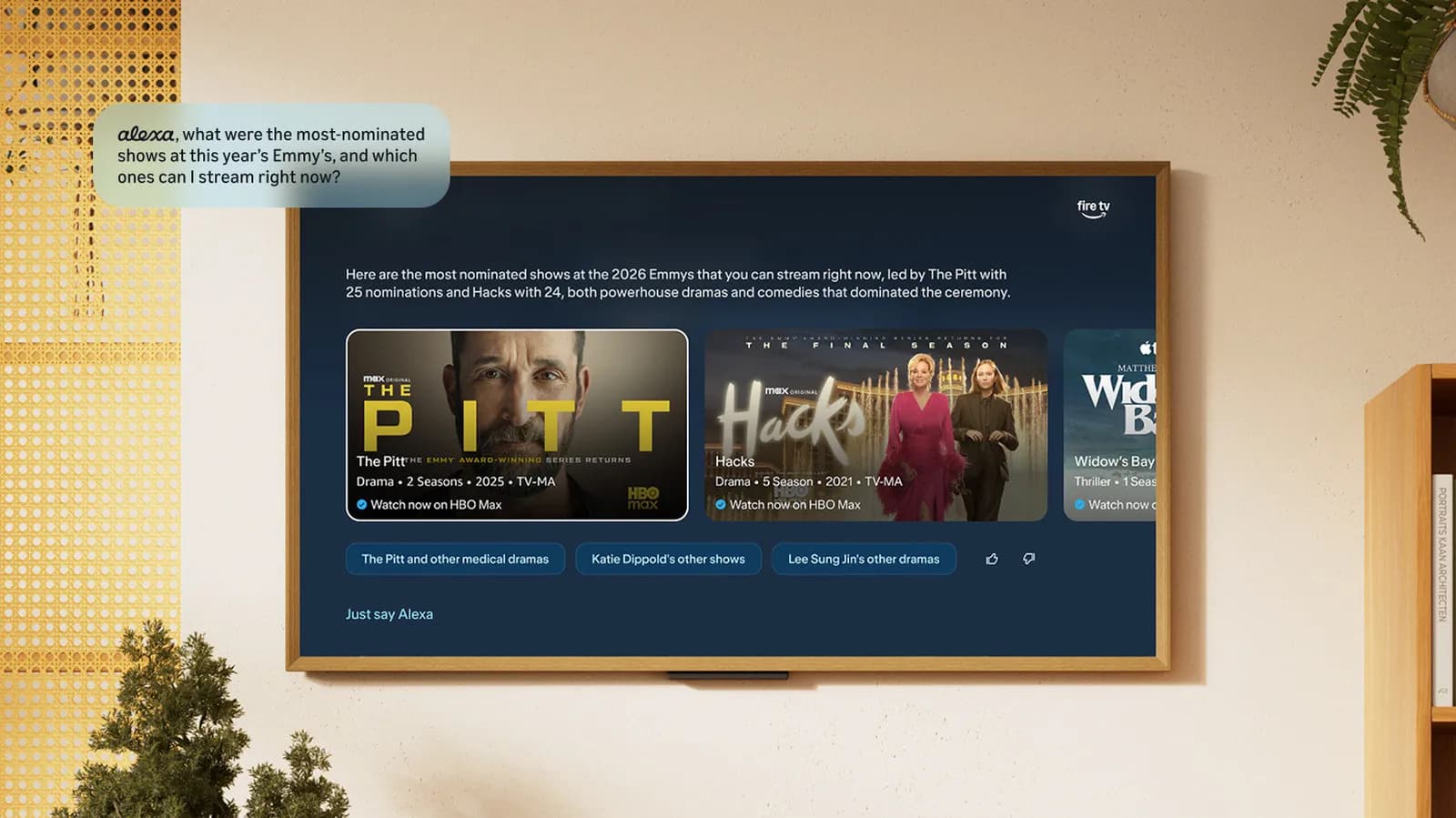
Amazon's decision to roll out its more advanced Alexa+ ecosystem to the Fire TV interface and mobile app represents a strategic effort to bridge this capability gap. By establishing a dedicated hub within the operating system, the tech giant is positioning conversational AI not merely as an add-on feature, but as the primary control plane for home entertainment and digital life.
Inside the Upcoming Fire TV Upgrades
The core of this upcoming update centers on a unified experience that spans both the television screen and the companion mobile application. Rather than treating the TV and the phone as isolated endpoints, Amazon's updated architecture aims to create a fluid bridge where users can initiate searches, organize watchlists, and manage device configurations seamlessly across devices.
The dedicated Alexa+ hub serves as the visual and functional anchor for these upgraded interactions. Instead of a simple text banner or an overlay at the bottom of the screen, the interface is designed to present contextual recommendations, handle nuanced content discovery queries, and streamline navigation through massive libraries of streaming media without requiring rigid, keyword-heavy commands.
Why It Matters for the Smart Home Ecosystem
For the broader smart home and connected living industry, this release highlights the ongoing race to build deeply integrated ambient computing platforms. Companies are no longer competing just on hardware specs or raw processing power; they are competing on the fluidity and contextual intelligence of their software layers. A streaming device is no longer just a conduit for Netflix or Prime Video—it is a central node in the household's digital ecosystem.
By upgrading Fire TV with more sophisticated AI features, Amazon is defending its turf against aggressive competition from Google TV, Apple TV, and Roku. As consumers increasingly expect their living room tech to understand natural language, intent, and subtle context, software updates of this scale are critical for maintaining platform loyalty and driving ongoing engagement.
Developer and Platform Implications
For developers building applications and media services for the Fire TV ecosystem, shifting towards an advanced AI-driven interface opens up fresh avenues for content discovery. When users can ask for media using complex thematic prompts rather than exact titles or genre filters, the algorithms governing recommendation engines must evolve in tandem.
This paradigm shift encourages third-party streaming apps to optimize their metadata and integration points with Amazon's operating system. If an application can be surfaced more naturally through conversational queries in the Alexa+ hub, it stands to capture significantly higher visibility in a crowded marketplace where app discovery has historically been a persistent challenge.
Navigating Privacy and Complexity Challenges
Despite the clear user experience advantages, deeper AI integration in shared spaces like living rooms introduces complex architectural and privacy considerations. Voice-activated systems that process richer, more conversational data streams require robust security frameworks to handle user data responsibly, particularly in multi-person households where children and guests share the same device.
Furthermore, managing expectations remains a persistent hurdle for platform engineers. As marketing highlights more powerful capabilities, the underlying models must reliably deliver low-latency responses and accurate intent recognition. Any friction in the voice loop—such as misheard phrases or sluggish UI transitions—can quickly frustrate users who expect instantaneous, conversational feedback.
Looking ahead to the November rollout, the success of this initiative will ultimately depend on real-world reliability and everyday utility. If Amazon can successfully transition Fire TV from a menu-driven appliance into a genuinely conversational home hub, it could set a new benchmark for how users interact with their screens, paving the way for even deeper software integrations in the future.
Source: engadget.com