
Apple Extends New Siri AI Capabilities to Older Apple TV Hardware

Expanding the Reach of Modern Siri
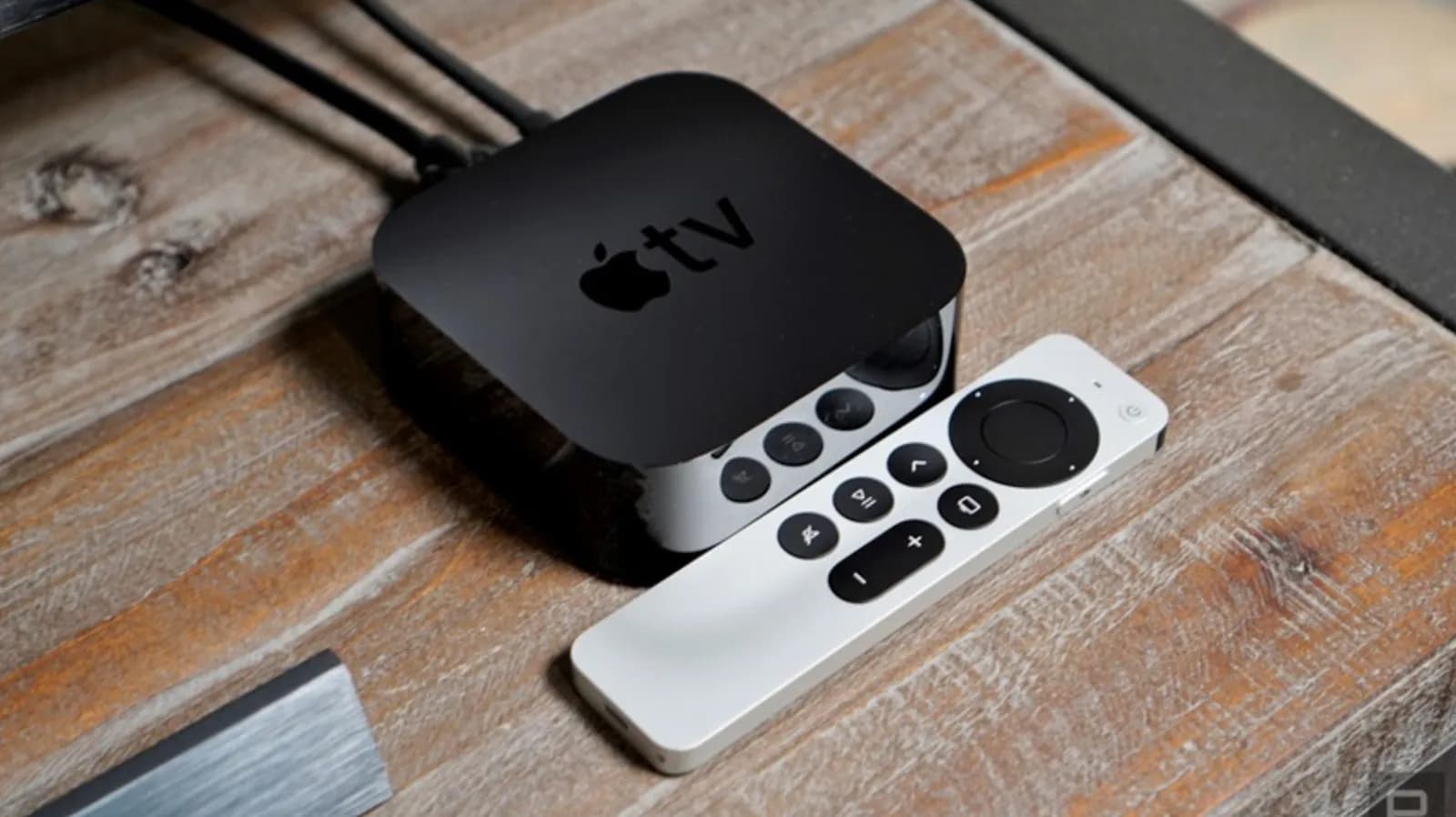
In the wake of major announcements surrounding next-generation artificial intelligence across Apple's platform ecosystem, much of the public conversation has focused on strict hardware requirements. Between neural engine constraints and memory minimums, newer operating systems often leave older connected hardware in maintenance mode. However, in a welcome departure from typical deprecation cycles, Apple is expanding its refreshed Siri AI capabilities to include legacy streaming boxes, extending support as far back as the second-generation Apple TV 4K introduced in 2021.
This move highlights an evolving approach toward deploying generative and conversational interfaces across ambient computing devices. While top-tier smartphones and laptops shoulder heavy local compute workloads, the living room screen occupies a distinct architectural niche where hybrid processing, cloud orchestration, and responsive conversational search can fundamentally reshape how users navigate home entertainment.
Understanding the Hardware Context
To appreciate the significance of this backward compatibility, one must look at the silicon under the hood of the second-generation Apple TV 4K. Released in the spring of 2021, the device is powered by the A12 Bionic processor—a chip that debuted originally with the iPhone XS generation in 2018. While the A12 featured an eight-core Neural Engine capable of significant computational leaps at the time, it pales in comparison to the multi-gigabyte memory pools and dedicated matrix engines found in Apple's contemporary silicon like the M-series or A17 Pro chips.
Because modern generative AI paradigms often demand gigabytes of unified memory to hold model weights in volatile storage, early speculation suggested that living room hardware without massive RAM headroom would simply miss out on modern Siri features. By bringing revised Siri intelligence to an A12-powered set-top box, Apple underscores that the living room experience is not constrained solely to on-device large language models, but rather leverages a distributed architecture tailored to the device's operational profile.
The Architecture Behind Living Room AI
The technical implementation of AI on tvOS differs substantially from macOS or iOS. Handheld devices frequently prioritize strict on-device computation to preserve privacy and minimize latency when processing personal context, photos, and messages. A dedicated streaming device, by contrast, sits on a reliable high-speed broadband network and primarily mediates media discovery, device control, and structured entertainment queries.
Consequently, the modernized Siri assistant on these platforms can lean heavily on hybrid execution. By processing audio capture, intent classification, and command parsing through a blend of localized speech recognition and Private Cloud Compute pipelines, Apple is able to deliver fluid, context-aware conversational parsing without overloading the physical RAM of a three-year-old streaming box. This architectural flexibility allows older hardware to comprehend complex, conversational prompts without requiring local model weights that would otherwise monopolize memory needed for 4K video rendering and system responsiveness.
Why Living Room Voice Assistance Matters for Developers
For tvOS developers and digital streaming providers, a more capable Siri represents a long-awaited leap forward in app discoverability and interaction design. Navigating television interfaces with a handheld remote has historically been fraught with friction; on-screen keyboards are clumsy, and traditional voice search frequently stumbled whenever queries deviated from exact movie titles or actor names.
With upgraded Siri intelligence, users can articulate natural, nuanced requests—such as asking for specific genres intertwined with temporal context or thematic descriptions. Developers who integrate deeply with tvOS search indexes, Core Spotlight, and Universal Purchase pipelines stand to benefit directly from this intelligence layer. A smarter voice assistant can effectively map conversational user queries directly into deep links within third-party apps, reducing bounce rates and boosting engagement across media catalogs without requiring developers to build proprietary NLP models.
Addressing the Generational Divide in Apple Hardware
Apple has faced persistent scrutiny over its hardware tiering, particularly when early announcements for Apple Intelligence indicated that only the latest mobile chipsets would support enhanced assistance. By validating that the 2021 Apple TV 4K can participate in this modernization wave, Apple offers reassuring longevity to customers who do not replace living room appliances on annual upgrade cycles.
Set-top boxes, smart speakers, and home hubs are fundamentally sticky products. Consumers expect these devices to function smoothly for five or more years without degradation in feature relevance. If Apple had walled off enhanced voice interaction exclusively to future unannounced hardware or high-cost flagships, it would have fragmented the smart home experience and disincentivized developers from adopting modern voice triggers on tvOS. Ensuring parity across multiple hardware generations preserves developer trust and keeps the platform cohesive.
Looking Ahead: The Evolution of Ambient Computing
The integration of advanced conversational models into legacy Apple TV devices serves as a clear indicator of where ambient computing is heading. In the broader landscape of the smart home, voice remains the most natural modality, yet it has been severely constrained for over a decade by rigid, keyword-driven command interpreters. The transition to contextually aware, flexible intelligence transforms the TV from a passive display into an active home hub.
As these features roll out more widely, the benchmark for conversational television interfaces will rise across the entire consumer electronics industry. Competitors in the streaming hardware domain will need to demonstrate similar long-term support and software agility if they hope to match the fluid, unified ecosystem Apple is building across living room, desktop, and pocket devices alike.
Source: engadget.com