
Audio-Technica Expands Its StreamSet Lineup With New Wireless Model

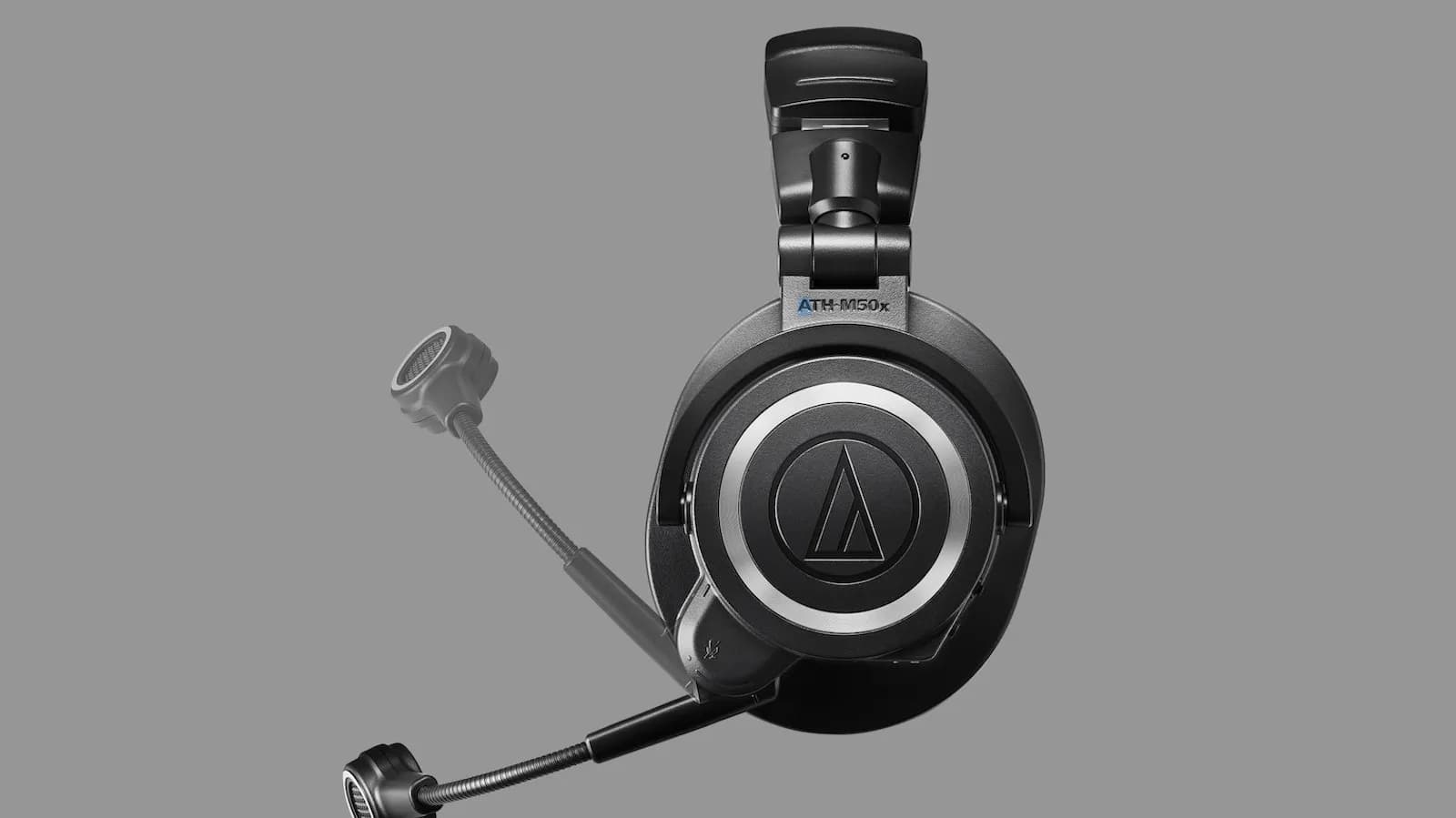
The Evolution of StreamSets and the Wireless Shift
For years, content creators, podcasters, and live streamers have relied on wired audio hardware to guarantee zero latency and absolute signal stability. Audio-Technica carved out a respected niche in this space with its StreamSet series, combining broadcast-quality microphone capsules with studio-grade headphone monitoring. However, these units traditionally required physical tethering through USB or XLR interfaces, cementing them firmly to a desktop mixing console or streaming rig. The introduction of the first wireless StreamSet marks a strategic evolution for the brand, recognizing that modern digital creators increasingly demand mobility without sacrificing acoustic fidelity.
This shift reflects broader trends across the consumer and prosumer audio markets. As remote broadcasting, hybrid streaming setups, and multi-angle camera work become standard, cables increasingly represent a friction point. By moving to a wireless form factor, Audio-Technica is positioning its new headset not just as a static desktop tool, but as a flexible solution for creators who move around during their broadcasts, record on location, or simply prefer a clutter-free workspace. The engineering challenge, of course, has always been maintaining broadcast-grade microphone clarity over a wireless radio frequency without introducing compression artifacts.
Bridging Broadcast Quality and Wireless Freedom
At the core of the traditional StreamSet appeal is the integration of a high-performance studio microphone derived from the company's legendary broadcast heritage. Translating that sonic profile into a wireless ecosystem requires careful consideration of codec selection, RF interference mitigation, and power management. Unlike standard gaming headsets that prioritize low-latency proprietary connections over raw vocal fidelity, professional streaming gear must deliver clean, intelligible, and warm vocal reproduction suitable for professional distribution platforms.
The new wireless iteration retains the acoustic architecture that users expect while incorporating modern wireless transmission technology. This balancing act is crucial for developers and hardware enthusiasts who follow audio engineering trends. Achieving a reliable wireless connection while simultaneously driving high-impedance headphone drivers and processing a condenser-quality microphone stream places heavy demands on onboard digital-signal processors (DSPs) and battery cells. Audio-Technica's entry into this segment signals confidence that current wireless protocols can finally meet the stringent demands of professional-grade vocal capturing.
Why This Matters for Modern Content Creators
The modern digital workspace is remarkably dynamic. Content creators are no longer just sitting rigidly in front of a single microphone; they are standing up, interacting with physical props, conducting interviews, and streaming from varied environments. A wireless broadcast headset removes the physical leash that has historically tied creators to their audio interfaces, opening up new possibilities for presentation styles and studio layouts.
Furthermore, the reduction of cable clutter contributes to a cleaner aesthetic for video-based streams and simplifies the hardware teardown process for mobile setups. For professionals who frequently travel to conventions, live events, or client sites, packing a single all-in-one wireless headset instead of managing separate standalone microphones, XLR cables, and headphone wires significantly streamlines production workflows. This hardware maturity reflects an industry-wide pivot toward frictionless ergonomics.
However, moving away from a physical cable introduces new variables that creators must manage. Battery health, charging cycles, wireless interference from Wi-Fi routers and Bluetooth devices, and line-of-sight signal drops become operational considerations. While these are familiar trade-offs in consumer audio, transitioning them into professional streaming environments requires robust fail-safes and exceptional hardware reliability to prevent mid-broadcast audio dropouts.
Developer and Engineering Perspectives
From an engineering standpoint, creating a wireless prosumer audio device involves complex compromises across power, weight, and signal processing. Adding transmitters, batteries, and antenna arrays to a headphone chassis inherently increases weight, which can lead to user fatigue during marathon streaming sessions. Hardware designers must meticulously optimize component placement to ensure structural ergonomics are not compromised by internal electronics.
Additionally, firmware plays a massive role in modern wireless audio peripherals. Features such as ambient noise suppression, sidetone monitoring, and equalizer customization rely heavily on onboard embedded software. As hardware ecosystems evolve, the ability to push over-the-air firmware updates to peripherals ensures that devices can adapt to emerging audio standards and software suites. Developers working on audio routing software and operating system kernel extensions will also need to ensure seamless plug-and-play compatibility with these new hardware classes.
The Broader Impact on the Audio Peripheral Market
Audio-Technica's move into wireless streaming hardware highlights a broader convergence between pro-audio engineering and consumer convenience. Historically, professional gear prioritized pure performance at the expense of user-friendly features, while consumer gear focused on convenience while sacrificing audio purity. Products like the wireless StreamSet aim to bridge this gap, proving that modern engineering can deliver studio-grade acoustics within a portable, wireless footprint.
As competitors observe this shift, the market for professional wireless broadcast gear is likely to heat up. We can anticipate accelerated innovation in ultra-low-latency RF protocols, extended battery life architectures, and advanced directional microphone beamforming algorithms designed specifically for head-worn devices. For an industry long dominated by traditional wired XLR standards, this represents a significant modernization milestone.
Looking Ahead: The Future of Untethered Broadcasting
The launch of a wireless StreamSet opens an interesting chapter for audio enthusiasts and digital creators alike. As wireless transmission bandwidth increases and power efficiency improves, the performance gap between wired and wireless peripherals continues to shrink. Creators can look forward to an era where mobility no longer carries an acoustic penalty.
Ultimately, the success of this product category will depend on real-world adoption by creators who test its limits under heavy professional usage. If it proves capable of delivering unwavering reliability and pristine audio quality without the cable, it could redefine the baseline expectations for professional broadcast hardware moving forward.
Source: engadget.com