
Autonomous Cleaning Evolves: Inside the 2026 Robot Vacuum Landscape

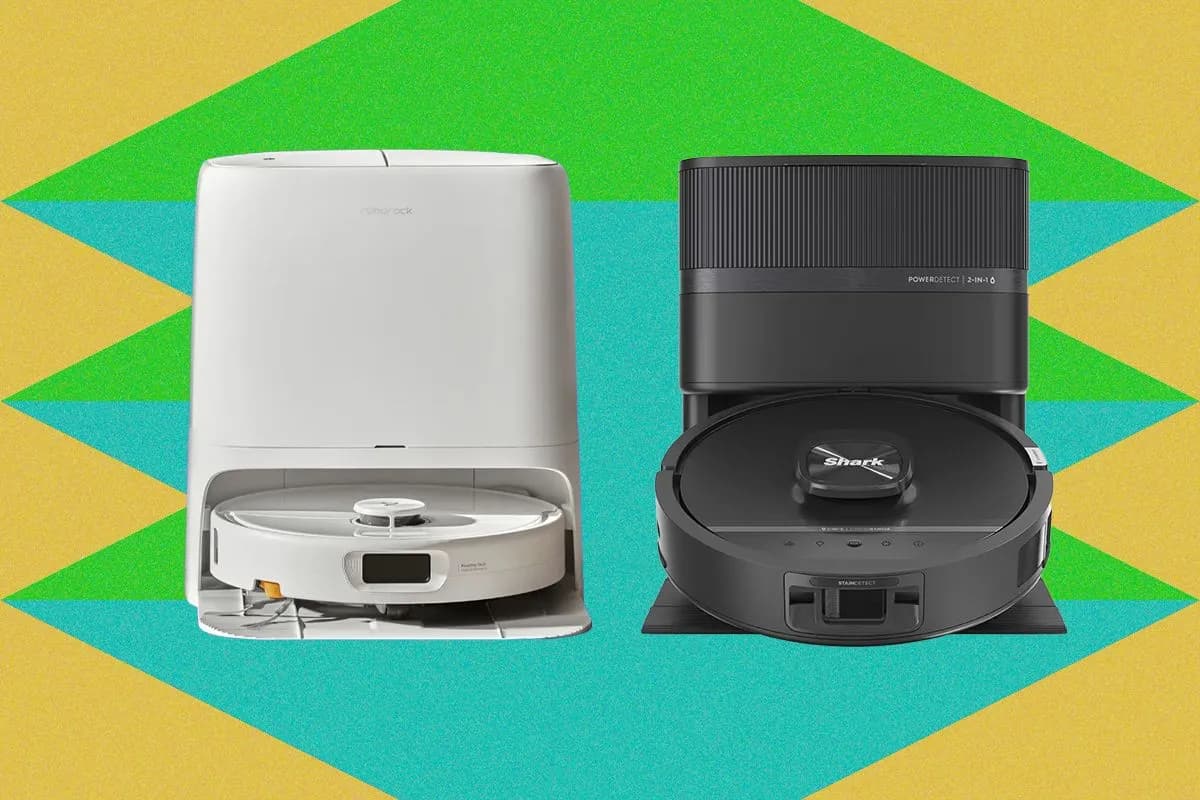
The Evolution of Autonomous Home Robotics
For years, automated vacuums were viewed as little more than novelty gadgets—helpful for light surface maintenance, but frequently trapped by stray cables, baffled by complex floor plans, and utterly useless against stubborn, dried-on spills. Today, however, the industry has undergone a radical transformation. The latest crop of smart cleaning devices represents a massive leap forward in artificial intelligence, spatial awareness, and mechanical engineering, turning these once-frustrating appliances into genuinely autonomous household caretakers.
As manufacturers push the boundaries of what domestic robotics can achieve, consumers are met with a dizzying array of advanced features. From sophisticated obstacle-avoidance algorithms powered by neural networks to high-pressure mechanical scrubbing pads and self-cleaning docking stations, the modern cleaning bot is an engineering marvel. Examining how leading brands like Shark, Eufy, and Roborock approach these challenges gives us a clear window into the future of consumer robotics and automated home maintenance.
Smarter Navigation Through Advanced Sensors
One of the most significant pain points of early autonomous vacuums was their haphazard approach to mapping and navigation. Older models relied heavily on random bump-and-turn mechanics or basic infrared sensors, frequently getting lost under furniture or repeatedly ramming into baseboards. Modern devices, by contrast, utilize a combination of LiDAR (Light Detection and Ranging), structured light projectors, and front-facing optical cameras to construct millimeter-accurate three-dimensional maps of entire living spaces in real time.
This sophisticated sensor suite allows contemporary machines to dynamically recognize and categorize household clutter. Instead of merely treating an obstruction as an impassable wall, an advanced optical processing unit can identify shoes, pet waste, charging cables, and socks, dynamically routing around them while logging their locations in a companion mobile app. For developers and robotics enthusiasts, the software stack driving these spatial calculations is fascinating, relying on simultaneous localization and mapping (SLAM) algorithms that process vast amounts of sensor data on constrained onboard computing hardware.
Tackling Tough Stains and Hard-to-Reach Corners
Beyond simply avoiding obstacles, the latest generation of cleaning hardware has solved one of the most stubborn physical limitations of automation: edge cleaning and deep stain removal. Historically, round robotic platforms left triangular gaps of untouched dust in tight ninety-degree room corners, and their damp mopping attachments merely dragged a wet cloth across the floor with minimal downward force.
Current flagship models employ innovative mechanical solutions to conquer these spatial limitations. Some designs feature extendable side arms or rotating mop pads that physically shift outward to scrub right up against baseboards and furniture legs. Furthermore, modern mopping systems have evolved from passive pads to active mechanisms that apply consistent downward pressure while spinning at high RPMs, or even vibrating ultrasonically to lift stubborn, dried messes from hardwood and tile surfaces without human intervention.
The Fully Automated Maintenance Loop
Perhaps the most profound shift in the user experience of modern cleaning robots is the minimization of human maintenance. Early devices required constant emptying of tiny dustbins after every single cleaning cycle, tangled hair manually snipped from roller brushes, and dirty mopping cloths washed by hand in a sink. The contemporary market has largely standardized around fully self-contained docking stations that eliminate these tedious daily chores.
These advanced bases automatically empty the vacuum's onboard dustbin into a high-capacity sealed bag, wash the mopping pads with hot water, and dry them with heated air to prevent bacterial growth and unpleasant odors. Some high-end stations even refill the robot's internal water tank and dispense cleaning solution automatically. This closed-loop maintenance system transforms the device from a high-maintenance gadget that requires constant oversight into a truly set-it-and-forget-it appliance that can operate autonomously for weeks at a time.
- Automatic dust collection into multi-week sealed bags
- High-temperature hot water washing for textile mop pads
- Warm-air drying cycles to inhibit mold and mildew
- Automated refilling of onboard liquid reservoirs
Software Integration and Privacy Considerations
With advanced optical cameras and continuous environmental mapping becoming standard features, software integration and data privacy have emerged as critical discussion points. Modern cleaning robots connect seamlessly to cloud ecosystems, supporting voice commands through popular smart home assistants and offering granular scheduling controls via polished mobile applications. Users can draw virtual boundaries, designate no-go zones, and view detailed cleaning reports directly on their smartphones.
However, the heavy reliance on cloud connectivity and onboard vision systems naturally raises valid security questions. Because these machines map intimate details of private homes—often streaming video feeds or storing detailed spatial layouts on remote servers—manufacturers face increasing pressure to implement rigorous end-to-end encryption and local data processing options. Ensuring that sensitive spatial data remains secure against potential vulnerabilities is a paramount challenge for engineers building the next wave of smart home infrastructure.
Future Horizons in Consumer Robotics
Looking ahead, the trajectory of autonomous home maintenance points toward even greater integration with generalized artificial intelligence and advanced manipulation capabilities. As edge AI processors become cheaper and more powerful, we are likely to see robots that can perform more complex tasks beyond basic floor cleaning, such as tidying up lightweight clutter or interacting more intelligently with domestic pets.
Ultimately, the rapid evolution of these cleaning platforms demonstrates how quickly sophisticated robotics can transition from luxury novelties to mainstream household necessities. By continuously refining their mechanical designs, sensor arrays, and software intelligence, manufacturers are setting a new standard for what consumers can expect from automated home assistants.
Closing Takeaway
The latest generation of autonomous floor-care devices proves that the smart home is moving past simple remote-control conveniences into genuine automation. By combining precise spatial mapping, robust stain-scrubbing mechanics, and self-maintaining docks, these systems finally deliver on the promise of effortless domestic upkeep.
Source: wired.com