
Beyond the Black Box: How Insta360's New Mic Repurposes Audio Hardware Design

Introduction to the Audio Hardware Renaissance
For years, the market for creator-focused audio peripherals has adhered to a strict, utilitarian design language. Whether looking at budget USB condensers or high-end wireless lavalier systems, the aesthetic choices were aggressively uniform: matte black finishes, understated branding, and an overall corporate seriousness that left little room for personal expression. Hardware manufacturers prioritized invisible utility over tactile engagement, treating microphones as mere black boxes designed to capture sound waves without drawing any visual attention to themselves.
Into this predictable landscape steps Insta360, a company better known for pushing the boundaries of 360-degree and action videography. With the introduction of their new microphone kit, they are challenging the stagnant conventions of the audio hardware space. By injecting modularity, customizable aesthetics, and thoughtful mid-range engineering into the mix, the device signals a shift in how hardware manufacturers approach tools built for modern digital creators and developers who produce video documentation, streams, or technical tutorials.
Breaking the Mold with Aesthetic Modularity
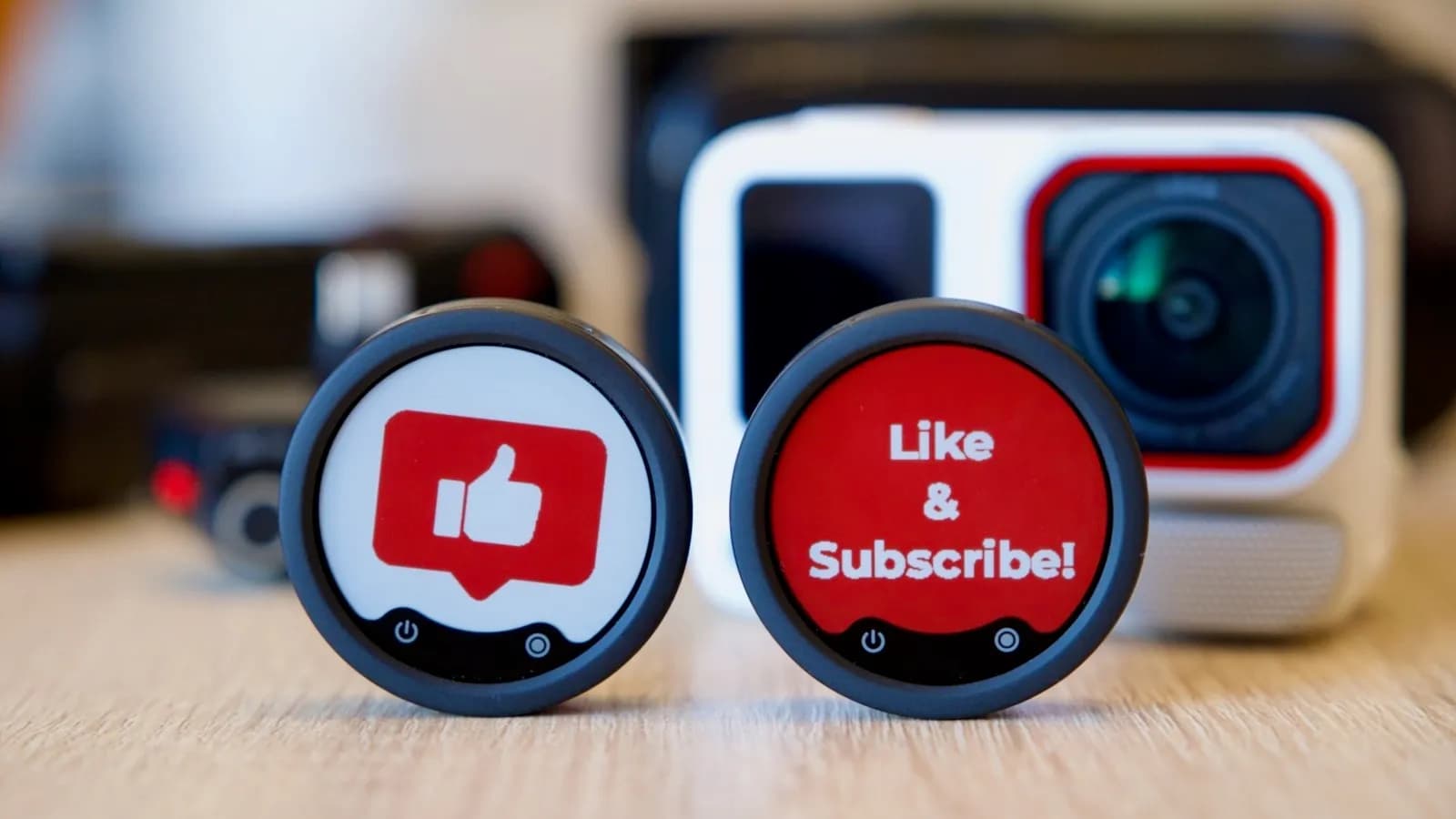
The core philosophy behind Insta360's entry into the audio market revolves around visual differentiation without sacrificing core performance. In an industry dominated by monolithic black plastic and brushed aluminum, the new microphone introduces swappable elements and a distinct pop of color that allows users to tailor their gear to their personal brand or studio aesthetic. This might seem like a superficial alteration to traditionalists, but in the realm of modern content creation where gear is frequently on camera during live streams, coding walkthroughs, or YouTube tutorials, visual identity matters significantly.
Beyond the vibrant exterior customization, the design choices reflect a deeper understanding of creator ergonomics. The physical footprint has been optimized to balance easily on desktop boom arms or clip securely onto apparel without sagging or pulling fabrics downward. By rethinking the physical casing and interaction points, Insta360 has managed to turn a standard utilitarian peripheral into an accessory that creators actually want to feature in their setups, rather than something they desperately try to keep out of the frame.
Under the Hood: Mid-Range Performance Meets Reliability
While an appealing exterior can capture initial interest, longevity in the creator market requires robust technical execution. Positioned deliberately in the competitive mid-range tier, this microphone kit targets professionals and hobbyists who have outgrown built-in camera or laptop audio but aren't prepared to invest thousands of dollars in broadcast-grade studio setups. The internal hardware architecture focuses on delivering crisp vocal clarity, reliable wireless transmission stability, and effective ambient noise rejection out of the box.
For developers, technical educators, and remote professionals who spend hours recording tutorials or conducting virtual meetings, mid-range hardware represents the sweet spot of value and capability. It bypasses the frustrating driver issues and latency spikes often found in ultra-budget alternatives while avoiding the over-engineered complexity and steep price tags of professional studio gear. The inclusion of intuitive gain controls, direct monitoring ports, and seamless pairing mechanisms ensures that users can jump straight into recording without getting bogged down in audio engineering minutiae.
The Developer and Creator Workflow Integration
Modern software development is increasingly visual and communicative. Whether recording architectural breakdowns on YouTube, hosting technical podcasts, or collaborating globally via video conferencing, developers rely heavily on clear, intelligible audio to convey complex concepts. Poor audio quality is frequently cited as the number one reason viewers abandon technical tutorials or documentation videos, making hardware reliability a critical pillar of modern developer advocacy and content creation.
Integrating a dependable mid-range microphone into a daily workstation setup dramatically streamlines the production pipeline. When hardware simply works—pairing instantly, maintaining a solid connection across the room, and requiring minimal post-processing in Digital Audio Workstations (DAWs)—creators can redirect their cognitive load back into writing code or scripting tutorials. The reduction in friction between capturing an idea and publishing it is where hardware investments deliver their true return on investment.
Market Implications and Competitive Pressures
The launch of a distinctive audio product from an action-camera specialist highlights a broader industry trend: hardware ecosystems are rapidly converging. Companies that historically stayed within rigid product categories are now expanding outward, leveraging their existing manufacturing supply chains, brand loyalty, and design expertise to capture adjacent markets. For established audio giants, this means increased pressure to innovate beyond traditional acoustic engineering and pay closer attention to industrial design, software integration, and creator culture.
By targeting the mid-range segment specifically, Insta360 is disrupting a crucial battleground. While high-end buyers are loyal to legacy studio brands, the massive influx of new creators—ranging from indie game developers to full-stack educators—operates primarily in the accessible mid-tier. If legacy competitors fail to respond to demands for better aesthetics, easier workflow integration, and versatile modularity, they risk ceding this rapidly growing demographic to nimble consumer tech brands.
Open Questions and Hardware Limitations
Despite the excitement surrounding its customizable design and reliable performance, no piece of hardware is without compromise. Mid-range wireless and USB audio solutions frequently have to balance battery life against transmission range and audio sample rates, forcing engineers to make calculated trade-offs. Users operating in highly congested RF environments, such as urban office spaces filled with competing Wi-Fi and Bluetooth signals, will test the true resilience of the microphone's wireless protocols.
Additionally, while physical customization is a welcome feature, long-term durability remains a metric that can only be judged after months of heavy field use. Creators will be watching closely to see how the interchangeable exterior components hold up against repeated packing, unpacking, and daily wear and tear. Software companion apps, firmware update reliability, and cross-platform compatibility will also dictate whether this hardware remains a seamless part of the workflow or introduces new maintenance overhead.
Final Thoughts on the Future of Creator Hardware
Insta360's foray into the microphone market proves that even mature hardware categories can be revitalized with a fresh perspective on design and user experience. By merging functional mid-range acoustic performance with a playful, customizable aesthetic, they have created a tool that speaks directly to the modern digital creator's desire for gear that is both reliable and expressive. As technology hardware continues to evolve, the expectation that professional tools must look austere is steadily fading, paving the way for a more personalized and engaging creative workspace.
Source: engadget.com