
Beyond the Fold: How Asian OEMs Are Reshaping Mobile Form Factors Ahead of Apple

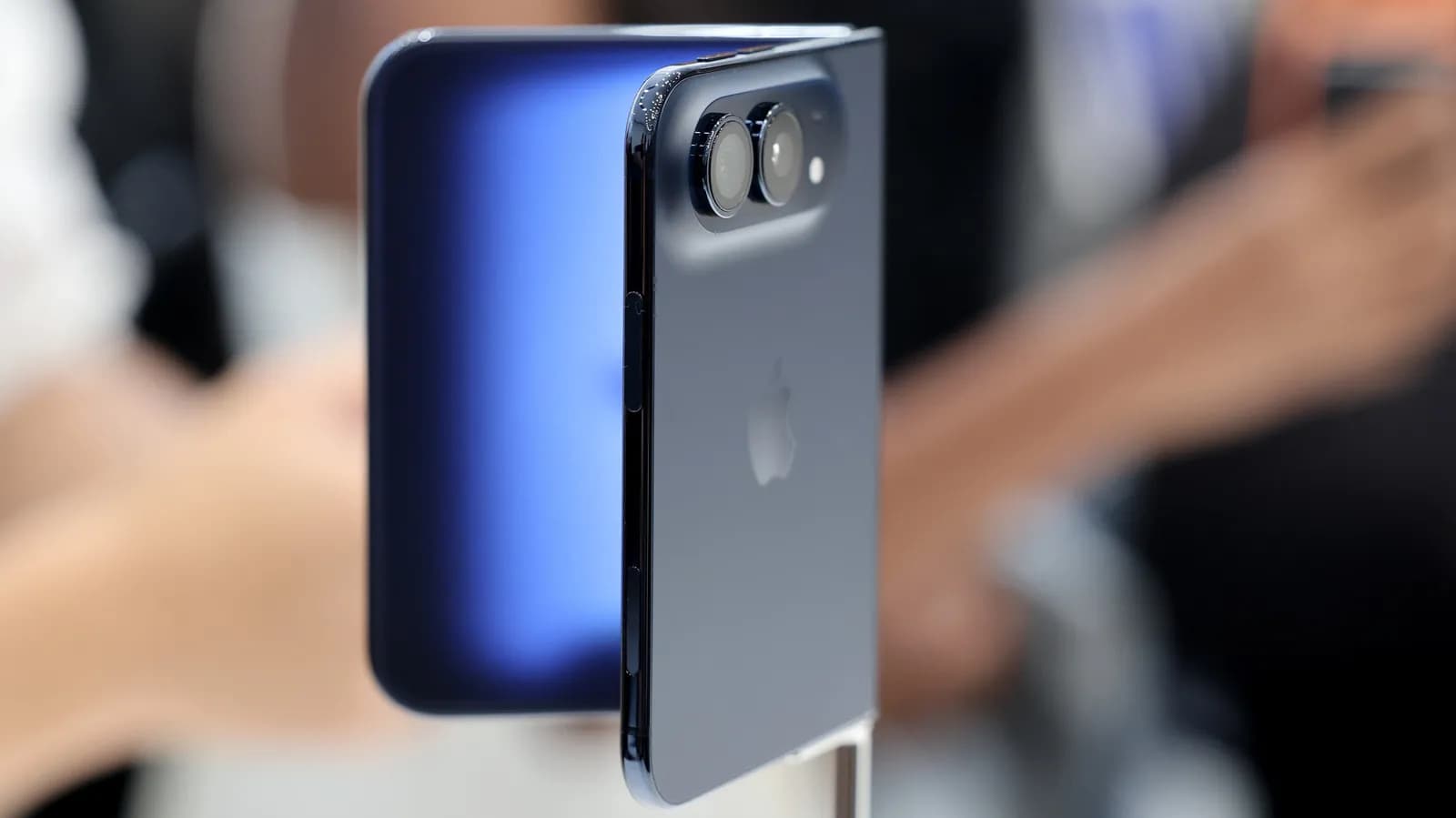
For years, the smartphone market has been characterized by iterative slab-design refinements: slightly faster silicon, progressively larger camera sensors, and incremental battery improvements. However, beneath the surface of this apparent stagnation, an intense hardware revolution has been underway across Asian supply chains. Brands such as Xiaomi, Oppo, Vivo, and Honor have invested heavily in flexible OLED panels, micro-hinge mechanics, and specialized multi-window interfaces, transforming foldable smartphones from delicate engineering curiosities into resilient daily drivers. With persistent speculation that Apple is preparing its own entry into the dual-screen and foldable category, the incumbent innovators in the foldable space are preparing for a profound clash of hardware philosophies.
The Maturing Landscape of Foldable Hardware
When the first commercial foldable devices emerged half a decade ago, early adopters faced significant compromises. Thick chassis, prominent screen creases, fragile plastic polymers, and mechanical vulnerability plagued the initial generation. Today, the technological trajectory looks remarkably different. Chinese manufacturers in particular have led an aggressive drive toward miniaturization and structural integrity, engineering multi-tier teardrop hinges that eliminate display gaps entirely when closed and drastically reduce panel stress along the axis of flexion.
Devices released over the past two hardware cycles by brands like Oppo and Xiaomi have shattered expectations regarding weight and ergonomics. Through the adoption of ultra-thin glass (UTG), titanium alloys, and carbon-fiber reinforcement structures, book-style foldables now rival traditional flagship slate phones in thickness and mass. Rather than forcing users to tolerate brick-like silhouettes, these modern flagships demonstrate that radical mechanical complexity does not necessarily require ergonomic sacrifice.
This hardware maturity is not accidental; it is the direct byproduct of fierce domestic competition across international markets where non-US original equipment manufacturers (OEMs) compete for high-end market share. In regions spanning East Asia, Europe, and Latin America, these manufacturers have used premium foldables to elevate their brand equity, challenging the prevailing narrative that Apple and Samsung hold an unassailable monopoly on luxury consumer electronics.
Mechanical Innovation and the Race for the Invisible Crease
The core battleground of flexible hardware lies in mechanical tolerance. Creating an articulation mechanism that withstands hundreds of thousands of actuation cycles while keeping dust, liquid, and debris from infiltrating the internal assembly represents one of the most formidable mechanical engineering problems in modern personal computing. Competitors like Oppo with their advanced hinge architectures, and Xiaomi with their precision carbon-steel structural components, have approached this challenge with distinctive industrial approaches.
By widening the curvature radius of the screen when folded into a waterdrop-style internal cavity, these manufacturers have successfully dispersed bend stress across a broader surface area. The direct result is a hinge mechanism that lays flatter, extends smoother, and minimizes the tactile furrow that previously detracted from user experience. Coupled with customized panel coatings and advanced adhesive layers, the current crop of non-US foldables feels structurally cohesive in ways that early detractors thought impossible.
Furthermore, internal battery packaging has evolved in parallel. Instead of relying on a single conventional power cell, modern dual-display hardware integrates split-cell battery systems distributed across both halves of the chassis. Managed by custom power-delivery controllers, these systems maintain optimal weight distribution while delivering high-wattage fast charging—an area where Asian manufacturers continue to push boundaries far beyond Western counterparts.
The Software Conundrum: Multitasking and Windowing Parity
Impressive industrial engineering is only half the equation; the ultimate value proposition of an expandable screen hinges on software capability. Translating a responsive smartphone interface into an expansive, desktop-adjacent workspace has forced both Google and third-party Android vendors to rethink interface design paradigms from the ground up. Android's broader ecosystem has undergone significant adaptations, particularly with continuous improvements to large-screen layouts, taskbars, and dynamic resource resizing.
OEMs have pushed even further by layering proprietary multitasking frameworks over the core operating system. Solutions developed by Oppo, Xiaomi, and their peers offer spatial canvas concepts where apps can sit side-by-side, float in adaptive viewports, or seamlessly transition from a narrow outer cover screen to a cavernous interior display. Rather than treating the internal panel as merely an oversized phone interface, these custom software layers provide power users with flexible split-screen workflows, drag-and-drop file routing, and desktop-grade multi-window management.
Yet software consistency remains an ongoing hurdle. While first-party applications and major productivity suites adapt fluidly to changing aspect ratios, the broader application ecosystem often lags. Third-party developers are frequently slow to optimize assets for non-standard display dimensions, occasionally resulting in letterboxed experiences or awkward UI scaling. Closing this experience gap has required substantial investment from OEMs in compatibility engines and proactive developer outreach.
Developer Implications: Building Across Fragmented Form Factors
For mobile software engineers and application designers, the proliferation of varied foldable form factors introduces both architectural hurdles and creative opportunities. The days of designing mobile user interfaces around fixed vertical viewport dimensions are unequivocally over. Contemporary mobile developers must architect responsive layouts capable of handling abrupt runtime configuration changes, dynamic orientation flips, and split-screen lifecycle pauses.
- Adaptive UI Architectures: Modern UI toolkits like Jetpack Compose and Flutter must be utilized to build responsive layouts that dynamically switch between single-pane, dual-pane, and list-detail presentation modes without tearing or reloading state.
- Window Management and Fold States: Applications need to tap into device-aware APIs (such as Jetpack WindowManager) to detect hinge posture, distinguish between fully flat and partially angled tabletop modes, and position controls ergonomically away from structural folds.
- Performance Optimization: Handling instantaneous surface-recreation events without dropping frames or triggering memory leaks requires disciplined state management, particularly when rendering resource-intensive data graphs or video playback pipelines.
Engineers targeting global user bases can no longer treat foldables as a niche edge-case. As hardware adoption accelerates outside North America, applications that fail to leverage expansive screen real estate risk feeling obsolete compared to competitors that seamlessly expand their visual toolsets when a device is unfolded.
Market Realities and the Shadow of Cupertino
Apple's absence from the foldable arena has granted Android manufacturers an extended window of opportunity to iterate publicly, absorb user feedback, and refine both industrial designs and supply lines. This multi-year head start has allowed brands like Xiaomi and Oppo to establish dedicated followings among enthusiasts who prioritize cutting-edge hardware capability over ecosystem lock-in.
However, the prospect of an Apple foldable device—whether an oversized hybrid or a clamshell form factor—inevitably looms large over the industry. Apple has historically allowed nascent hardware categories to mature before entering with polished industrial designs and deep ecosystem integration. When Apple eventually introduces a device in this class, it will likely bring instant mainstream consumer awareness, triggering a massive wave of third-party software optimization that benefits the broader category as a whole.
The critical difference today is that non-US manufacturers are no longer merely reactive players waiting to emulate Cupertino. Their hardware iterations are mature, their manufacturing pipelines are sophisticated, and their domestic market presence provides formidable leverage. Rather than conceding the high-end tier, these companies are actively setting the technological benchmarks against which any future competitor will be measured.
Looking Ahead: The Convergence of Portability and Productivity
The ongoing contest between Western incumbents and Asian hardware pioneers underscores a fundamental transition in modern consumer technology: the convergence of the smartphone and the personal computer. As silicon efficiency reaches desktop-class performance thresholds and mechanical hardware achieves necessary durability milestones, the rationale for carrying multiple discrete devices continues to erode.
Whether through book-style foldables, compact clamshells, or rollable prototypes currently under active research, the mobile form factor is undergoing its most radical transformation since the dawn of the capacitive touchscreen. For engineers, manufacturers, and users alike, this era of vigorous competition guarantees that the future of personal computing will be defined not by incremental iterations, but by bold structural experimentation.
Source: engadget.com