
Bio-Adaptive Medical Tech: The Engineering Behind Growing Heart Valves

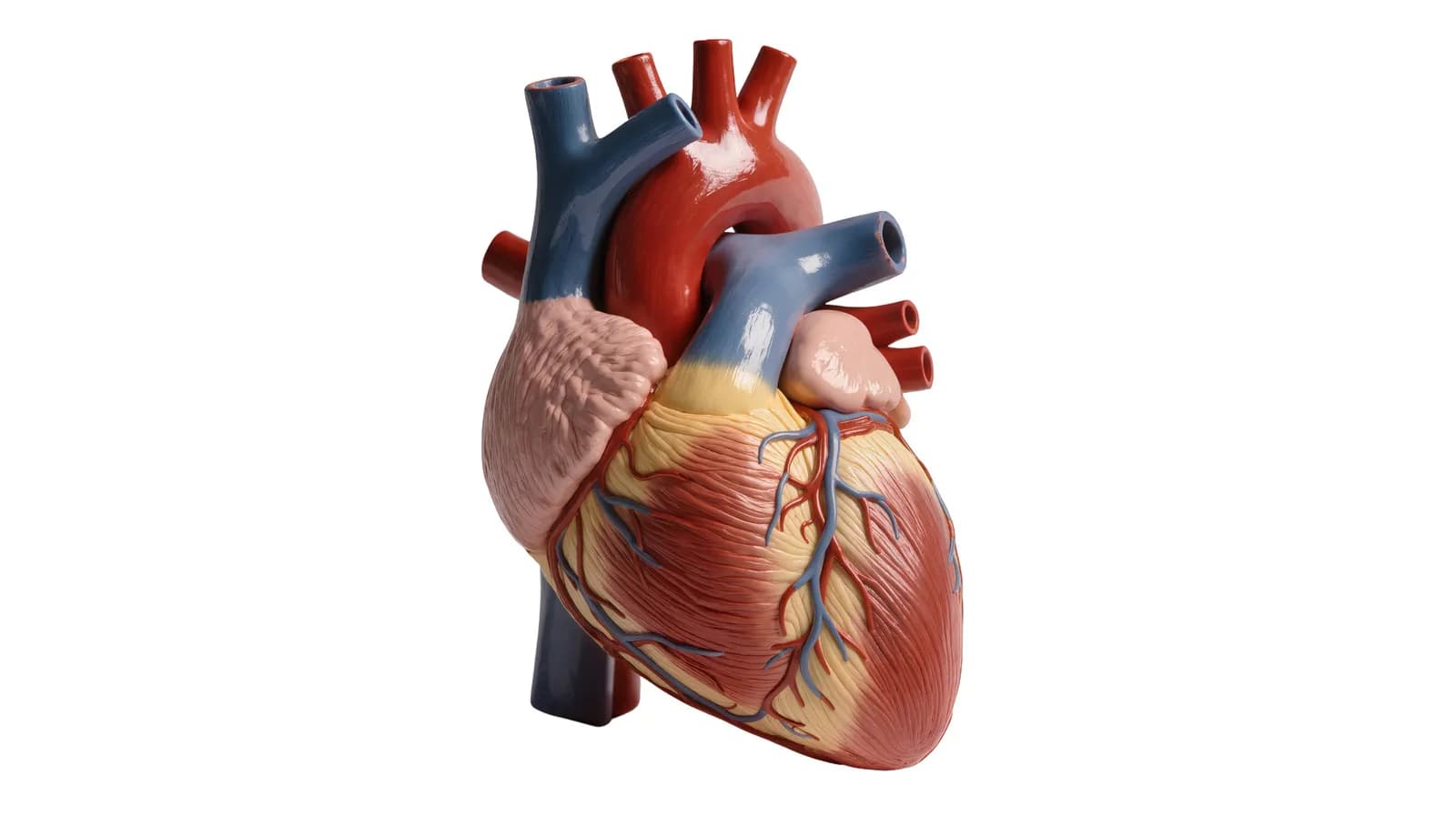
Engineering for Growth in Pediatric Medicine
For decades, one of the most disheartening realities in pediatric cardiovascular surgery has been the mechanical limitation of replacement heart valves. When children are born with congenital heart defects that necessitate valve replacements, they face a grueling medical trajectory. Because traditional artificial valves are rigid and static structures, they cannot expand organically as a child's body grows. This means that a successful, life-saving implantation in infancy inevitably becomes obsolete within a few years, forcing young patients to undergo repeated, high-risk open-heart surgeries simply to keep pace with their physical development.
The recent approval by the U.S. Food and Drug Administration (FDA) of a novel growing artificial heart valve represents a profound paradigm shift in how we approach bio-engineering for pediatric populations. By designing a device capable of expanding naturally alongside the patient, medical engineers have directly addressed a fundamental constraint of medical hardware design: the challenge of engineering solutions for biological systems that are in a constant state of flux. This milestone highlights the intersection of advanced biomaterials science, biomechanical modeling, and clinical persistence, setting a new benchmark for how we build hardware designed to live inside the human body.
The Core Innovation: Biomaterials and Mechanical Adaptation
At the heart of this technological leap is a sophisticated approach to biomaterials and structural mechanics. Creating a device that can withstand the rigorous, non-stop mechanical stress of pumping blood while simultaneously retaining the capacity to stretch and expand is a monumental engineering feat. Traditional valves rely on rigid frames made of durable polymers or metals like stainless steel and titanium, chosen specifically for their unchanging dimensions under pressure. Shifting away from this paradigm required rethinking how structural integrity and elasticity can coexist in a high-load environment.
While exact proprietary specifications vary, the underlying architecture typically relies on advanced biocompatible polymers and clever geometric scaffolding that can dilate over time. As the child grows, the mechanical forces exerted by the surrounding cardiovascular tissue gently prompt the valve's structure to expand. This eliminates the catastrophic mismatch in scale that previously occurred between the growing heart and the static implant. Engineers must rigorously test these materials for fatigue resistance, ensuring that the expansion mechanism does not compromise the valve's sealing capabilities, hemodynamic efficiency, or long-term durability against calcification and wear.
Translational Research and Regulatory Rigor
Bringing a continuously adapting medical device from concept to clinical reality requires navigating an exceptionally complex regulatory and testing landscape. Medical hardware intended for children faces some of the most stringent oversight in the industry due to the delicate nature of pediatric physiology and the ethical imperatives surrounding pediatric clinical trials. Researchers must prove through extensive bench testing, computer simulations, and preclinical models that the device will perform reliably under millions of cardiac cycles without failure.
Furthermore, the engineering teams behind such innovations must demonstrate that the expansion process is predictable and controlled. Uncontrolled stretching could lead to structural leaks, valve regurgitation, or tissue damage. By combining advanced finite element analysis (FEA) with rigorous animal and early-stage human clinical evaluations, the developers were able to map out how the physical forces of a growing heart interact with the valve matrix. This rigorous validation process ensures that the device not only grows, but maintains optimal fluid dynamics throughout every phase of the patient's physical development.
Why It Matters: Transforming Patient Outcomes
The clinical impact of a growing artificial heart valve extends far beyond the technical brilliance of the hardware; it fundamentally transforms the lived experience of pediatric patients and their families. Repeated open-heart surgeries carry cumulative physical risks, including scar tissue buildup, prolonged recovery times, psychological trauma, and significant healthcare costs. By mitigating the necessity for routine replacement operations, this technology drastically reduces the lifetime procedural burden on children with congenital heart disease.
From a broader systemic perspective, this advancement signals a mature evolution in biomedical engineering toward personalized, patient-centric design. Rather than forcing the human body to adapt to the static constraints of manufactured technology, engineers are building systems that harmonize with biological processes. This philosophy of adaptive hardware opens up exciting possibilities for other fields of medical device design, inspiring researchers to rethink how implants in orthopedics, neurology, and vascular surgery might one day accommodate human growth and healing in real-time.
Broader Industry Implications for Medical Hardware
The successful commercialization and regulatory clearance of a dynamic pediatric valve will undoubtedly ripple across the medical technology sector. Hardware manufacturers and venture capitalists alike are taking note of the immense value in solving long-standing clinical bottlenecks through advanced materials science. As computational modeling tools become more sophisticated, the design cycle for complex, multi-state biomaterials is accelerating, lowering the barrier to entry for tackling other historically underserved medical niches.
Moreover, this development underscores the growing importance of cross-disciplinary collaboration between mechanical engineers, materials scientists, software modelers, and pediatric cardiologists. Designing for the human body requires a deep fluency in both biological realities and hard engineering constraints. As more startups and legacy medical device companies invest in adaptive technologies, we can expect a wave of innovation focused on smart, responsive implants that interact dynamically with living tissue rather than simply sitting inertly inside it.
Looking ahead, the industry will watch closely as this new valve enters wider clinical adoption. Long-term post-market surveillance data will be crucial in validating how the technology performs over a decade or more of a child's development. These real-world datasets will feed back into the engineering pipelines, guiding the iteration of even more resilient, responsive designs. Ultimately, this milestone proves that the future of medical hardware lies in elasticity, adaptability, and a deeper synthesis of engineering precision with biological life.
Closing Thoughts on Adaptive Engineering
The approval of a pediatric heart valve that grows with its wearer is a triumph of modern engineering and a testament to the power of biomaterials innovation. By solving a complex mechanical contradiction—how to build a rigid pump component that still expands—developers have spared countless children from the trauma of repeated surgeries. As this technology inspires further breakthroughs across the medical device landscape, it reinforces a core tenet for software and hardware developers alike: the best systems are those that gracefully adapt to the evolving environments in which they operate.
Source: engadget.com