
Breathing New Life Into Legacy Hardware: Transforming Old Laptops Into Smart Home Hubs

The E-Waste Dilemma and the Potential of Legacy Hardware
In an era dominated by rapid hardware iteration cycles, millions of functional laptops and netbooks find themselves relegated to dusty drawers or sent prematurely to recycling facilities. While these older machines may struggle with modern web browsers bloated with heavy JavaScript frameworks, their underlying processing capabilities remain more than adequate for lightweight, headless background tasks. For software engineers and tech enthusiasts alike, this creates an appealing intersection between sustainability and practical utility.
Rather than letting aging silicon go to waste, developers can leverage these legacy devices to run local automation environments. Operating system runtimes designed for constrained environments—coupled with containerized orchestration tools—allow an outdated notebook to act as a resilient, always-on server without requiring significant capital investment in dedicated single-board computers.
Breaking Down Silos: The Interoperability Challenge
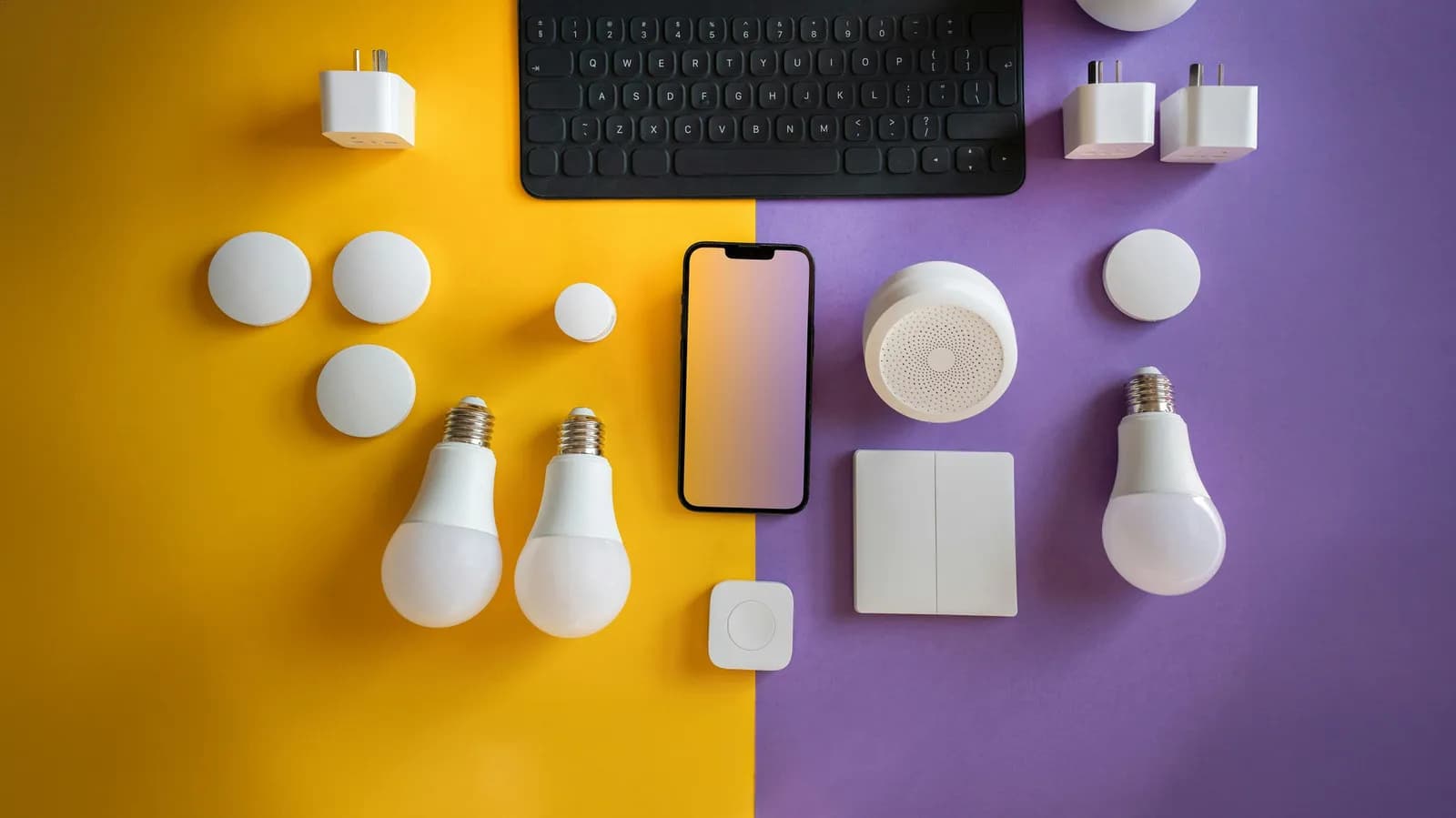
The modern consumer smart home ecosystem is notoriously fragmented. Major manufacturers often push proprietary communication protocols and cloud-dependent APIs, creating functional silos that actively resist local integration. A smart bulb from one vendor, a thermostat from another, and a sensor suite from a third frequently require separate mobile applications and internet round-trips just to execute simple conditional logic.
This reliance on external cloud infrastructure introduces significant latency, privacy concerns, and vulnerability to internet outages. Local automation hubs bridge this gap by acting as a universal translator. By pulling disparate devices onto a unified local network layer, they enable seamless communication between competing ecosystems, ensuring that commands execute instantly and remain entirely within the perimeter of the local area network.
Leveraging Lightweight Operating Systems and Containers
To successfully repurpose an old netbook or laptop as a reliable server, standard consumer operating systems are rarely the optimal choice. Graphical user interfaces and background telemetry utilities consume scarce RAM and CPU cycles that are better allocated to running automation engines and broker daemons. Instead, deploying a minimal Linux distribution provides a stable, highly configurable foundation.
Furthermore, utilizing containerization platforms allows developers to cleanly isolate different automation services. If a specific home assistant integration or database instance experiences a memory leak or crashes, it can be restarted independently without destabilizing the host system. This modular approach mirrors modern cloud-native architecture principles, scaled down to run on a physical machine tucked away in a utility closet or entertainment center.
Why Local-First Architecture Matters for Home Automation
Adopting a local-first philosophy for home automation offers profound technical advantages over cloud-dependent alternatives. When smart home logic resides on a physical machine sitting in your home, the system functions seamlessly even during internet service interruptions. Local light switches, motion sensors, and climate controllers continue to communicate without interruption.
Privacy is another critical driver for local processing. Consumer smart devices often stream telemetry, usage patterns, and sensitive environment data to remote vendor servers. By routing device communication through an on-premise hub, developers retain strict control over their data footprint, preventing unnecessary telemetry leakage and keeping internal network traffic entirely private.
Developer Impact: Building and Testing in a Real Environment
For software developers, setting up an old laptop as a home server provides an invaluable sandbox for experimenting with IoT protocols, MQTT message brokers, and infrastructure-as-code principles. Writing custom automation scripts, setting up webhook triggers, and configuring secure reverse proxies on real hardware builds practical systems administration competence.
Additionally, having a dedicated physical testing ground allows developers to trial complex state machines and continuous integration workflows for their own smart home projects. Debugging issues directly against physical hardware—such as flaky Wi-Fi modules, battery degradation states, or unexpected power-loss behavior—offers insights that virtualized test environments simply cannot replicate.
Overcoming Hardware Quirks and Reliability Hurdles
Transforming a consumer laptop into a dependable server is not without its operational challenges. Legacy hardware often comes with degraded battery chemistry that can pose safety risks if left plugged in continuously. Removing the battery entirely—where hardware design permits—and relying solely on AC power is a common best practice for preventing swelling and thermal runaway.
Another hurdle is power management and BIOS configuration. Most laptops are engineered to sleep or hibernate when lids are closed or power states fluctuate. Ensuring that the machine is configured to ignore lid closures, automatically reboot after an AC power failure, and maintain stable network connectivity over Wi-Fi or Ethernet is essential for achieving true 'set-and-forget' server reliability.
Closing Thoughts on Sustainable Tech Practices
Repurposing aging laptops into smart home hubs brilliantly demonstrates how technical creativity can counter planned obsolescence. By shifting compute workloads from the cloud to local, recovered hardware, developers reduce electronic waste while gaining absolute control over their home networks. It is a rewarding project that marries environmental consciousness with practical engineering mastery.
Source: engadget.com