
Decoding Red Sea 'Super Corals': Can Marine Biology and Tech Save Reefs?

The Enigma of Thermal Resistance
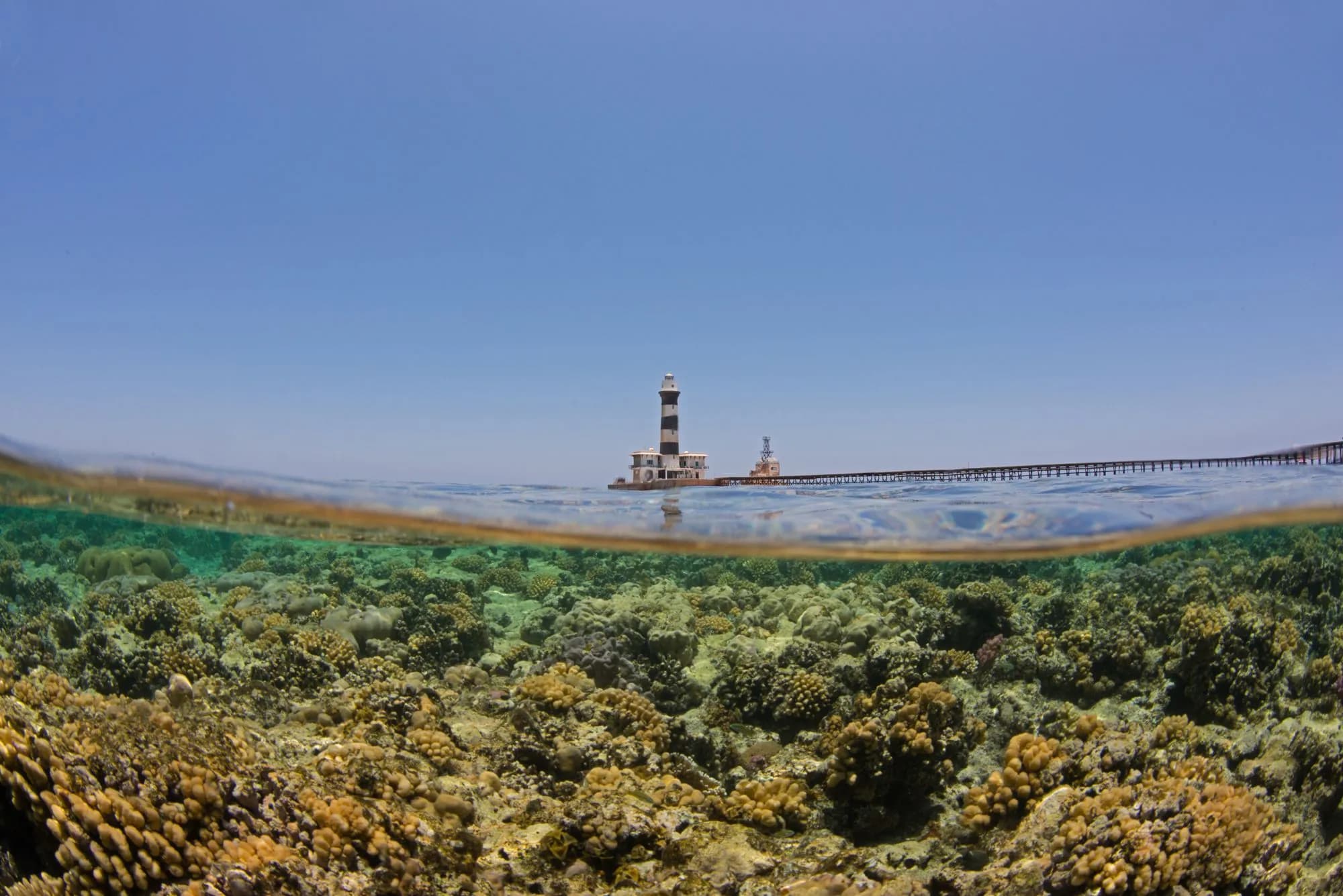
For years, marine biologists have looked to the northern Red Sea with a mixture of wonder and cautious optimism. While coral reefs across the globe routinely succumb to mass bleaching events driven by rising ocean temperatures, these particular ecosystems have demonstrated an uncanny immunity to thermal stress. As climate change accelerates and ocean temperatures hit record highs year after year, understanding the biological mechanisms behind this resilience has become one of the most pressing quests in environmental science.
This phenomenon has sparked intense investigation into what makes these organisms uniquely equipped to handle extreme heat. Scientists are racing against the clock to map the genetic, symbiotic, and physiological traits that allow these corals to thrive in conditions that are fatal elsewhere. Yet, as recent studies indicate, even these seemingly invincible organisms are beginning to show early signs of stress, raising urgent questions about the ultimate limits of biological adaptation in a rapidly warming world.
The Physiological Mystery of Red Sea Ecosystems
At the heart of the mystery is a complex interplay between the coral host, its microscopic algal symbionts, and the unique hydrographic history of the Red Sea. During the last ice age, the ancestors of these corals had to survive severe environmental bottlenecks, which many researchers believe weeded out heat-susceptible strains and forged a remarkably robust population. Furthermore, a natural thermal gradient exists within the basin, meaning corals in the south are accustomed to warmer waters and may pass beneficial traits northward.
Despite these evolutionary advantages, researchers are still divided on the exact drivers of this resilience. Some point to the specific genetic makeup of the algae residing within the coral tissue, while others emphasize epigenetic mechanisms or the unique chemical composition of the surrounding water. Pinpointing the precise variable is critical because it dictates whether these traits can be artificially induced or selectively bred in vulnerable reef systems around the globe.
When 'Super Corals' Begin to Feel the Squeeze
Recent observational data, however, suggests that the protective buffer of the northern Red Sea may be reaching its limit. Unprecedented marine heatwaves are pushing water temperatures past thresholds that these organisms have not experienced in modern history. Observers have noted subtle indicators of stress—faint shifts in coloration and reduced metabolic efficiency—signaling that even these resilient strains are beginning to feel the heat.
This tipping point underscores a sobering reality for conservationists: thermal resilience is not absolute. While Red Sea corals possess a vastly superior margin of safety compared to their counterparts in the Great Barrier Reef or the Caribbean, they are not immune to the compounding effects of sustained global heating. If greenhouse gas emissions continue on their current trajectory, even the toughest marine ecosystems will eventually face environmental conditions that outpace their evolutionary adaptation rates.
The Intersection of Marine Biology and Advanced Technology
Studying and potentially preserving these ecosystems increasingly relies on sophisticated technological toolsets. Marine scientists are deploying high-resolution underwater sensors, machine learning models, and advanced genomic sequencing to monitor reef health in real time. By processing vast amounts of environmental and genetic data, researchers can track subtle physiological changes long before visible bleaching occurs, transforming reactive conservation into a predictive science.
Furthermore, computational biology plays a crucial role in analyzing the massive datasets generated by coral genome projects. Developers and data scientists work alongside marine biologists to build predictive simulations of ocean warming scenarios. These models help determine which specific colonies possess the highest chance of long-term survival, guiding targeted restoration efforts and informing global climate policies with hard empirical data.
Implications for Global Reef Restoration Strategies
The lessons learned from Red Sea corals extend far beyond regional conservation; they serve as a blueprint for global reef management. If researchers can successfully identify the genetic markers responsible for thermal tolerance, the strategy of 'assisted evolution' could become a primary tool in marine conservation. This involves selectively breeding or engineering resilient strains and outplanting them onto degraded reefs worldwide.
However, this approach comes with complex ecological and logistical challenges. Scaling up interventions to cover thousands of square miles of dying reefs requires immense financial investment and technological prowess. Moreover, introducing resilient species into foreign ecosystems demands rigorous risk assessment to prevent unintended disruptions to local marine food webs and microbial communities.
Broader Takeaways for Climate Resilience
The story of Egypt's resilient reefs mirrors a broader theme in modern technology and environmental science: systemic problems require multifaceted, tech-driven solutions, yet technology alone cannot outrun fundamental physical limits. Just as software systems require architectural redesign rather than mere patching when scaling beyond design capacity, global ecosystems require aggressive emission reductions alongside biological interventions.
Ultimately, the Red Sea corals offer both a glimmer of hope and a stern warning. They prove that natural adaptation is possible and capable of producing remarkable resilience, but they also demonstrate that the clock is ticking. For developers, scientists, and policymakers alike, the challenge lies in leveraging every available computational and biological tool to buy time for the planet while addressing the root causes of climate change.
Source: wired.com