
Decoding the Dashboard: Android Automotive vs. Google Built-In

Introduction to Automotive Software Architecture
The modern automobile is increasingly defined by lines of code rather than raw horsepower. As dashboards transform into vast digital canvases, technology giants have entered the automotive sector to supply the underlying software frameworks. Among the most prominent players is Google, whose ecosystem has expanded deep into vehicle cockpits. However, the terminology surrounding these automotive platforms often creates confusion among consumers and developers alike.
Disentangling terms like Android Automotive and Google Built-In is essential for understanding how modern infotainment systems operate. While they share a common lineage rooted in the world's most popular mobile operating system, their architectural scope, licensing implications, and capabilities diverge significantly. Examining these differences reveals how software vendors and automakers negotiate control over the driver's digital real estate.
Understanding Android Automotive OS (AAOS)
At its foundational level, Android Automotive OS, commonly abbreviated as AAOS, is an open-source, deeply customizable operating system designed specifically for vehicle hardware. Unlike Android Auto, which merely projects a smartphone interface onto a car's screen, AAOS runs natively on the vehicle's embedded computers. It manages critical subsystems, handles the user interface, and controls audio routing and climate systems.
Because AAOS is open-source, automotive manufacturers have the freedom to take the core codebase and build entirely custom user interfaces on top of it. Brands can strip out default services, alter the visual aesthetic, and integrate proprietary vehicle telemetry. This flexibility allows traditional car companies to maintain their brand identity while leveraging a robust, pre-built operating system rather than engineering a platform from scratch.
The Role and Scope of Google Built-In
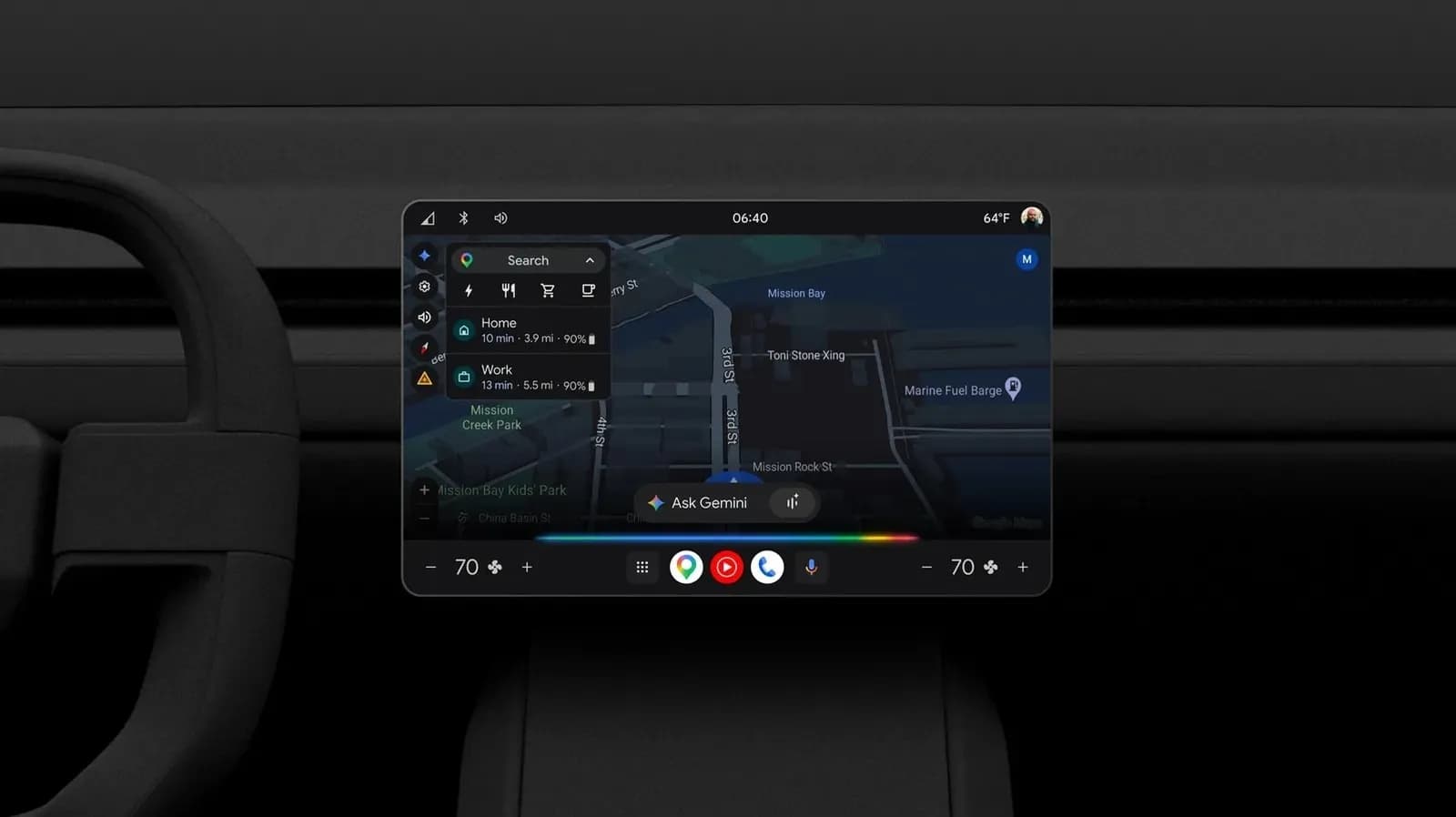
Google Built-In, on the other hand, is not an operating system at all, but rather a specific suite of software services and applications. When a vehicle features Google Built-In, it runs on Android Automotive OS, but it also includes pre-installed, proprietary Google applications such as Google Maps, the Google Play Store, and Google Assistant. These services are deeply integrated into the vehicle's native hardware and software stack.
Opting for Google Built-In means automakers bypass the challenge of building a proprietary navigation system or voice assistant, instead relying on Google's cloud infrastructure and continuous update cycle. However, incorporating these services requires manufacturers to license the Google Automotive Services (GAS) package, which comes with strict compliance guidelines, design standards, and data-sharing agreements designed to maintain a consistent user experience.
Hardware and System-Level Integration
The technical distinction between the base operating system and the bundled services becomes clear when examining vehicle integration. AAOS acts as the master controller for the entire cockpit, capable of interfacing directly with the vehicle's CAN bus, managing instrument clusters, and handling advanced driver-assistance systems. It talks directly to the silicon powering the infotainment unit.
Google Built-In leverages this deep system integration to provide contextual awareness. For instance, because the Google Assistant has hooks into the AAOS platform via Google Built-In, it can adjust cabin temperature, open windows, or check tire pressure directly through voice commands. Without these native hooks, a voice assistant would remain siloed as a mere media player rather than a true vehicle controller.
Developer Ecosystem and Application Portability
For software developers, the distinction between AAOS and Google Built-In dictates how applications are built, tested, and distributed. Developing for AAOS means writing apps that must account for varying screen sizes, input methods like rotary dials or touchscreens, and safety restrictions designed to minimize driver distraction. Apps must adhere to strict guidelines regarding when and how they present information.
When an application targets a vehicle equipped with Google Built-In, developers gain access to the Google Play Store tailored for cars, along with specialized APIs for location services and media playback. This ecosystem allows developers to port existing mobile or tablet apps to the car with relative ease, provided they adapt the user interface to automotive-specific design patterns and safety constraints.
Industry Implications and Automaker Strategy
The choice between adopting raw Android Automotive OS or opting for full Google Built-In represents a strategic balancing act for automotive executives. Car manufacturers are acutely aware that whoever controls the dashboard controls the customer relationship, the data generated during trips, and potential digital subscription revenues. Handing the keys entirely to a tech giant carries long-term strategic risks.
Consequently, some automotive brands choose to utilize the open-source AAOS platform while developing their own proprietary app stores, navigation, and voice assistants, effectively locking Google out of the core service layer. Other manufacturers embrace Google Built-In to satisfy consumer demand for familiar, smartphone-like tech integration without shouldering the massive software engineering costs required to build a modern infotainment ecosystem independently.
Closing Thoughts
As vehicles evolve into software-defined platforms, the boundary lines between operating systems, service suites, and hardware will continue to blur. Android Automotive OS provides the structural foundation required to run a modern vehicle's digital cockpit, while Google Built-In layers on the familiar ecosystem of apps and services that users expect from their personal devices. For developers and industry watchers alike, recognizing this division clarifies how the future of in-car technology is being engineered.
Source: engadget.com