
Deconstructing Apple's Pricing: Why the Mac Mini Outpaces MacBooks in Value

Introduction
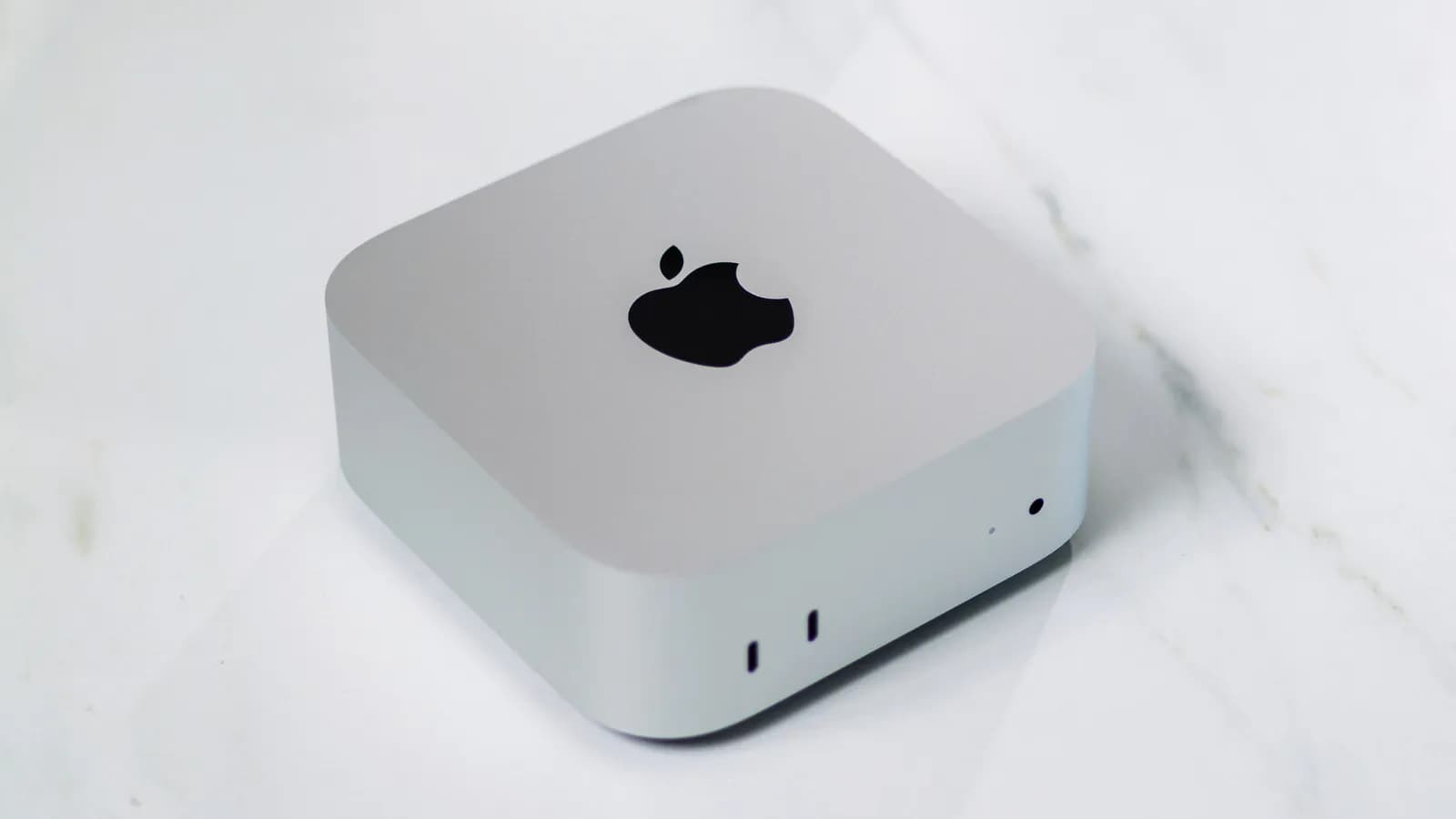
When engineering teams and developers look for desktop hardware that strikes a balance between raw compute performance and cost-effectiveness, Apple's Mac mini frequently emerges as a compelling option. For years, observers have noted a stark contrast in pricing when placing the compact desktop side-by-side with Apple's portable lineup, the MacBook Air and MacBook Pro. While both product lines leverage the same underlying Apple Silicon system-on-a-chip architecture, their price tags tell vastly different stories.
Understanding this economic divide requires looking past the glossy marketing pages and examining the physical realities of modern hardware engineering. From integrated displays and battery management systems to the thermal demands of a chassis, the bill of materials for a laptop carries hidden costs that do not apply to a headless desktop. For developers, engineers, and power users trying to maximize their hardware budget, unpacking these differences offers a fascinating look into supply chain economics and consumer electronics pricing strategies.
The Heavy Toll of Portability
The most immediate and substantial cost driver separating a MacBook from a Mac mini is the physical enclosure and the engineering required to make it mobile. Laptops demand extreme miniaturization, requiring custom-molded aluminum unibody cases that are meticulously CNC-machined to squeeze powerful components into a fraction of an inch. Every millimeter saved in thickness exponentially increases the complexity and cost of the manufacturing process.
Furthermore, a laptop must bundle components that a desktop treats as external peripherals. The display assembly alone represents a major fraction of a MacBook's production cost. Delivering a high-resolution, wide-color-gamut, high-refresh-rate retina panel with precise factory calibration is an expensive endeavor. When you purchase a Mac mini, you are supplying your own monitor, keyboard, and mouse, allowing Apple to strip out those expensive peripherals from the base device entirely.
Thermal Design and Sustained Performance
Cooling is another critical battleground where desktop and laptop architectures diverge. In a MacBook Air, passive cooling or extremely compact active cooling fans must contend with severe thermal throttling constraints. Keeping a high-performance chip cool within a paper-thin profile requires sophisticated heat pipes and tightly optimized airflow designs that add to the production overhead.
The Mac mini, while compact, enjoys the luxury of a larger volume of interior space and a more robust thermal architecture. Designing a cooling solution for a small desktop enclosure is significantly more straightforward and less expensive than engineering micro-blowers or specialized thermal dissipation sheets that fit inside a wedge-shaped aluminum shell. This relaxed thermal constraint means manufacturing tolerances can be less unforgiving, lowering yield loss and overall production expenses.
Power Management and Battery Engineering
Power delivery systems represent another massive divergence in component costs. A MacBook requires a sophisticated internal battery pack capable of safely delivering high current levels under peak loads while maintaining stringent safety certifications, drop-resistance, and long-term chemical durability. Integrating a multi-cell lithium-ion battery requires complex management circuits, rigorous quality control, and expensive safety testing.
Conversely, the Mac mini relies on a traditional power supply connected to a standard wall outlet. Converting AC power to DC internally is a solved, highly commoditized engineering problem that avoids the intensive regulatory compliance, physical protection frameworks, and supply chain vulnerabilities associated with consumer-grade battery packs. By eliminating the battery entirely, Apple removes both a costly component and a common point of eventual hardware failure.
Market Positioning and Developer Economics
Beyond the raw bill of materials, pricing strategy plays a vital role in how Apple segments its ecosystem. The Mac mini has historically served as an entry-level gateway for switchers coming from Windows, budget-conscious creators, and developers building headless CI/CD runner nodes or local compilation servers. Keeping the barrier to entry low is crucial for capturing market share among technical professionals who prefer bringing their own ergonomic peripherals.
For developers, the price-to-performance ratio of the Mac mini is particularly striking. Because it shares the same core processor architecture as the MacBook Pro, it delivers identical compilation speeds and container orchestration capabilities without the laptop markup. Software engineers often find that they can invest the price difference into upgraded RAM or storage configurations, yielding a more potent local development workstation for the same total capital expenditure.
The Long-Term Value Proposition
As Apple continues to iterate on its custom silicon strategy, the gap between desktop and laptop hardware remains starkly defined by these physical constraints. While MacBooks offer unmatched mobility and all-in-one convenience, the Mac mini proves that stripping away the display, battery, and ultra-thin chassis reveals a remarkably efficient and cost-effective computing engine.
For technical buyers, this dynamic highlights the importance of matching hardware form factors to actual workflow requirements. If a machine is destined to sit permanently on a desk under a monitor, paying the portable tax is unnecessary. By understanding the mechanical and economic forces driving these price tags, developers can make more informed infrastructure and workstation investments that optimize both performance and cost.
Closing Takeaway
The price difference between a Mac mini and a MacBook is not an arbitrary marketing trick; it is a direct reflection of the physical engineering required to achieve mobility. By bypassing the immense costs of displays, batteries, and ultra-dense thermal management, Apple is able to offer a remarkably powerful desktop at a fraction of the cost, making it an ideal choice for developers and power users who value raw performance over portability.
Source: engadget.com