
Designing a Smartphone That Treats the Great Outdoors As the Ultimate App

Reimagining the Relationship Between Youth and Technology
The modern digital landscape presents a profound paradox for parents and software creators alike. Mobile operating systems, social networks, and casual games have been meticulously engineered using advanced behavioral psychology to maximize user engagement and retention. While these systems have driven unprecedented advances in connectivity and digital literacy, they have simultaneously fostered an environment of compulsive screen time, particularly among younger generations. The prevailing norm of hyper-connected childhoods has sparked intense debate regarding the long-term cognitive, social, and physical impacts of constant digital stimulation.
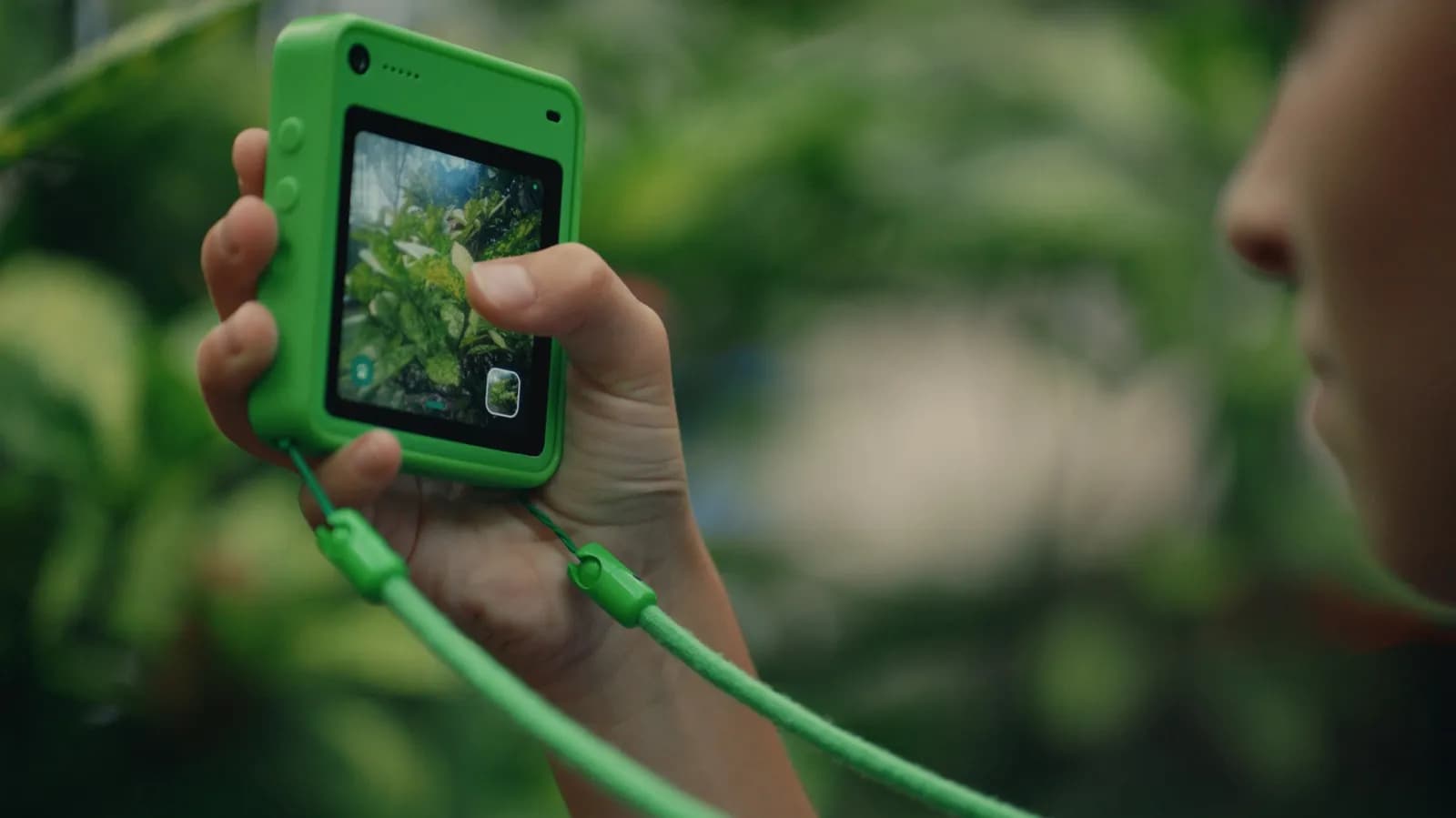
Enter Freckle, a hardware and software initiative taking a radically counter-intuitive approach to consumer electronics. Instead of striving for infinite scroll and maximum daily active users, this specialized smartphone is engineered with a built-in expiration date for indoor habits. The underlying philosophy posits that hardware should serve as a bridge to the physical world rather than an inescapable digital vacuum. For developers and tech strategists watching the space, this project represents a fascinating experiment in digital minimalism applied to consumer device design, questioning whether software can be programmed to gracefully bow out of a user's attention economy.
Hardware-Level Constraints and Digital Minimalism
Building a device that discourages its own usage requires a complete inversion of traditional product management principles. Standard consumer smartphones measure success in metrics like screen-on time, push notification velocity, and feature bloat. By contrast, a digital wellness device must enforce strict boundaries through both its operating system architecture and physical design choices. By stripping away the hypnotic feedback loops that characterize modern mobile apps, developers can create an ecosystem that supports safety and essential communication without fostering addiction.
This approach relies heavily on localized software design rather than cloud-dependent behavioral hooks. Features are typically constrained to what is strictly necessary for parental peace of mind—such as reliable location sharing and voice connectivity—while explicitly omitting the endless entertainment vectors found in mainstream app stores. For engineers accustomed to optimizing for engagement, designing an interface that encourages users to put the phone in their pocket and forget about it requires a paradigm shift. The success of such a device hinges on its ability to be indispensable when needed for safety, yet entirely forgettable during hours of outdoor play.
The Developer's Dilemma: Designing Against Engagement
For software engineers and product designers, the Freckle concept raises compelling ethical and architectural questions about the tools we build. The tech industry has long operated under the assumption that more engagement is always better. Metrics like retention rates, session lengths, and daily active users dominate corporate dashboards and dictate funding rounds. When a hardware startup actively works to minimize those exact metrics, it challenges the foundational business models of the broader app economy.
Developing for a digital wellness device means rethinking UI and UX patterns from the ground up. Notifications must be asynchronous, calm, and purposeful, avoiding the urgent red badges and audio cues designed to trigger dopamine spikes. Developers must ask themselves: what does a successful user session look like when the ultimate goal is for the user to close the app and go ride a bicycle? This shift encourages a return to utility-first software development, where tools serve human intent rather than hijacking it.
Balancing Parental Oversight With Child Autonomy
A central challenge in creating technology for children is navigating the delicate boundary between safety and independence. Modern parents face legitimate anxieties regarding child safety, leading to the early adoption of full-featured smartphones equipped with granular tracking and instant communication. However, these same devices often tether children to a digital tether that inhibits genuine exploration, risk-assessment, and unstructured play.
A purpose-built outdoor smartphone attempts to thread this needle by providing parents with the reassurance of baseline connectivity while granting children the psychological space to be unsupervised. By eliminating addictive distractions, the device removes the temptation for kids to stare at a screen while sitting on a park bench, effectively forcing them to engage with their immediate environment and peers. This technical architecture supports a philosophy of safe autonomy, proving that digital tools can facilitate real-world freedom rather than replacing it with virtual simulations.
Market Reception and the Growing Digital Wellness Movement
The emergence of hardware initiatives focused on digital detox reflects a broader cultural fatigue with hyper-connectivity. Consumers, educators, and pediatric health advocates are increasingly vocal about the unintended consequences of ubiquitous screens. While niche wellness phones still represent a small fraction of the broader consumer electronics market, they tap into a powerful latent demand among parents searching for viable alternatives to mainstream tech dominance.
As regulatory scrutiny on youth data privacy and algorithmic engagement intensifies globally, the tech industry is being forced to reckon with its impact on younger users. Products that champion digital restraint may soon transition from a boutique curiosity to a vital market segment. For software companies, understanding this shift is crucial for anticipating future regulatory frameworks and changing consumer preferences that favor transparency, mental well-being, and digital boundaries.
Looking Ahead: The Future of Intentional Computing
The broader implications of the Freckle initiative extend far beyond childhood development, touching on the future of how humanity interacts with computing machinery. As augmented reality, ambient computing, and artificial intelligence loom large, the potential for digital distraction is only accelerating. The concepts pioneered by digital wellness hardware offer a glimpse into a more intentional relationship with technology—one where devices act as quiet companions rather than demanding masters.
Ultimately, this movement challenges technologists to build systems that respect human attention as a finite and precious resource. Whether through specialized children's hardware or operating system-level controls for adults, the push for mindful computing is gaining momentum. As developers continue to innovate, the most successful products of tomorrow may well be those that give us our time—and our physical world—back.
Source: engadget.com