
Divergent Visions: Comparing Dual-Screen Ambitions and the Future of Foldable Phones

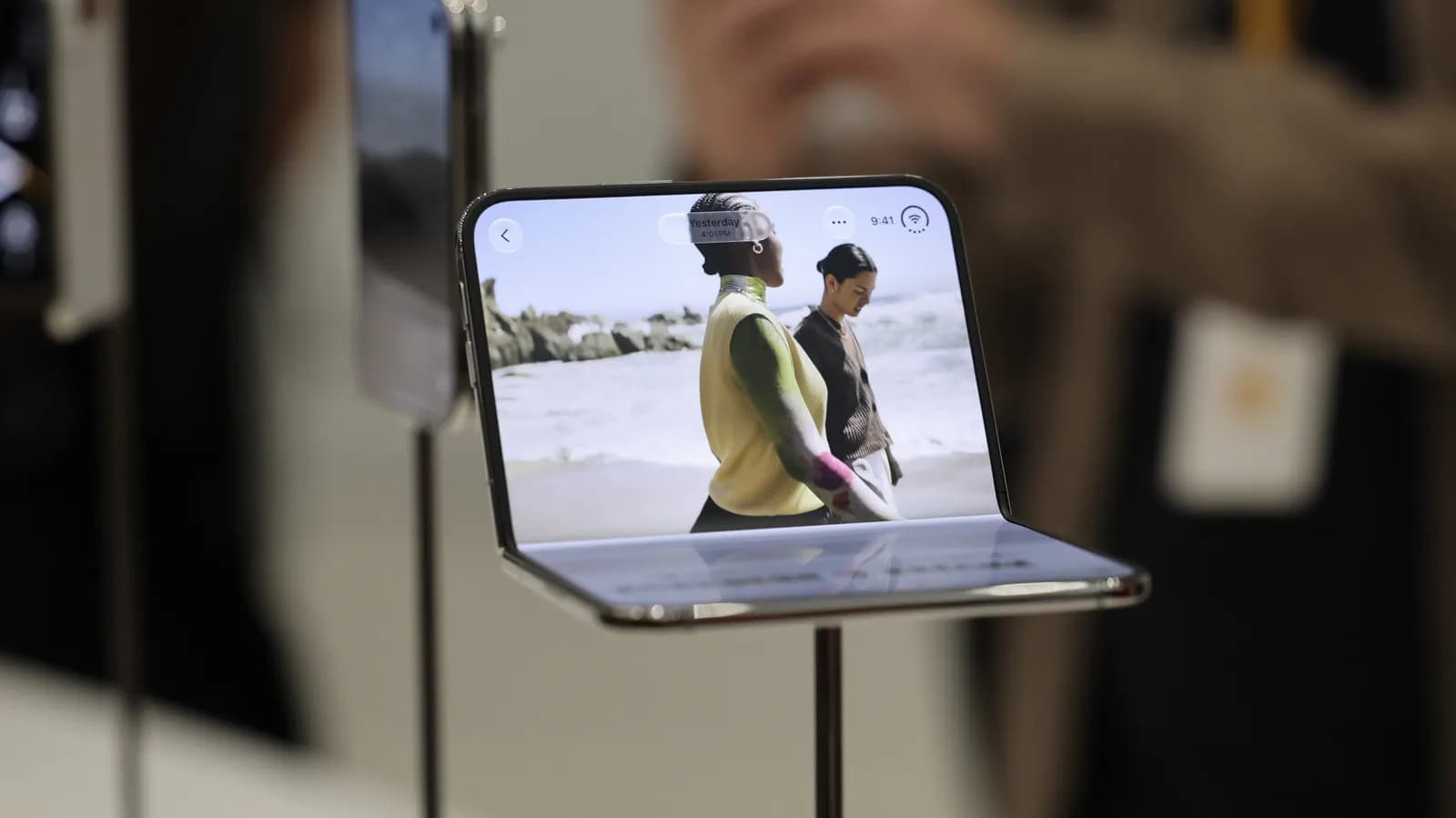
For nearly two decades, the dominant smartphone form factor has remained essentially unchanged: a rectangular slab of glass, aluminum, and silicon optimized for touch interactions. However, as mobile hardware reached peak maturity and consumers demanded greater productivity from pocket-sized hardware, manufacturers began exploring unconventional designs. Among the most intriguing chapters in this evolution is the concept of the multi-screen or folding device. While the moniker “Duo” evokes images of tandem productivity, the engineering philosophies behind past experiments like the Microsoft Surface Duo and speculative concepts like an Apple “iPhone Duo” showcase fundamentally different answers to the question of what mobile multitasking ought to look like.
The Surface Duo Experiment: Dual Screens as a Productivity Tool
When Microsoft unveiled the original Surface Duo, it deliberately charted a course distinct from mainstream foldable devices. Rather than risking the fragility, creases, and optical compromises associated with first-generation flexible plastic OLED panels, Microsoft opted for two distinct, ultra-thin Gorilla Glass screens joined by an intricate 360-degree geared hinge. The objective was not merely to create an expanding phone, but to build an ultra-portable digital notebook explicitly designed for knowledge workers and enterprise multitasking.
By treating each display as a distinct operational canvas, the Surface Duo embraced a philosophy borrowed from desktop workstations equipped with dual monitors. Instead of forcing one app to stretch awkwardly across an ultra-wide aspect ratio, Microsoft envisioned users running two independent apps side-by-side—comparing documents, reading an email while editing a calendar invite, or referencing notes during a video conference. Yet despite its remarkably slender hardware and mechanical sophistication, the device struggled to gain mass traction, largely constrained by launch-era software bugs, mediocre camera performance, and an operating system ecosystem that was not entirely primed for dual-pane workflows.
The Flexible Alternative: Seamless Glass Versus Mechanical Division
While Microsoft staked its claim on the physical separation of displays, the rest of the industry moved aggressively toward seamless flexible displays. Manufacturers such as Samsung, Google, and OnePlus invested heavily in flexible polymer and ultra-thin glass (UTG) technologies to eliminate the physical bezel dividing the viewing area. This split in architecture highlights a core philosophical divide in industrial design: is a secondary screen meant to provide two distinct workspaces, or should it expand the total canvas into a miniature tablet?
The continuous foldable approach ultimately captured the consumer imagination because of its versatility. When viewing full-screen media, editing high-resolution photos, or navigating complex maps, a physical seam down the center of an interface creates a jarring visual interruption. Conversely, continuous folding displays introduced their own formidable list of engineering challenges, including visible center creases, dust ingress through hinge gaps, and questions regarding long-term mechanical durability under thousands of fold cycles.
Apple’s Measured Approach to Foldable Form Factors
Amid the flurry of foldable experimentation across the Android landscape, Apple has maintained an exceptionally patient posture. While patent filings over the years have confirmed that Cupertino has extensively investigated hinge mechanisms, stress-relieving display structures, and multi-display configurations, the company has historically refused to rush unproven form factors to market. The hypothetical notion of an “iPhone Duo” or foldable iPhone serves as a thought experiment on how Apple might reconcile its obsessive focus on hardware polish with the realities of folding displays.
Industry observers widely believe that Apple will not enter the foldable category until it can resolve the primary compromises that continue to dog the segment: the visible screen crease, overall chassis thickness, and battery life penalties. Furthermore, Apple’s tightly integrated software ecosystem means that any hardware transition would require extensive coordination across iOS and iPadOS. Apple typically avoids releasing hardware that requires third-party developers to guess how their apps should behave; when Apple finally shifts a paradigm, it tends to deliver fully baked APIs and strict human interface guidelines alongside it.
Developer Challenges: Building for Split Screens Versus Adaptive Canvas
For software engineers and UI designers, the divergence between dual-screen and foldable devices introduces non-trivial architectural complexity. Building an application for a dual-screen device like the Surface Duo required handling distinct screen postures—spanned mode, dual-portrait, dual-landscape, and tent mode. Developers had to account for a permanent hardware masking area (the hinge gap) down the middle of the viewport, ensuring that interactive buttons, text fields, and critical UI elements were not obscured by the physical division.
In contrast, developing for a continuous foldable screen largely leverages responsive web design principles scaled to native mobile frameworks. Modern development kits encourage fluid layouts that dynamically adapt as the window size changes when the device is unfolded. However, continuous displays also introduce intermediate “laptop” postures, where the device sits half-folded on a flat surface. Developers must still architect their state management to cleanly split controls onto the bottom surface while rendering content on the top half, proving that the software demands of foldables extend far beyond simple screen resizing.
The Software Paradigm: Operating Systems Grappling with Posture
A multi-screen device is only as effective as the operating system orchestrating it. Android spent several versions incrementally adapting its window management systems, culminating in enhanced support for foldable devices and large screens through Android 12L and subsequent updates. These architectural changes allowed the OS to better handle activity embedding, split-screen multitasking, and seamless posture transitions without forcing full application reloads.
If Apple were to introduce a multi-screen or folding device, the software challenge would likely center on bridging the divide between iOS and iPadOS. An unfolded phone effectively reaches the display footprint of an iPad mini, raising questions about which operating paradigm it should inherit. Should it display the condensed single-task UI of an iPhone when closed, and immediately transition into the Stage Manager or multi-window multitasking environment of iPadOS when opened? Solving these software transitions smoothly—without stutters, layout reflow glitches, or jarring animation cuts—represents one of the most demanding engineering problems in modern client-side software.
Looking Ahead: The Ultimate Trajectory of Pocket Computing
The tale of two “Duos”—the real-world dual-screen device championed by Microsoft and the theoretical foldable concepts tracked by Apple watchers—underscores an ongoing transition in mobile personal computing. The traditional monolithic smartphone has reached a plateau where incremental performance leaps and marginal camera upgrades no longer drive compelling upgrade cycles. As a result, the form factor itself has become the primary frontier for genuine hardware innovation.
While physical dual-screen phones may have receded in favor of flexible OLED technology, the core productivity dream that inspired devices like the Surface Duo remains very much alive. As hinge technologies become more resilient, materials science minimizes display creases, and operating systems mature their multitasking primitives, the boundary between phones, tablets, and lightweight laptops will continue to blur. Whether through dual displays or flexible panels, the future of mobile productivity lies in hardware that can adapt its shape to the task at hand.
Source: engadget.com