
Electrifying Freight: The Severe Infrastructure Bottlenecks Facing Long-Haul Electric Trucks

The Electric Trucking Paradox
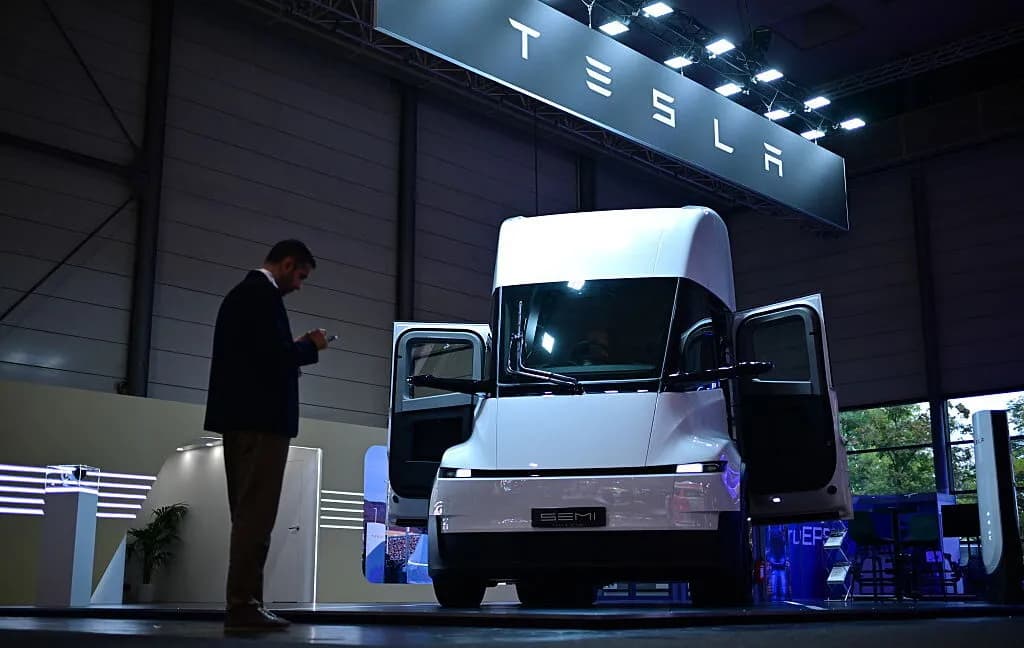
The arrival of long-range electric commercial vehicles marks a monumental engineering achievement for sustainable transportation. For years, the heavy-duty freight sector was considered one of the hardest segments to decarbonize due to the immense energy requirements of hauling heavy loads across vast distances. Yet, as modern battery chemistry and vehicle architecture begin to deliver vehicles capable of traveling hundreds of miles on a single charge, a stark reality is setting in. The bottleneck is no longer strictly about what can be built inside a manufacturing plant, but rather what can be plugged into the electrical grid outside of it.
This friction between advanced automotive engineering and sluggish infrastructure development creates a profound paradox for modern logistics. Fleets are eager to adopt zero-emission alternatives to meet corporate sustainability goals and reduce long-term operational expenditures. However, deploying multi-ton battery-electric trucks requires an ecosystem overhaul that far exceeds the complexity of swapping traditional diesel pumps for high-voltage charging plugs.
The Scale of Megawatt Charging Demands
To understand why the infrastructure lag is so severe, one must look closely at the sheer power requirements of Class 8 trucks. Unlike passenger electric vehicles that can charge overnight on standard residential connections or moderate commercial chargers, a heavy-duty semi-truck demands massive quantities of energy delivered in exceptionally short windows to maintain profitable uptime.
This necessitates the widespread deployment of megawatt-scale charging stations. Delivering this level of electrical current requires high-capacity transformers, specialized cooling systems for cables, and direct integration into regional high-voltage transmission lines. For fleet operators, installing these charging corridors at depots or along major freight routes is less like setting up a gas station and more like building a small localized power plant, involving years of permitting, engineering studies, and capital investment.
Grid Constraints and Regional Disparities
Even if capital is readily available, the electrical grid itself often acts as an immovable wall. Many industrial parks and logistics hubs are situated at the edges of current distribution grids, where local substations are already operating near peak capacity. Upgrading these utility networks is a monumental task that involves local governments, regional utility providers, and complex regulatory approval processes.
Furthermore, these infrastructure upgrades are distributed unevenly across geographic regions. While major logistics corridors in certain progressive states or nations might see pilot installations of heavy-duty chargers, cross-country freight routes frequently traverse rural areas where the electrical grid cannot support even a single megawatt-level charger without severe destabilization. This creates geographic islands where electric semis can operate efficiently, separated by vast charging deserts.
The Software and Fleet Management Complication
Beyond physical hardware and concrete, the transition to electric heavy transport introduces complex software and logistics orchestration challenges. Fleet managers can no longer rely on simplistic route-planning algorithms that merely optimize for distance and traffic. They must now factor in real-time grid pricing, charger availability, vehicle battery health, and dynamic power-sharing across multiple charging stalls at a single depot.
Software development in this space must evolve rapidly to provide predictive analytics that prevent peak-demand utility charges and minimize dwell times. If five heavy trucks plug into a depot simultaneously, the energy management system must intelligently throttle or sequence the charging loads to avoid triggering catastrophic utility penalties or tripping local substation breakers. This places a heavy burden on modern fleet management software stacks.
Economic Pressures and Total Cost of Ownership
For trucking companies operating on razor-thin margins, the total cost of ownership (TCO) dictates every purchasing decision. While electric trucks promise lower maintenance costs due to fewer moving parts and cheaper "fuel" costs compared to volatile diesel prices, the upfront capital expenditure for the vehicles and the necessary facility upgrades is staggering.
Without robust public charging corridors shared across multiple logistics operators, individual fleets are forced to shoulder the immense cost of private depot infrastructure. This financial barrier threatens to skew adoption in favor of massive enterprise logistics giants who can absorb the initial capital shock, leaving smaller independent operators behind in the transition to zero-emission freight.
Looking Ahead: Bridging the Gap
The journey toward a fully electrified freight network will not be solved by automotive innovation alone; it requires a coordinated alliance between vehicle manufacturers, utility providers, real estate developers, and government regulators. As more long-range electric trucks roll off production lines, the pressure on policymakers to streamline grid modernization and fast-track permits for charging infrastructure will intensify dramatically.
Ultimately, the success of the electric semi marks a pivotal test for modern technological infrastructure. Software developers, energy engineers, and logistics architects must collaborate to build the digital and physical scaffolding required to support a cleaner, electrified supply chain. Until those foundations are laid, the potential of zero-emission freight will remain tethered to the limits of the grid.
Source: arstechnica.com