
Fujifilm Bridges Analog Nostalgia and Mobile Workflows with Instax Pal 2

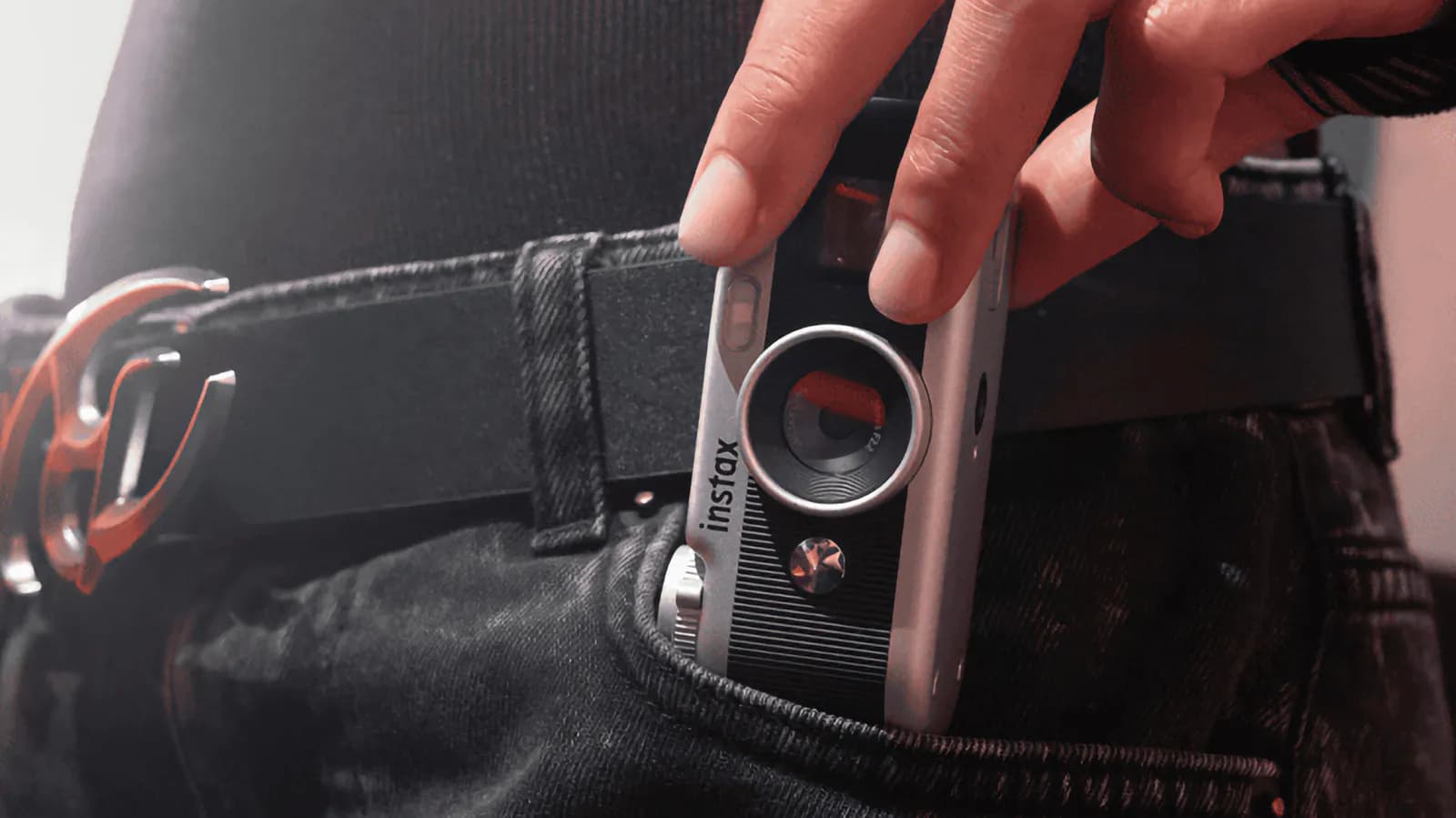
The Evolution of Pocket-Sized Point-and-Shoots
The consumer electronics market has experienced a fascinating pendulum swing over the last decade. As smartphone cameras have evolved into computational powerhouses capable of capturing hyper-detailed, low-noise photographs in almost any lighting condition, a parallel desire for imperfect, tactile, and nostalgic photography has surged. Devices that trade raw optical perfection for charm, fun, and tangible outcomes have carved out a resilient niche. Fujifilm has been a primary beneficiary of this trend, successfully marrying retro analog appeal with modern consumer expectations through its wildly popular Instax ecosystem.
Building upon the foundational design of the original compact digital companion released previously, the forthcoming Instax Pal 2 refines the concept of a dedicated, pocketable snapshot device. Rather than competing with the high-resolution sensors tucked inside modern mobile flagships, this pint-sized hardware focuses entirely on user experience, ergonomics, and immediate gratification. By rethinking how a pocket camera interacts with both the physical world and digital devices, the hardware manufacturer is attempting to solve one of the primary friction points of modern instant photography: the cumbersome transfer and management of digital image files before they ever reach printer media.
Direct Connectivity and Workflow Improvements
One of the most notable friction points of the original generation of these specialized companion cameras involved the software bridge required to move files from the device to a smartphone. Users often had to rely on cumbersome wireless pairing sequences, dedicated companion apps, and intermediate buffering steps just to review and select which frames were worth sending to a printer or saving to a camera roll. The Instax Pal 2 addresses this core developer and user experience challenge head-on by introducing direct hardware connectivity options that streamline data transfer entirely.
By allowing the camera to plug directly into a smartphone, Fujifilm is minimizing the handshake latency and connection dropouts that notoriously plague Bluetooth and ad-hoc Wi-Fi setups in crowded wireless environments. This physical tethering approach not only speeds up the image offloading process but also opens up potential possibilities for firmware updates, direct battery charging, and rapid-fire batch transfers. For users accustomed to the instant feedback loops of modern software interfaces, eliminating the wireless pairing headache makes the device feel less like a finicky novelty gadget and more like a reliable part of a creative toolchain.
Balancing Software Filters and Tactile Hardware
At the intersection of hardware and software design lies the eternal challenge of how much digital intervention is appropriate for a device meant to evoke analog authenticity. The Instax Pal 2 navigates this balance by bundling a suite of native software filters directly into its capture pipeline while retaining the physical, button-driven controls that make shooting with a dedicated camera fundamentally different from tapping a glass screen. Users can preview effects, adjust framing on the fly, and rely on physical tactile feedback to trigger shutters without navigating deep nested menus.
This philosophy mirrors successful developer tooling paradigms: hide unnecessary complexity behind a clean, intuitive interface while ensuring that primary actions feel immediate and responsive. The software layer does not try to emulate professional editing suites; instead, it provides quick, opinionated presets that give every frame a distinct aesthetic signature. Whether deployed at social gatherings, outdoor events, or casual day-to-day outings, the hardware encourages users to experiment with composition unburdened by the infinite-delete mindset of standard smartphone shooting.
Why Niche Hardware Still Matters in a Mobile-First World
It is easy to question the viability of standalone single-purpose cameras when every consumer already carries a multi-lens imaging system in their pocket. However, the ongoing success of instant cameras and specialized photography gadgets proves that utility is only one metric of value. Psychological factors—such as intentionality, the thrill of surprise, and the tactile satisfaction of physical output—play a massive role in hardware adoption. When a device does only one or two things, it removes the cognitive load and distractions associated with multi-function computers disguised as phones.
Furthermore, these niche products serve as essential testing grounds for industrial design and user interface concepts that eventually trickle down into broader consumer technology categories. By experimenting with ultra-compact form factors, low-power processing architectures, and hybrid wired-wireless communication protocols, manufacturers learn valuable lessons about consumer tolerance for friction and the importance of frictionless software integration. The lessons learned in building a pocket toy often inform the engineering constraints of more serious professional gear down the line.
Developer and Industry Perspectives on Ecosystem Integration
From an engineering standpoint, creating companion hardware that must interface cleanly with diverse mobile operating systems presents a unique set of challenges. Maintaining compatibility across fragmented mobile ecosystems requires robust API utilization, strict adherence to device protocol standards, and seamless background sync architectures. When a hardware accessory relies on a physical connection rather than purely wireless data streams, firmware engineers must account for varying power output capabilities, connector specifications, and data transfer speeds across different phone models.
This emphasis on interoperability highlights a broader industry truth: even the most charming hardware will ultimately fail if the software bridge connecting it to the user's primary computing device is unreliable. Fujifilm's focus on simplifying the transfer pipeline demonstrates an understanding that modern users expect zero-configuration experiences. If an accessory requires more than a couple of intuitive steps to integrate into an existing workflow, abandonment rates skyrocket. By smoothing out these rough edges, the product team ensures that the hardware's novelty translates into sustained, long-term usage rather than ending up forgotten in a drawer.
Looking Ahead: The Future of Hybrid Imaging Gadgets
As the consumer tech landscape continues to mature, we are likely to see more crossover experiments that blend the best aspects of digital convenience with physical nostalgia. The Instax Pal 2 represents a pragmatic step forward in this category, refining its predecessor's formula by listening closely to user feedback regarding connectivity and workflow efficiency. It proves that innovation does not always require inventing entirely new technologies; often, it is about polishing existing ideas until the friction points vanish entirely.
Ultimately, devices like this remind the tech industry that emotional resonance and user delight are just as important as raw benchmark performance. By keeping the barrier to entry low and the fun factor high, hardware makers can carve out enduring spaces even in markets dominated by ubiquitous multi-purpose computers. As these ecosystems continue to evolve, the successful products will be those that respect the user's time, embrace physical ergonomics, and make the journey from capture to creation as effortless as possible.
Source: engadget.com