
Google and Flo Health Integration Signals a Major Shift in Femtech Interoperability

Introduction to the Partnership
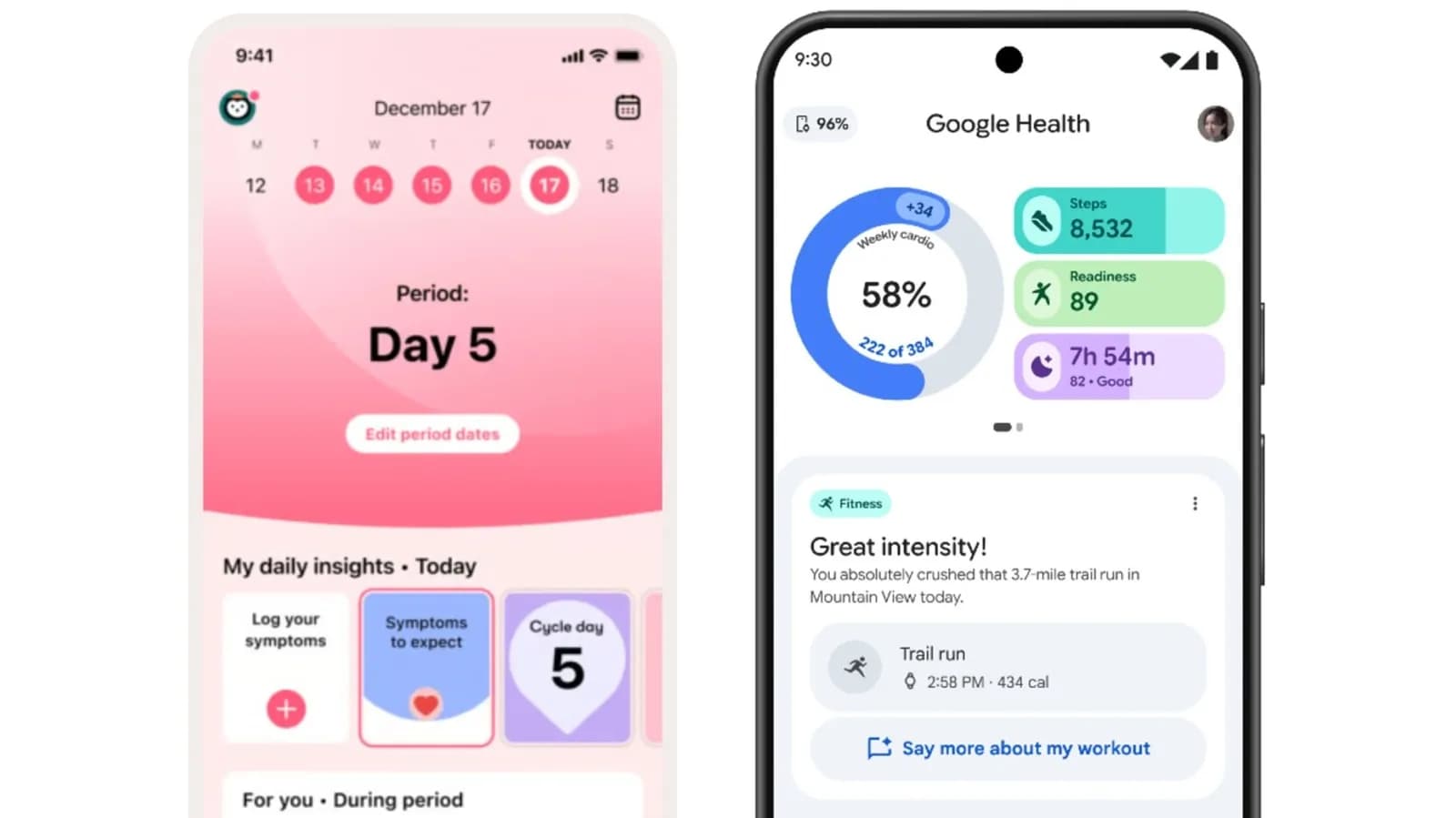
The intersection of technology and personal health has always been a delicate balancing act, requiring rigorous data security alongside seamless user experience. Recently, a major collaboration was announced between technology giant Google and the widely used menstrual health tracker Flo Health. This partnership aims to bridge the gap between specialized tracking applications and broader wellness ecosystems, starting with the ability for Flo users to sync their cycle data directly with the Google Health application early next year.
For developers, product managers, and engineers working in the health and wellness sector, this integration represents much more than a simple feature rollout. It highlights the growing demand for unified health data pipelines and standardized application programming interfaces in a domain historically plagued by fragmentation. As users increasingly expect their various devices and apps to share context effortlessly, collaborations of this scale set new precedents for how sensitive health metrics are handled, transported, and stored across disparate platforms.
The Technical Mechanics of Data Synchronization
At its core, syncing health data across different platforms requires robust data modeling and strict adherence to privacy and security protocols. Menstrual and reproductive health data is particularly sensitive, meaning engineers must implement airtight encryption standards both in transit and at rest. When Flo Health integrates with the Google Health ecosystem, it relies on secure APIs that facilitate authorized data exchange without compromising user anonymity or violating strict regulatory frameworks.
Developing these bridges involves careful mapping of disparate data schemas. A cycle tracking app like Flo captures nuanced daily inputs—ranging from basal body temperature to symptoms and cycle length—while general health apps often look at higher-level aggregates like sleep, activity, and heart rate. Harmonizing these distinct data points into a coherent, unified timeline requires sophisticated backend architecture. Developers must ensure that synchronization is not only reliable and low-latency but also capable of handling edge cases, such as retroactive edits to historical health logs.
The Broader Impact on the Femtech Industry
Femtech—technology focused on women's health—has historically operated in silos. While hundreds of specialized applications exist for fertility tracking, pregnancy monitoring, and general wellness, they have rarely communicated effectively with mainstream hardware and software ecosystems like Apple Health or Google Health. This partnership signals a maturing market where major platform holders are actively seeking to incorporate comprehensive women's health metrics into their baseline wellness dashboards.
For the femtech industry, this type of integration validates the importance of reproductive health data as a core component of overall wellness rather than a niche category. By plugging into Google's vast ecosystem, Flo Health gains access to a broader user base while providing its existing community with a more holistic view of their health. It encourages competing platforms to re-evaluate their interoperability strategies, potentially leading to an industry-wide push toward open standards and easier data portability for users who wish to migrate or consolidate their health records.
Developer Challenges in Health Tech Interoperability
Building integrations within the health tech space comes with unique engineering hurdles. Developers must navigate a maze of regulatory requirements, including HIPAA in the United States, GDPR in Europe, and various regional data localization laws. Furthermore, because health apps deal with deeply personal information, user trust is paramount. A single misconfiguration in an API endpoint or an unintended data leak can permanently damage a brand's reputation.
Another significant challenge lies in maintaining compatibility as underlying platforms evolve. Google Health and other major wellness ecosystems frequently update their developer kits, API structures, and data permissions frameworks. Engineering teams must invest heavily in ongoing maintenance, automated testing, and compliance monitoring to ensure that third-party sync features do not break during major platform updates. This ongoing technical overhead means that smaller startups often struggle to build direct integrations, making partnerships between tech giants and established vertical market leaders a strategic necessity.
User Privacy and Data Governance
Whenever health data is moved from a specialized application to a broader platform, privacy concerns naturally come to the forefront. Users want the convenience of a unified dashboard, but they are increasingly wary of how their data might be used for targeted advertising, machine learning model training, or commercial monetization. Addressing these concerns requires absolute transparency from both engineering and product teams regarding data governance policies.
In the context of the Google and Flo collaboration, clear consent mechanisms and granular permission controls are essential. Users must be given explicit choices over exactly which data points are shared, how long they are stored, and whether they can revoke access at any time. For developers building similar features, implementing privacy-by-design principles—such as client-side encryption and minimizing data collection to only what is strictly necessary for the feature to function—is no longer optional; it is a fundamental requirement for market acceptance.
Future Outlook for Connected Wellness Hardware
Looking ahead, software integrations like the one between Google and Flo are likely to pave the way for deeper hardware synergies. As smartwatches, fitness bands, and smart rings become more sophisticated, they are increasingly incorporating biometric sensors capable of tracking metrics relevant to hormonal health, skin temperature fluctuations, and metabolic trends. Integrating these hardware inputs with software-based tracking apps creates a continuous feedback loop that can offer much richer insights to the end user.
For software developers and hardware engineers alike, this points toward a future of ambient health monitoring, where data flows seamlessly from body-worn sensors to specialized apps and central dashboards without requiring manual logging. However, achieving this vision will require continued collaboration across the tech industry, standardizing data formats, and prioritizing user privacy at every layer of the stack.
Conclusion
The union of Google Health and Flo Health is a milestone development that underscores the industry's shift toward integrated, interoperable health ecosystems. By bringing cycle tracking data into a broader wellness framework, the partnership addresses long-standing fragmentation while raising important questions about data privacy, API security, and regulatory compliance. As developers continue to build the next generation of health tech tools, the success of this integration will likely serve as a blueprint for how sensitive personal data can be shared safely and effectively across massive digital platforms.
Source: engadget.com