
How Apple's Foldable Ambitions Could Supercharge Samsung's Galaxy Z Fold 8 Strategy

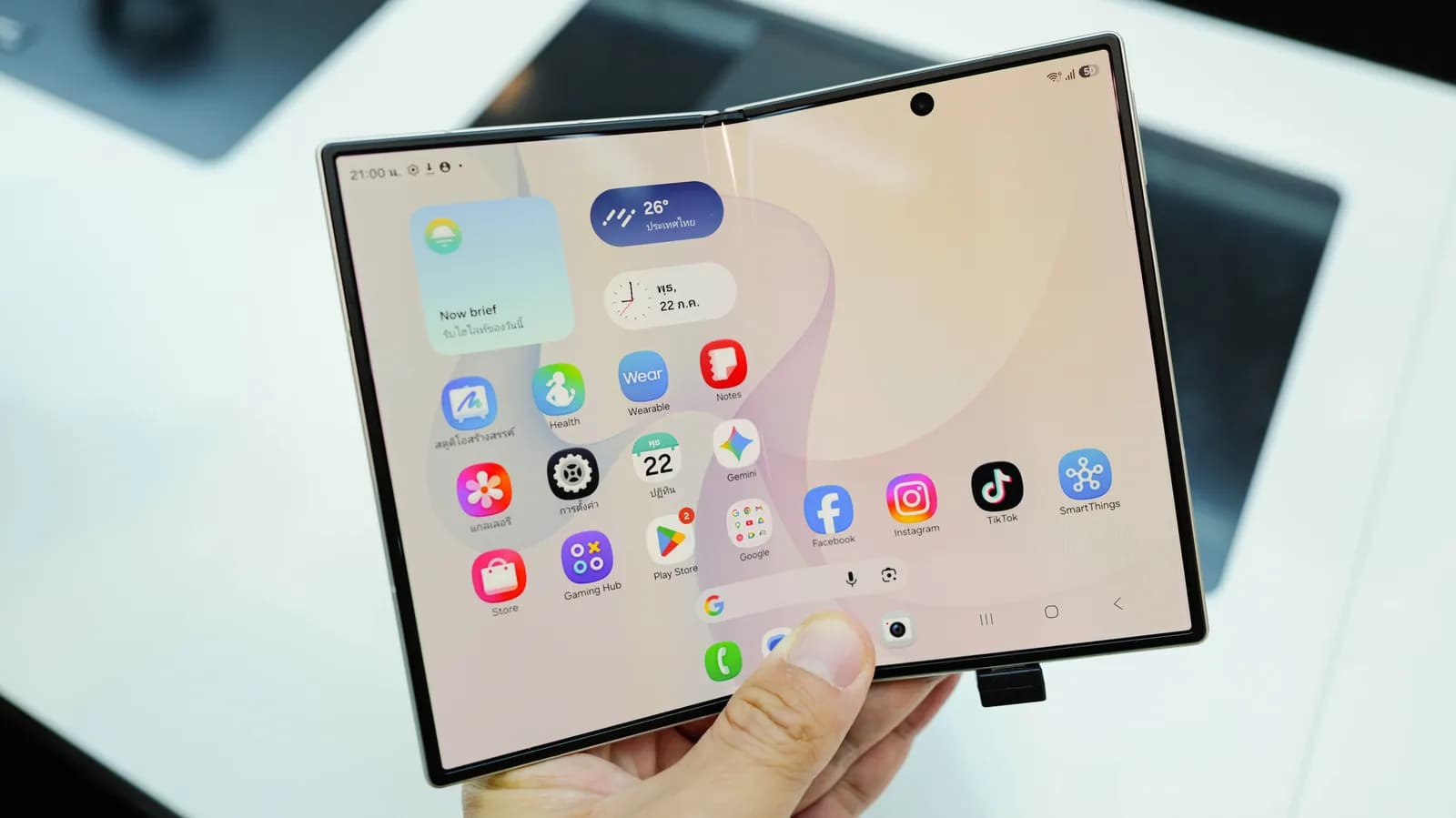
The Impending Arrival of Apple's Foldable Ecosystem
For years, the foldable smartphone category has existed in a fascinating state of technological maturity paired with niche market penetration. While pioneers like Samsung, Google, and OnePlus have iterated through hardware generations—slimming hinges, refining crease management, and optimizing software for dual-screen layouts—foldables remain largely a playground for enthusiasts and early adopters. However, the technology industry is bracing for a seismic shift as persistent rumors point toward Apple developing its own foldable device, often referred to in supply chain circles as the iPhone Duo. When Cupertino finally enters a nascent hardware market, the ripple effects are rarely subtle, fundamentally altering consumer expectations and forcing competitors to accelerate their roadmaps.
This impending entrance is not merely a validation of foldable form factors; it is an aggressive market catalyst. Historically, Apple's entry into an established category—whether it was tablets, smartwatches, or wireless earbuds—does not instantly kill the competition. Instead, it expands the total addressable market by validating the product category to mainstream consumers who previously dismissed it as a gimmick. For Samsung, which is already looking ahead to future iterations like the Galaxy Z Fold 8, Apple's delayed arrival represents an unprecedented strategic opening. Rather than fighting an uphill battle to convince everyday buyers that a folding screen is practical, Samsung could soon benefit from a rising tide that lifts all foldable boats, provided its hardware remains competitive against Apple's design ethos.
Rethinking Hardware Engineering Under Competitive Pressure
One of the most profound benefits of Apple entering the foldable space is the inevitable supply chain revolution it will trigger. Apple commands immense manufacturing leverage, capable of securing exclusive contracts for ultra-thin glass, hyper-durable hinge components, and cutting-edge display panels that minimize creases. As Apple pushes component manufacturers to meet its exacting tolerances, the entire supply chain matures rapidly. For Samsung's mobile division, this means access to superior raw materials and more sophisticated manufacturing techniques that can be directly integrated into the Galaxy Z Fold 8 and its sibling devices.
Beyond raw components, Apple's design philosophy historically forces rivals to re-evaluate their own hardware priorities. While Samsung has made commendable strides in making the Galaxy Z Fold series thinner and lighter with each generation, foldable devices still carry compromises in battery capacity, camera arrays, and structural durability compared to traditional slab phones. The pressure to match or beat Apple's rumored industrial design—especially regarding a crease-free display and a seamless folded profile—will likely galvanize Samsung's engineering teams. We could see the Galaxy Z Fold 8 abandon incremental updates in favor of a radical redesign, incorporating breakthroughs in display technology and mechanical durability driven by the looming threat of Cupertino's hardware.
Software Optimization and the Developer Ecosystem
Hardware is only half the battle in the foldable arena; software adaptation remains the ultimate differentiator. For years, Android manufacturers have struggled with a fragmented software ecosystem where third-party apps frequently fail to scale gracefully across changing aspect ratios and inner-to-outer display transitions. Google's work on Android has helped standardize foldable UI guidelines, but developer adoption has historically lagged behind the pace of hardware releases. Apple's entry into foldables will instantly alter this dynamic by forcing iOS developers to design fluid, adaptive interfaces that scale seamlessly from a standard phone display to a tablet-sized canvas.
This software pivot by the developer community will indirectly benefit the entire ecosystem, including Android and the Galaxy Z Fold series. When major multi-platform applications—from productivity suites to immersive media streaming tools—are optimized for flexible screen real estate on iOS, developers naturally invest more heavily in robust, adaptive UI frameworks. Consequently, Android developers will inherit a more mature design language and better tooling for cross-form-factor compatibility. By the time the Galaxy Z Fold 8 arrives, Samsung may find itself operating in a software landscape where adaptive applications are the industry standard rather than a bespoke luxury, greatly enhancing the daily utility of its foldable devices.
Marketing Mainstream Appeal and Overcoming Consumer Hesitation
Consumer perception remains one of the highest barriers to entry for foldable smartphones. Despite impressive hardware iterations, everyday buyers frequently cite concerns over durability, high price points, and long-term reliability as reasons to stick with traditional slab phones. Marketing a foldable device requires overcoming deep-seated skepticism about mechanical hinges and delicate internal screens. Samsung has spent millions of dollars trying to convince the public that foldables are rugged enough for daily life, yet the form factor still carries a lingering perception of being fragile or experimental.
Apple possesses a unique marketing gravity capable of reframing consumer skepticism into aspirational desire almost overnight. When Apple normalizes a folding form factor, the psychological stigma of owning an "experimental" phone evaporates for millions of mainstream consumers. This cultural shift will naturally bleed over into competitor ecosystems. Buyers who find Apple's initial foldable offering too expensive or limited in features may explore alternative options in the Android ecosystem, directly boosting sales for Samsung's Galaxy Z series. In this sense, Apple's marketing machine will do the heavy lifting of educating the mass market, allowing Samsung to capture downstream consumer demand with the more mature Galaxy Z Fold 8.
Strategic Implications for Samsung's Product Portfolio
Samsung's leadership in the foldable market has given it a massive head start, but a first-mover advantage can quickly turn into innovator's dilemma if a company becomes too comfortable. By maintaining a near-monopoly on high-end foldables for several years, Samsung has occasionally rolled out iterative updates that felt safe rather than revolutionary. The arrival of an Apple foldable injects a healthy dose of urgency into Samsung's executive boardrooms, ensuring that complacency does not stall innovation. The Galaxy Z Fold 8 will need to be more than just a refinement; it must be a definitive statement of hardware maturity.
Furthermore, this competitive pressure may force Samsung to rethink its pricing and tiering strategies. As Apple establishes the upper bound of what consumers are willing to pay for a foldable device, Samsung can strategically position the Galaxy Z Fold 8 to offer superior hardware specifications—such as integrated stylus support, more flexible multitasking features, and faster charging—at a more competitive price point. This differentiation will be crucial for retaining power users and enterprise customers who prioritize functional versatility over brand ecosystem lock-in, ensuring that Samsung remains a formidable market leader even as the competitive landscape intensifies.
The Road Ahead for Mobile Form Factors
The convergence of Apple's rumored foldable hardware and Samsung's ongoing product evolution signals a turning point for the mobile industry. What began as a high-risk experiment by hardware enthusiasts is rapidly evolving into the next standard evolution of personal computing devices. By lowering consumer resistance, accelerating component innovation, and forcing a higher standard of software design, Apple's entry into the foldable market will paradoxically strengthen its primary rival.
As we look toward the launch of the Galaxy Z Fold 8 and beyond, the narrative surrounding foldables is shifting from whether the technology can survive to how it will redefine mobile productivity. Developers and tech enthusiasts alike stand to gain immensely from this brewing rivalry. Healthy competition breeds rapid iteration, pushing engineers to solve complex problems in materials science, battery density, and user experience. Ultimately, the iPhone Duo may well prove to be the best thing to happen to Samsung's foldable division, serving as the ultimate catalyst for a truly mature, mainstream foldable era.
Source: engadget.com