
Inside Amazon's Billion-Dollar Data Center Pivot: Why Communities and Developers Are Still Pushback-Ready

The Infrastructure Boom and Its Discontents
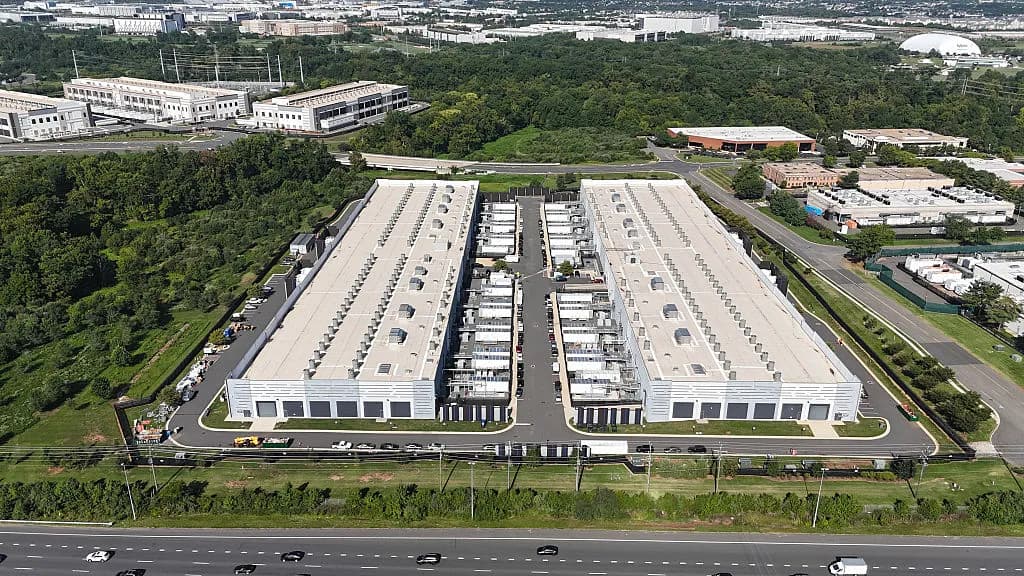
The relentless expansion of cloud computing and artificial intelligence has pushed physical infrastructure to its absolute limits. As hyperscalers race to build out massive server farms, they are colliding with an immovable object: local communities that bear the brunt of the environmental and infrastructural costs. This friction has turned data centers into unexpected battlegrounds, pitting trillion-dollar technology firms against local residents, environmental groups, and municipal governments.
Amid escalating tensions, industry giant Amazon unveiled a billion-dollar strategic initiative designed to alleviate community friction and address public concerns. However, rather than smoothing over hostilities, the announcement has triggered a wave of renewed criticism. Stakeholders are questioning whether these financial commitments genuinely address the core issues of resource consumption and local pollution, or if they amount to a sophisticated public relations maneuver.
Dissecting the Billion-Dollar Pledge
At the heart of Amazon’s strategy is a substantial capital allocation intended to improve community relations, streamline infrastructure deployment, and address local grievances associated with heavy computing hubs. While tech enterprises frequently deploy capital to grease the wheels of municipal approval, this particular fund arrived alongside notable policy adjustments, including the elimination of controversial non-disclosure agreements (NDAs) that historically gagged local partners and municipal entities during negotiations.
The removal of NDAs was widely recognized as a positive step toward transparency. For years, critics argued that behind-the-scenes deals deprived communities of their voice and kept environmental assessments hidden from the public eye. By peeling back these confidentiality layers, Amazon opened the door to more open dialogue. Yet, the goodwill generated by this policy shift was quickly overshadowed by ongoing disputes regarding the transparency of actual environmental metrics tied to the newly funded projects.
The Pollution and Resource Dilemma
The primary driver of the renewed backlash centers on the environmental footprint of modern hyperscale facilities. Data centers are notoriously resource-intensive, demanding vast amounts of electrical power and millions of gallons of water for cooling systems. In regions where the local grid relies heavily on fossil fuels, the sudden influx of massive power consumers can stall or reverse carbon reduction goals, leading to higher emissions and strained local utilities.
Critics and environmental watchdogs argue that Amazon's strategic outreach minimizes these severe pollution risks and resource drains. While financial investments can fund community parks or local educational programs, they do not scrub carbon emissions from the air or restore depleted water tables. For many local residents, no amount of corporate social responsibility spending can offset the reality of rising utility bills, diesel generator noise, and degraded local air quality.
Implications for Software Engineers and Cloud Architects
While infrastructure siting might seem distant from the daily routine of writing code, these controversies hold profound implications for software developers and cloud architects. As public pushback intensifies and regulatory scrutiny mounts, the cost of operating cloud infrastructure is bound to rise. Governments are beginning to contemplate stricter zoning laws, mandatory renewable energy sourcing, and water usage caps specifically tailored for large-scale compute facilities.
These evolving constraints will inevitably trickle down to how software is architected and deployed. Developers may soon face stricter optimization requirements to minimize resource footprints, or experience higher latency and shifting regional availability as data center placement becomes politically untenable in traditional tech hubs. Understanding the geopolitical and environmental bottlenecks of cloud hardware is becoming an essential part of modern system design.
The Transparency Paradox
The ongoing standoff highlights a fundamental paradox in the tech industry's approach to community engagement: striving for transparency often reveals uncomfortable truths that companies are unprepared to mitigate. By lifting restrictions on communication, Amazon invited closer scrutiny of its operational metrics. When local communities and journalists examined the fine print, the disconnect between corporate sustainability pledges and on-the-ground ecological impact became glaringly obvious.
This dynamic illustrates that financial capital alone cannot buy social license. Modern infrastructure projects require a deep, authentic commitment to ecological stewardship and community co-planning. When corporations attempt to trade financial investments for environmental acquiescence, sophisticated watchdogs and local coalitions are quick to call out the discrepancy, turning well-funded outreach programs into flashpoints for public distrust.
What Lies Ahead for Hyperscale Infrastructure
As the demand for generative AI and cloud services continues its exponential climb, the pressure on physical infrastructure will only intensify. Technology companies are caught in a race where pausing expansion means losing market share, yet continuing at the current pace risks severe regulatory backlashes and perpetual community strife. Navigating this tightrope will require technological innovation, such as more efficient cooling systems, advanced energy storage integration, and genuinely carbon-free power sourcing.
For the broader tech ecosystem, the Amazon controversy serves as a cautionary tale. Infrastructure growth can no longer happen in a vacuum or behind closed doors. Developers, enterprise customers, and tech consumers alike will increasingly need to factor the socio-environmental cost of compute into their operational calculus, demanding accountability not just for software performance, but for the physical footprint required to run it.
Closing Thoughts
Amazon's attempt to buy peace with a billion-dollar fund demonstrates both the scale of the data center crisis and the limitations of traditional corporate philanthropy. Until technology leaders align their physical expansion strategies with genuine ecological sustainability and transparent community partnerships, infrastructure projects will continue to face steep friction. For the developer community, this unfolding saga is a reminder that the cloud is not an abstract, weightless ethereal space—it is physical hardware anchored in real communities, bearing real-world consequences.
Source: arstechnica.com