
Inside the Google Fitbit Edge Leak: What the Next Fitness Tracker Means for the Ecosystem

A Surprising Leak Spots the Next Evolution in Wearables
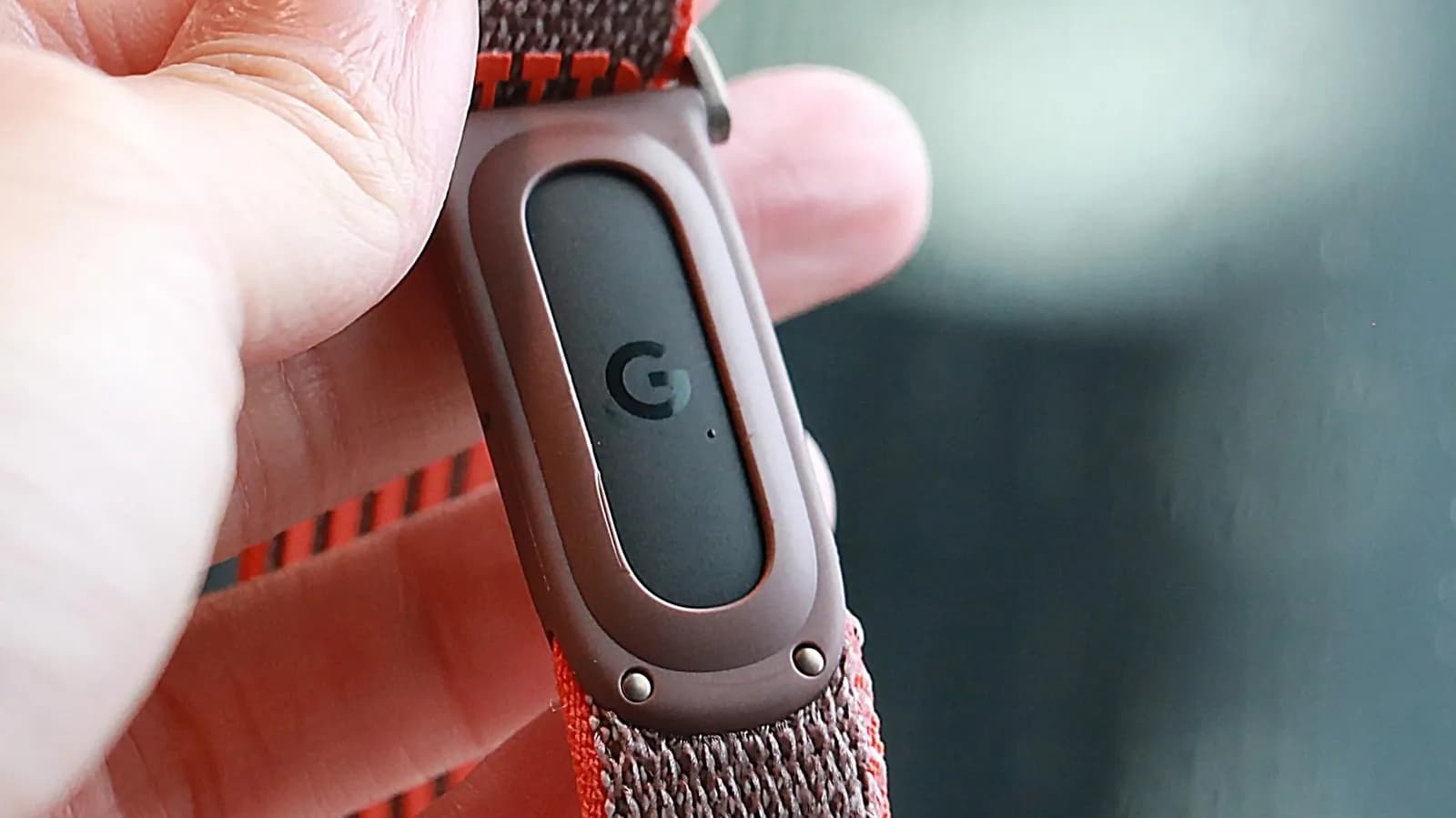
The consumer hardware rumor mill has churned out another fascinating glimpse into upcoming tech, this time zeroing in on Google’s wearable roadmap. Recent leaks have brought to light the so-called Fitbit Edge, a device positioned to potentially succeed older dedicated fitness trackers like the Fitbit Charge series. For software engineers, hardware enthusiasts, and ecosystem watchers alike, this leak offers a compelling look at how Google continues to harmonize its acquired Fitbit assets with its flagship Pixel hardware design language.
While leaks must always be taken with a grain of salt until an official announcement hits the stage, the emergence of the Fitbit Edge points to a deliberate hardware strategy. Rather than entirely abandoning dedicated fitness bands in favor of full-fledged smartwatches like the Pixel Watch, Google appears committed to serving a distinct market segment: users who want long battery life, lightweight form factors, and continuous health telemetry without the bulk or price tag of a traditional smartwatch.
Design Convergence with the Pixel Ecosystem
One of the most striking details to emerge from the recent leaks is the aesthetic alignment between the rumored Fitbit Edge and Google’s upcoming smartphone family, specifically whispers surrounding the Pixel 11 design iterations. By echoing the color palettes, finish textures, and minimalist industrial design of Google’s flagship phones, the tech giant is clearly doubling down on unified ecosystem branding. For hardware designers, maintaining visual continuity across diverse form factors—from a pocket-sized smartphone to a wrist-worn health band—is a powerful way to build brand loyalty and consumer recognition.
Beyond mere color matching, the inclusion of a functional screen on the Edge highlights how expectations for basic fitness trackers have evolved. Yesterday's simple step-counters with rudimentary LED indicators are long gone. Modern users expect crisp displays, responsive touch interactions, and rich glanceable notifications, even on slender fitness bands. This convergence means that the underlying software architecture powering these devices must be increasingly sophisticated, balancing rich graphical interfaces with extreme power efficiency.
Filling the Gap Left by the Fitbit Charge Line
The Fitbit Charge lineup has long been a staple of the quantified-self movement, offering robust health tracking without the distractions of a full smartwatch. However, the absence of recent refreshes left many wondering if Google intended to phase out dedicated fitness bands entirely. The appearance of the Fitbit Edge acts as a strong indicator that the product category is far from dead. It addresses a specific demographic of fitness enthusiasts who prioritize multi-day battery longevity and physical durability over cellular connectivity and third-party app stores.
From a product strategy perspective, maintaining a dedicated fitness band allows Google to capture price-conscious consumers who might otherwise look toward budget-friendly competitors. It creates a tiered ecosystem where a user can choose between a lightweight tracker for sleep and workouts or a premium smartwatch for daily productivity. This segmentation is crucial for maximizing market share in the fiercely competitive health and fitness tech landscape.
Software and Developer Implications
For developers working within the wearable ecosystem, hardware leaks like the Fitbit Edge serve as an early warning system for changing platform requirements. Google's ongoing efforts to consolidate its health services—bringing Fitbit functionality closer to core Android health APIs—mean that newer devices will likely lean heavily into modern data synchronization frameworks. Developers building health-adjacent applications must ensure their backend services and companion apps can seamlessly ingest and process data streams from these upcoming endpoints.
Furthermore, designing software for a slender, screen-equipped fitness band imposes unique UX constraints. Developers must optimize layouts for narrow aspect ratios, ensuring that vital health metrics, notifications, and workout controls remain legible and accessible at a glance. As Google potentially updates its underlying SDKs to support these new hardware profiles, staying ahead of firmware capabilities will be essential for third-party integration.
Balancing Simplicity with Advanced Health Sensors
The core challenge for any modern fitness tracker is packing advanced sensor technology into an increasingly compact chassis. Users now expect medical-grade or near-medical-grade telemetry—such as continuous heart rate monitoring, blood oxygen saturation (SpO2) tracking, skin temperature sensors, and potentially advanced sleep staging—inside a device that can be worn comfortably 24/7. Achieving this requires tight integration between custom silicon, low-power microcontrollers, and sophisticated machine learning algorithms running locally on the device.
As leaks suggest the Fitbit Edge will feature a dedicated screen and modern styling, it begs the question of how much computational heavy lifting will happen on the wrist versus the paired smartphone. Edge computing in wearables has advanced significantly, allowing devices to process local health anomalies before syncing to the cloud. Whether the Edge inherits advanced algorithmic features from higher-end smartwatches will be a major differentiator for its market success.
What the Edge Signals for Google's Hardware Future
Ultimately, the Fitbit Edge leak illustrates Google's methodical approach to hardware maturation. Rather than rushing experimental form factors to market, the company is refining tried-and-true product lines by infusing them with its proprietary design language and software ecosystem benefits. For an industry that often chases radical disruption, the persistence and refinement of the humble fitness tracker demonstrate the enduring value of practical, reliable consumer technology.
As we await official confirmation and a concrete release window, the tech community will undoubtedly keep a close eye on how Google positions the Fitbit Edge against a crowded field of competitors. If the leaks hold true, the device will offer a refreshing middle ground for users who want deep health insights without sacrificing battery life or wrist comfort, proving that dedicated fitness bands still have a vibrant future ahead.
Closing Thoughts
The emergence of the Fitbit Edge highlights the ongoing evolution of consumer health technology, proving that dedicated fitness trackers still hold a vital place alongside full-scale smartwatches. By blending modern Pixel-inspired aesthetics with refined health-tracking capabilities, Google is positioning its wearable ecosystem to appeal to a broad, diverse audience of fitness enthusiasts and everyday users alike.
Source: engadget.com