
Insta360 Expands Audio Lineup with E-Ink and Expandable Storage

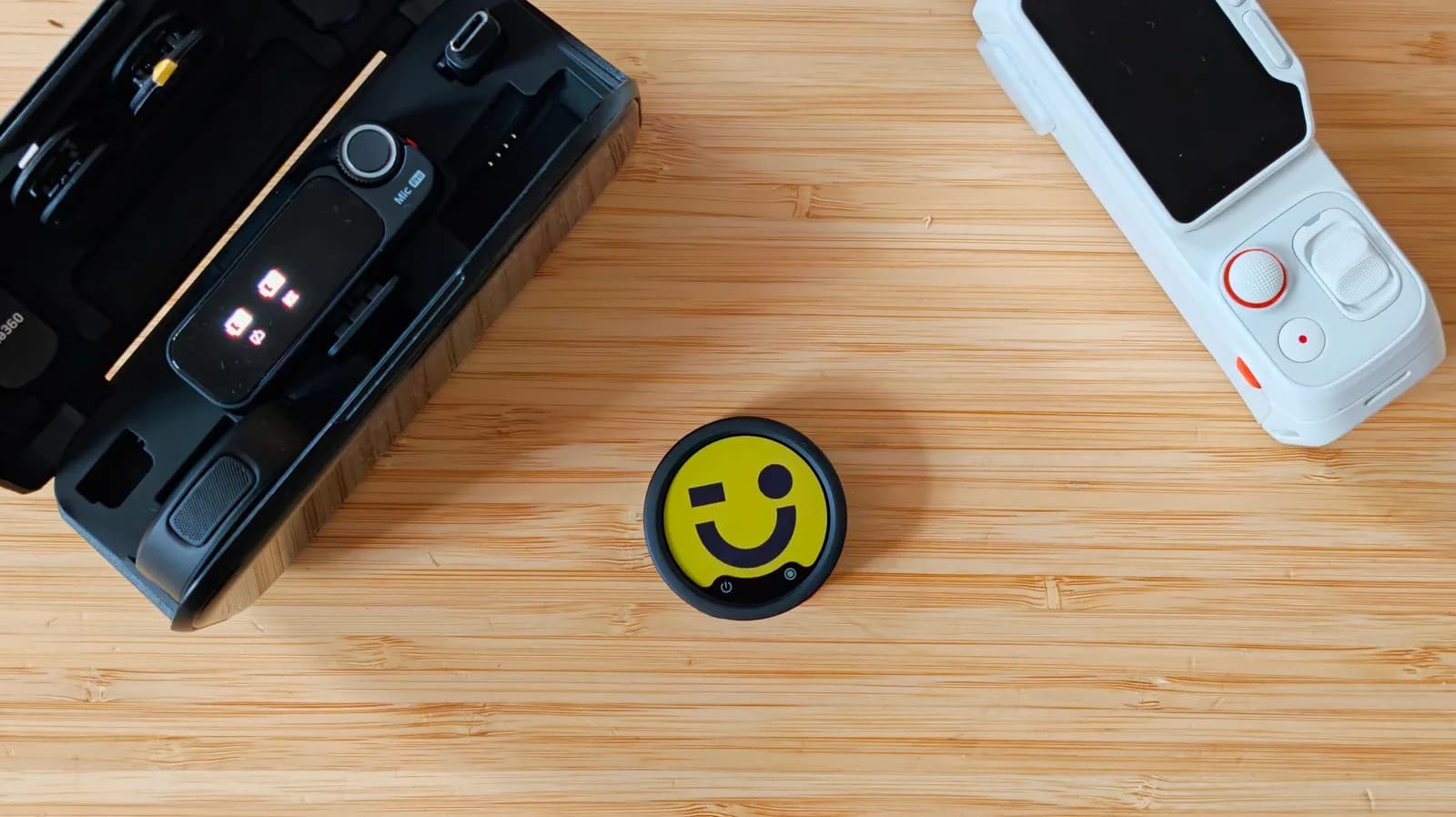
Bridging the Gap in Creator Audio
The landscape of content creation hardware is constantly shifting, driven by a demand for professional-grade reliability at consumer-friendly price points. Insta360, a brand widely recognized for its innovative action cameras and 360-degree shooting tech, has been steadily expanding its footprint into peripheral ecosystems. With their latest release, they are tackling the competitive wireless microphone market by merging advanced features usually reserved for high-end gear into a more accessible package.
This new audio offering attempts to solve a common friction point for videographers, streamers, and mobile journalists: balancing cost with critical features like reliable local recording backups and intuitive status monitoring. By rethinking what a mid-range microphone system can deliver, Insta360 is signaling that it aims to be a serious contender in the audio space, challenging traditional audio-first brands.
The Strategic Addition of Expandable Storage
One of the standout hardware decisions in this new release is the integration of expandable local storage. In professional wireless audio, dropouts and interference are an ever-present hazard, especially in dense urban environments or crowded convention floors. Internal backup recording on the transmitter itself has become the gold standard for mitigating these risks, ensuring that even if the 2.4GHz wireless transmission fails, a pristine local copy is preserved.
By incorporating support for expandable storage rather than locking users into a fixed internal memory size, Insta360 provides a flexible workflow solution. Creators can swap out media cards as needed, streamlining their offloading processes and removing artificial limitations on backup recording lengths. This design choice reflects a deep understanding of modern creator pain points, where data management on the go can make or break a production schedule.
E-Ink Innovation for Outdoor Usability
Another compelling hardware integration is the use of an e-ink display. Traditional wireless microphone receivers often rely on bright OLED or LCD screens to display critical telemetry, such as battery levels, gain settings, and connection status. While these screens look vibrant indoors, they notoriously struggle under direct sunlight, washing out and forcing creators to shade the device just to check audio levels.
E-ink technology offers a brilliant alternative for field monitoring. Highly legible under direct, harsh sunlight and exceptionally power-efficient, an e-ink display ensures that battery life is prioritized while maintaining crisp readability outdoors. For mobile creators and outdoor documentary shooters, this subtle shift in display tech represents a massive practical upgrade over conventional backlit panels.
Balancing Pro Features with a Lower Price Point
Packing advanced redundancies like local recording alongside modern display technology typically pushes hardware into premium pricing tiers. However, Insta360’s strategic positioning aims to disrupt this pricing model. By carefully selecting which professional features to retain and optimizing manufacturing costs, the company has managed to undercut traditional audio giants without sacrificing core functionality.
This democratization of pro-sumer audio gear forces legacy manufacturers to reconsider their feature gatekeeping. When buyers can acquire backup recording, reliable wireless transmission, and daylight-readable displays at a fraction of the traditional cost, the value proposition of legacy high-end systems begins to shift. It's a classic case of market pressure driving down the cost of technological reliability.
Implications for the Creator Ecosystem
For independent developers, technical vloggers, and solo creators, hardware reliability is directly tied to productivity. Audio issues are notoriously difficult—and sometimes impossible—to fix in post-production. Accessible tools that feature built-in safety nets like local storage significantly reduce the anxiety associated with field recording, lowering the barrier to entry for high-quality production.
Furthermore, as hardware ecosystems expand, cross-device integration becomes increasingly important. While these microphones function exceptionally well on their own, their existence within a broader brand ecosystem hints at future software synergies. Creators are increasingly looking for hardware that plays nicely together, reducing the friction of managing disparate apps and firmware updates across multiple manufacturers.
Looking Ahead at Wireless Audio Trends
As the wireless audio market continues to mature, differentiation relies less on basic transmission clarity—which has become universally acceptable—and more on smart workflow integrations. Features like expandable storage, power-efficient e-ink interfaces, and rugged build qualities are setting a new baseline expectation for what budget-friendly gear should achieve.
Insta360's latest entry proves that innovation is still possible in mature hardware categories through thoughtful design choices. By focusing on practical utility rather than superficial specs, they have delivered a tool that addresses real-world challenges, paving the way for further cross-pollination between action optics and professional audio capture.
Source: engadget.com