
Intel Reportedly Extending Legacy Sockets to Keep DDR4 Memory Alive in New CPUs

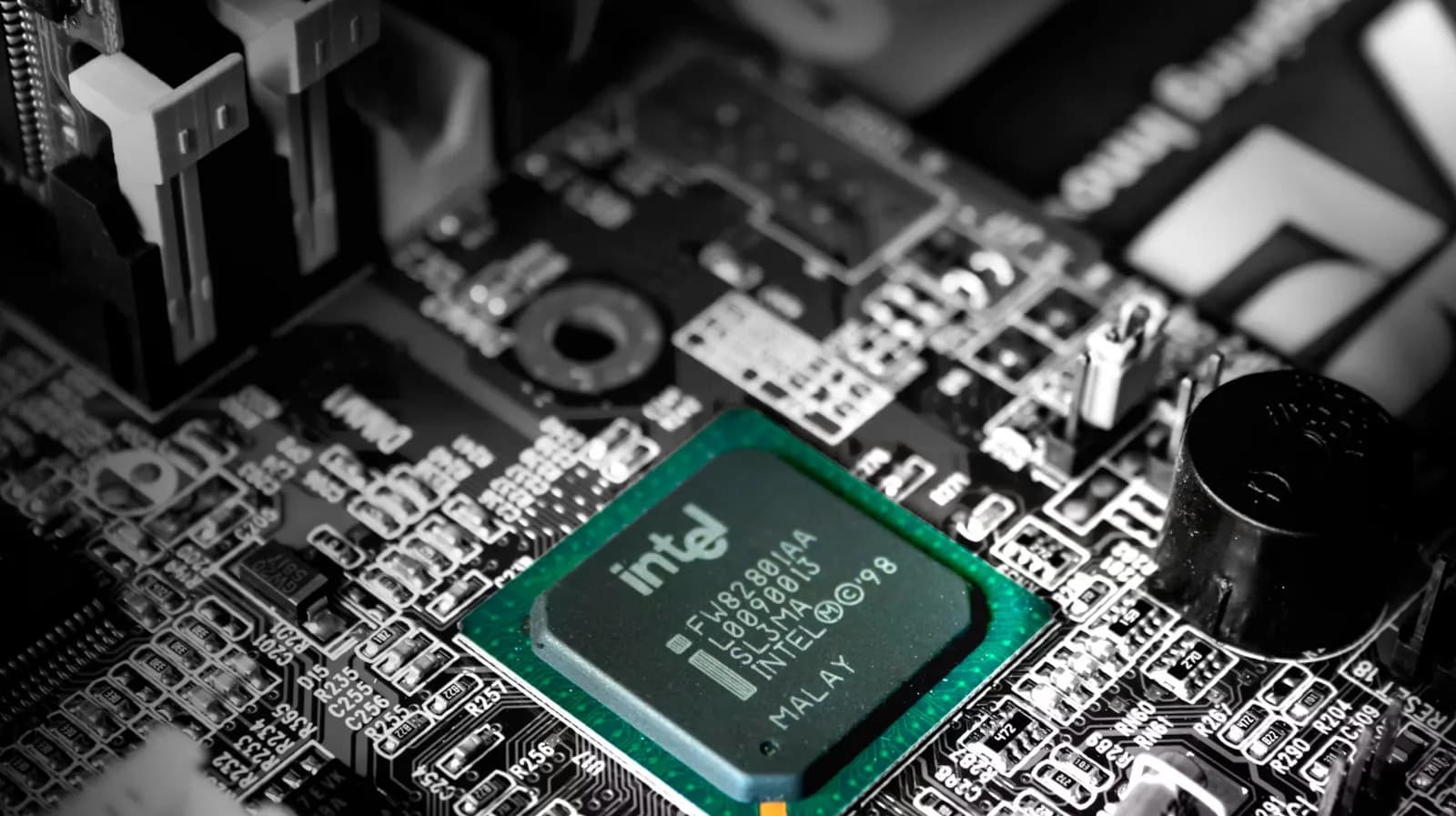
In an industry defined by an relentless cadence of annual architectural overhauls and new platform standards, stepping backward is rarely part of the roadmap. Yet emerging reports suggest Intel is taking an unconventional turn by preparing new desktop processors aimed at previous-generation motherboard sockets with continued support for DDR4 memory. Rather than forcing consumers and enterprise system builders entirely onto high-cost cutting-edge platforms, this strategic pivot highlights the complex realities of hardware economics, component supply, and real-world consumer demand.
The Enduring Appeal of Proven Sockets
For decades, desktop processor roadmaps have followed a predictable, if sometimes frustrating, cycle: a new microarchitecture arrives, brings a socket revision, and eventually mandates an entirely fresh ecosystem of motherboards, power delivery components, and memory standards. When Intel introduced the LGA1700 platform alongside its Alder Lake architecture, it provided a rare dual-compatibility feature, supporting both the then-novel DDR5 specification and the established DDR4 standard. That platform spanned three distinct generations—Alder Lake, Raptor Lake, and the Raptor Lake Refresh—before Intel transitioned to newer pin layouts and pure DDR5 configurations for its flagship architectures.
Extending a socket beyond its traditional lifecycle is an uncommon tactic for Intel, which has historically limited platform lifespans to two generations. However, maintaining compatibility with older sockets allows hardware vendors to target the massive existing base of installed hardware. Millions of systems currently operate on mid-range motherboards that are structurally sound, well-cooled, and fully capable of handling modern clock speeds, making complete motherboard-and-RAM platform replacements feel unnecessary for many everyday workloads.
Understanding the Memory Market Dynamics
The broader context for this reported decision centers heavily on the economics of system memory. While DDR5 has made massive strides in production yields, frequency benchmarks, and latency improvements since its retail debut, memory pricing remains subject to volatility, shifting manufacturing capacities, and the voracious demands of artificial intelligence infrastructure. Major memory fabricators have redirected substantial production lines toward high-bandwidth memory (HBM) and enterprise-grade server modules to satisfy the booming data center boom, intermittently destabilizing consumer supply chains and inflating component pricing.
For builders operating under strict budgetary constraints, the transition to DDR5 does not merely require buying new memory sticks; it frequently necessitates purchasing premium motherboards with advanced trace routing to stabilize high-frequency signaling. By maintaining a pipeline of modern silicon designed to operate smoothly with ubiquitous, inexpensive DDR4 modules, hardware makers can sidestep elevated bill-of-materials costs. This ensures system integrators, educational institutions, and emerging markets maintain access to dependable desktop compute without absorbing steep premium markups.
Strategic Moves in the Mid-Range and Budget Tiers
High-end enthusiasts and competitive gamers inevitably migrate to premier platforms featuring the latest PCIe generations and bleeding-edge memory bandwidth. However, the commercial reality of the semiconductor market is that the vast majority of unit shipments belong to the entry-level and mid-range tiers. Intel's reported strategy appears precisely calculated to defend these volume-heavy segments against competitive pressure from rivals who have similarly maintained long-tail support for older platforms.
By releasing refreshed silicon on legacy architectures, Intel can utilize mature, thoroughly characterized semiconductor manufacturing nodes. These mature processes deliver exceptional yield rates, reliable binning, and lower production risks compared to leading-edge lithography nodes. The resulting products might lack the headline-grabbing benchmark records of flagship processors, but they deliver compelling cost-per-frame and price-to-performance metrics that directly appeal to cost-conscious buyers.
What This Means for Developers and Homelab Enthusiasts
For software developers, engineers maintaining local build machines, and homelab hobbyists, memory capacity often supersedes raw memory speed. Compiling large codebases, orchestrating containerized development environments with Docker or Kubernetes, and running multiple virtual machines locally require vast quantities of RAM. In these workflows, having 64 or 128 gigabytes of reliable DDR4 is vastly more beneficial and cost-effective than being constrained to 32 gigabytes of high-speed DDR5 due to budget limitations.
Furthermore, hardware reliability on mature platforms is inherently well-understood. Linux kernel support, microcode updates, and platform stability on older sockets have undergone years of enterprise stress testing and community optimization. Deploying low-profile build nodes, local test runners, or edge compute clusters on refined sockets minimizes troubleshooting time and reduces driver incompatibilities, allowing development teams to focus entirely on shipping software.
Broader Implications for the Hardware Ecosystem
Intel’s reported approach signals a maturing PC ecosystem where generational leaps in computational performance are increasingly decoupled from mandatory platform overhauls. As semiconductor scaling slows under physical constraints, component longevity becomes a critical selling proposition. Hardware manufacturers must reckon with the reality that consumers are holding onto workstations, desktop rigs, and enterprise fleets for longer durations than ever before.
Moreover, there are significant environmental and sustainability benefits to extending platform utility. Encouraging the continued deployment of functional motherboards and existing memory inventory diverts functional hardware from the electronic waste stream. Providing an in-place CPU drop-in upgrade path extends the lifespan of functional hardware, reducing total cost of ownership while supporting corporate sustainability initiatives.
Looking Ahead: The Balance Between Innovation and Accessibility
While cutting-edge architectures will rightfully continue to drive the performance frontier, market pragmatism dictates that accessible, low-friction alternatives must remain viable. Intel's potential revival or continuation of older socket solutions that embrace DDR4 memory shows an acute awareness of consumer pain points during an era of economic caution and volatile component supply.
If these reports materialize into official retail products, consumers and developers will gain a welcome cushion against rising hardware costs. Rather than being forced to balance high-end platform requirements against tight project budgets, builders can leverage mature, stable hardware to solve immediate computational challenges without overpaying for performance overhead they may not strictly need.
Source: engadget.com