
iPhone Gains Share Amid Market Slump: What Premiumization Means for the Mobile Ecosystem

A Bifurcated Market in Challenging Times
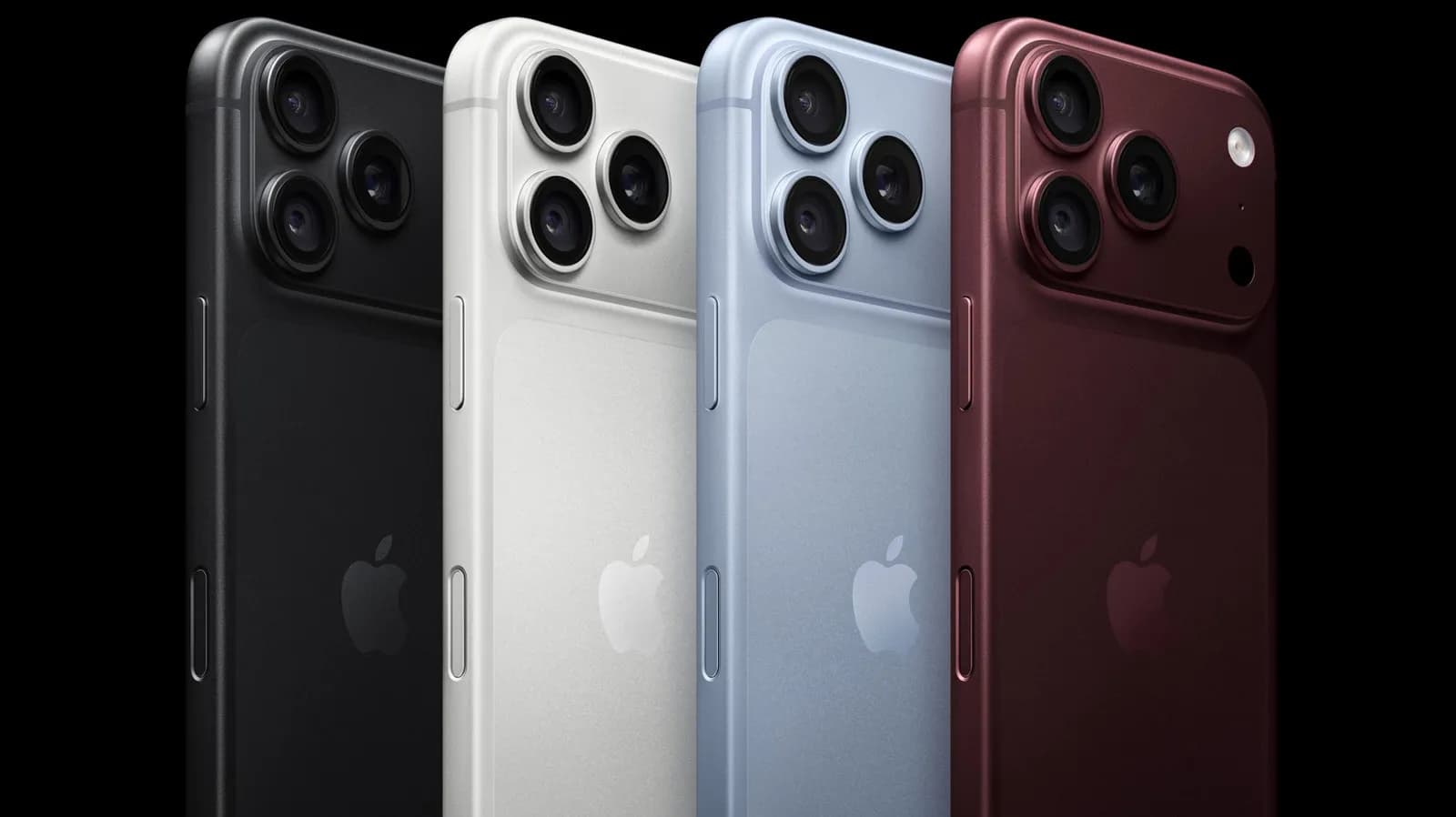
The global smartphone industry is navigating one of its most turbulent cooling-off periods in recent memory. Consumer demand has softened in response to macroeconomic uncertainty, extended device replacement cycles, and inflationary pressures around the world. Yet, beneath the grim top-line contraction lies a stark divergence in fortunes: while overall shipment numbers are sliding, Apple has managed to grow its market share, standing out alongside market leader Samsung as traditional mid-tier Android powerhouses face steep declines.
Reports tracking recent quarterly shipments reveal that brands heavily reliant on price-sensitive demographics—notably Xiaomi, Oppo, and Vivo—experienced severe contraction. In contrast, Apple held steady and captured a greater slice of a shrinking pie. This resilience demonstrates that consumer willingness to invest in premium devices remains robust even when entry-level and mid-range volumes dry up, signaling fundamental structural shifts across the broader mobile hardware and software landscapes.
The Anatomy of the Android Mid-Tier Struggle
For the past decade, Chinese original equipment manufacturers (OEMs) built massive global footprints by offering aggressive hardware specifications at disruptive price points. Brands like Xiaomi, Oppo, and Vivo achieved enormous shipment volumes across emerging markets and Europe by winning over budget-conscious consumers who wanted near-flagship capabilities without the flagship price tag. However, that high-volume, low-margin playbook has become increasingly vulnerable to broader economic headwinds.
When discretionary spending tightens, consumers in lower and middle income brackets tend to postpone device upgrades, holding onto existing hardware for an extra year or more. At the same time, rising component costs and supply chain fluctuations have made it harder for budget OEMs to maintain their historically razor-thin margins. With high inventory levels lingering in retail channels and domestic demand in major manufacturing hubs experiencing friction, these companies have borne the brunt of the downturn.
Why Apple and Samsung Continue to Weather the Storm
Apple’s consistent performance during industry-wide contractions points to the enduring strength of its ecosystem lock-in and the ongoing trend toward premiumization. Smartphone buyers who can afford devices in the premium price bracket are generally less sensitive to immediate macroeconomic volatility. Moreover, Apple’s aggressive trade-in programs, carrier financing partnerships, and expansion into secondary markets via certified refurbished channels have made entering the iOS ecosystem more accessible to upwardly mobile consumers.
Samsung, while maintaining a diverse portfolio spanning entry-level Galaxy A-series devices to ultra-premium Galaxy S and Z Fold models, has also leaned heavily into its higher-margin flagship tier. By consolidating its hold on the high-end Android market alongside Apple's dominance in iOS, Samsung has insulated its operating margins far better than competitors relying primarily on commodity hardware. Together, the two tech titans have turned an industry slump into an opportunity to solidify their duopoly at the top of the mobile hierarchy.
The Developer Perspective: Monetization and Platform Targeting
For software engineers and mobile product teams, device shipment figures are far more than financial talking points; they represent the evolving distribution of their user base. The ongoing flight to quality and premium hardware has direct ramifications for application development, user acquisition strategies, and monetization roadmaps.
- Monetization Gap Widening: Historically, iOS users have demonstrated significantly higher average revenue per user (ARPU) compared to Android users, driving higher in-app purchase conversion and subscription retention. As Apple captures more market share during economic downturns, the revenue disparity between iOS and Android app storefronts is likely to widen further.
- Targeting Fewer, More Capable Devices: The contraction of budget Android shipments means fewer active low-spec devices entering the ecosystem. For engineering teams, this simplifies performance optimization, allowing developers to target modern APIs, on-device machine learning models, and richer graphics frameworks without spending disproportionate resources supporting severely constrained hardware.
- Cross-Platform Framework Calculus: While cross-platform frameworks like Flutter and React Native remain popular for cost-effective development, engineering leadership at startups often weighs where to launch first. A stronger iOS footprint in key revenue-generating markets reinforces the "iOS-first" philosophy for subscription-based consumer software.
On-Device AI and Hardware Lifecycles
The smartphone market's current trajectory intersects closely with the emergence of generative AI and edge computing. Premium chipsets—such as Apple’s A-series and M-series silicon or high-end Qualcomm Snapdragon processors—are increasingly designed with dedicated neural processing units (NPUs) capable of running multi-billion-parameter language models directly on the client device.
As consumers hold onto their smartphones longer, they expect their devices to support sophisticated on-device intelligence and software updates across multiple major OS cycles. Apple’s long-term software support track record gives it a major structural advantage here. When buyers invest in high-end hardware, they view it as a four- to five-year investment. Vendors that struggle to provide multi-year operating system upgrades and on-device AI capabilities will find it increasingly difficult to convince consumers to purchase anything beyond bare-minimum replacement devices.
Risks, Uncertainties, and Regulatory Headwinds
Despite its current strength, Apple faces meaningful challenges that could complicate its growth trajectory in future quarters. Regulatory pressures in Europe, the United States, and Asia are forcing the company to dismantle aspects of its walled garden, opening up possibilities for third-party app stores, alternative payment processors, and standardized messaging protocols. How these changes will impact Apple's services revenue—which has become a crucial buffer against hardware volatility—remains an open question.
Furthermore, the premium segment itself is not entirely immune to fatigue. If incremental hardware innovations continue to plateau, even affluent consumers may decide to delay upgrading. For Android manufacturers, the current downturn may accelerate a necessary consolidation, forcing brands to prune bloated device portfolios, streamline custom Android skins, and refocus on software polish and developer experience to win back user loyalty.
The Takeaway for the Tech Industry
The latest market movements underline a pivotal lesson: in an era of saturated hardware penetration, brand loyalty and perceived long-term value trump raw volume. Apple’s ability to gain share during an industry-wide downturn highlights the enduring power of a tightly integrated hardware-software ecosystem. For developers and tech strategists, the mobile ecosystem is tilting ever more decisively toward premium tiers, rewarding teams that build rich, performant, and deeply integrated software experiences for users willing to pay for quality.
Source: engadget.com