
Jaguar's Radical Type 01 EV Sparks Debate on Modern Automotive Software and Design

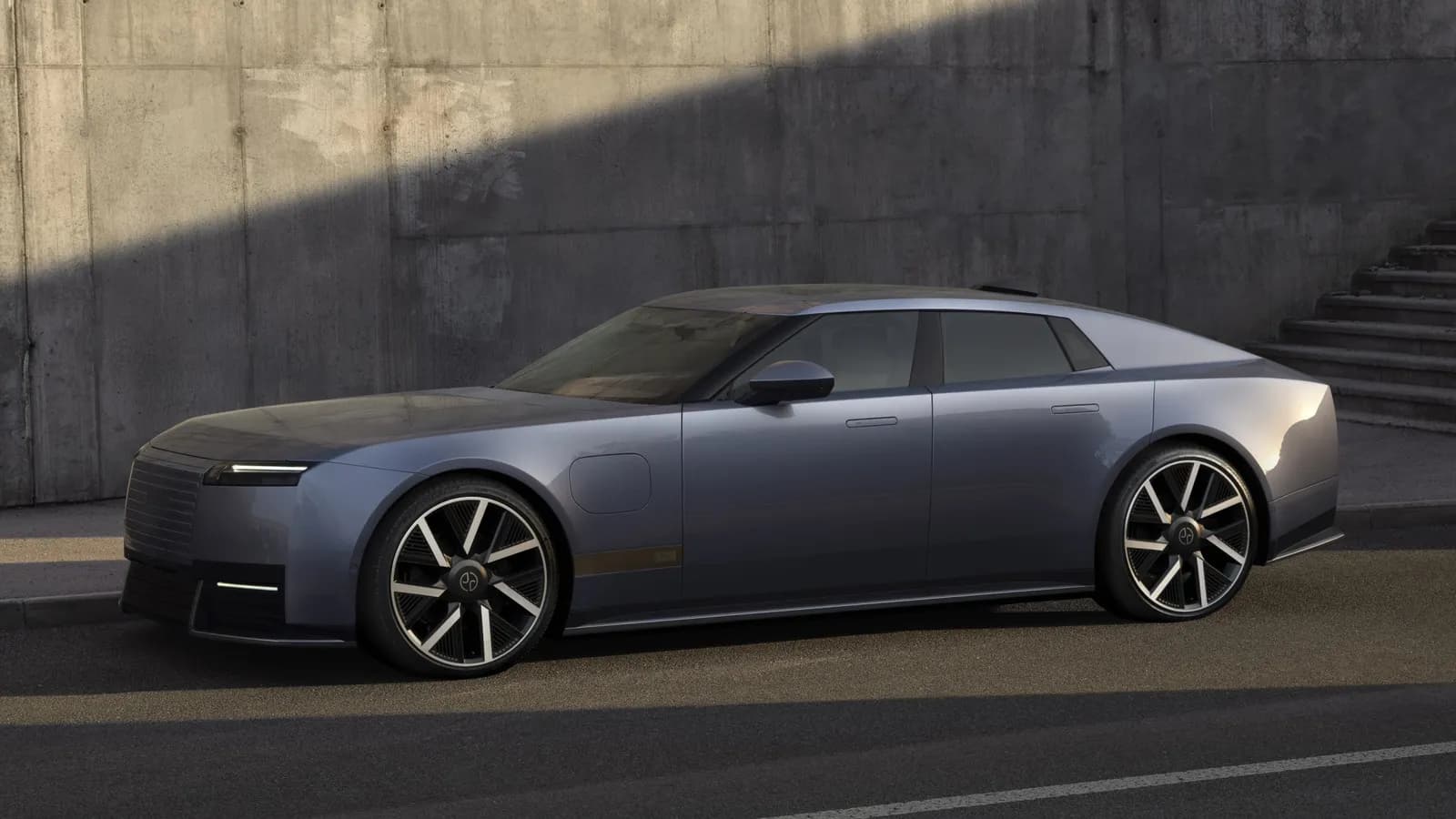
A Bold Departure from Conventional Design
The automotive landscape has long been dominated by aerodynamic efficiency, smooth curves, and increasingly homogenized silhouettes driven by battery placement and drag coefficients. However, traditional luxury marques frequently attempt to disrupt this uniformity by leaning heavily into emotional resonance and heritage. Jaguar's recent unveiling of the Type 01 electric vehicle concept represents a striking pivot away from contemporary norms, presenting a silhouette that evokes classic coachbuilding eras while incorporating cutting-edge electric vehicle architecture underneath.
This design philosophy is explicitly intended to provoke a reaction, targeting an affluent, younger demographic that values exclusivity and aesthetic audacity over subtle blending. By rejecting the wind-tunnel-tested uniformity seen across much of the modern EV market, Jaguar is wagering that distinctive, polarizing styling will capture the attention of buyers fatigued by minimalist, tablet-on-wheels interior design and generic hatchback proportions.
The Intersection of Heritage Aesthetics and EV Architecture
Underneath the sweeping lines and retro-inspired proportions of the Type 01 lies a modern, dedicated electric skateboard platform. Designing an EV from a clean sheet allows engineers to rethink cabin space, weight distribution, and crumple zones without being constrained by legacy internal combustion engine layouts. Yet, reconciling a classic, vintage-inspired exterior with the functional realities of thermal management, battery packaging, and pedestrian safety regulations presents a formidable engineering challenge.
Modern luxury electric vehicles are defined just as much by their underlying compute power as by their chassis and suspension. Integrating advanced driver-assistance systems (ADAS), high-bandwidth sensor suites, and complex infotainment systems into a body style that drastically diverges from standard aerodynamic templates requires innovative packaging. Software-defined vehicle architectures must now bend to accommodate radical physical forms, proving that bold exterior styling cannot come at the expense of digital functionality and connectivity.
Why Software and User Experience Matter in Ultra-Luxury EVs
For modern developers and software architects working within the automotive space, vehicles like the Type 01 highlight the shifting definition of luxury. While exterior design grabs headlines, the real battleground for high-end automotive brands lies within the digital cockpit, user experience (UX), and over-the-air (OTA) update ecosystems. Affluent buyers purchasing vehicles at this price point expect seamless integration with their digital lives, ultra-responsive interfaces, and personalized automation features.
This creates a fascinating engineering tension: how do you marry a cabin aesthetic that nods to a bygone era with ultra-modern, high-density display technologies and ambient computing? Designing software that respects a retro-futuristic or classic physical design language without feeling clunky or dated is a severe UI/UX test. Developers must build scalable, performant frameworks that can power everything from advanced vehicle diagnostics to bespoke interior ambiance controls, ensuring the software feels as handcrafted as the sheet metal.
Industry Implications and the Push for Differentiation
The broader electric vehicle market has matured past its initial novelty phase, leading to fierce competition and tightening margins in the mass-market segments. Consequently, legacy luxury brands are retreating upward, doubling down on ultra-exclusive, low-volume vehicles where profit margins allow for risky design experiments and expensive materials. The Type 01 serves as a bellwether for this strategy, demonstrating how heritage marques plan to carve out distinct identities in an era where powertrain technology is becoming increasingly commoditized.
When battery chemistry, raw motor efficiency, and charging speeds approach parity across competing manufacturers, differentiation must happen at the brand, design, and software layers. By staking its claim on a radically unique visual identity, Jaguar is testing whether extreme aesthetic polarization can successfully translate into brand loyalty and market attention. For the rest of the industry, it serves as a reminder that emotional appeal remains a powerful, if unpredictable, driver of consumer behavior.
Risks and Open Questions in Polarizing Automotive Design
While bold design generates immediate media buzz and market visibility, it inherently carries substantial commercial risk. A vehicle that is deliberately polarizing will naturally alienate a significant portion of potential buyers who prefer understated elegance or conventional luxury. Furthermore, long-term software support, depreciation curves for ultra-niche luxury concepts, and the transition from a concept car to a commercially viable production model remain open questions that will test the execution capabilities of the engineering and product teams.
Additionally, as vehicles become increasingly software-dependent, the lifecycle of a car's digital ecosystem must match or exceed the physical durability of its chassis. Ensuring that proprietary operating systems, cybersecurity protocols, and third-party integrations remain secure and up-to-date over a multi-decade ownership lifecycle is a major hurdle. For a brand attempting a dramatic reinvention, technical execution and software reliability will be just as critical as turning heads on the showroom floor.
Looking Ahead: The Future of Bespoke Electric Mobility
The unveiling of concepts like the Type 01 points toward a future where electric vehicles are no longer defined by a singular, utilitarian mold. As battery manufacturing matures and modular platforms become more flexible, we are likely to see a renaissance in bespoke, highly individualized automotive design, paired with increasingly sophisticated digital ecosystems. Developers and engineers will need to adapt to tighter integrations between physical luxury and ambient, software-driven environments.
Ultimately, whether the Type 01 sparks a broader trend toward retro-futuristic luxury or remains an isolated design experiment, it underscores an essential truth about modern technology development: innovation is as much about cultural and aesthetic expression as it is about raw engineering metrics. As the automotive industry continues its electric transformation, the ability to balance daring design with robust software architecture will define the survivors of the next automotive revolution.
Source: engadget.com