
Microsoft Shifts Strategy on Copilot+ PC Branding for Surface Lineup

A Shift in Hardware Marketing
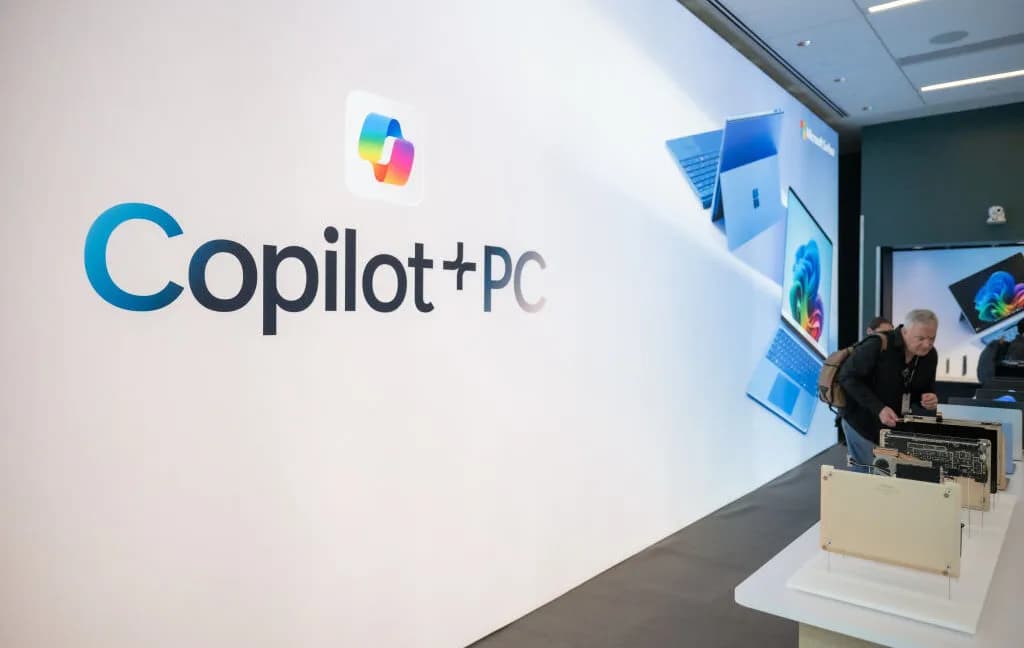
Microsoft's hardware strategy has long served as a bellwether for the broader Windows ecosystem. When the company initially introduced the concept of the Copilot+ PC, it positioned the designation as a fundamental paradigm shift for personal computing, akin to the introduction of Wi-Fi or multi-core processors. These devices were marketed as a distinct tier of hardware, defined by specific silicon requirements and dedicated neural processing units capable of local AI workloads. However, recent developments surrounding the latest Surface laptop releases reveal a notable pivot in how Microsoft communicates these capabilities to consumers and developers alike.
By stepping back from an aggressive push of the Copilot+ PC moniker on its newest devices, Microsoft is effectively recalibrating its messaging. Rather than relying on a rigid marketing label to drive adoption, the company appears to be integrating AI features more organically into the overall Windows experience. This change suggests that the marketplace might have been confused by heavily partitioned branding, or that the hardware requirements needed to run modern assistant features are becoming standard enough that specialized labels are no longer necessary to justify a purchase.
The Silicon Baseline and NPU Realities
At the heart of the original Copilot+ PC initiative was a strict hardware prerequisite: a Neural Processing Unit (NPU) delivering at least 40 trillion operations per second (TOPS), alongside specific memory and storage baselines. This threshold was designed to ensure that features like Windows Recall, live captions, and advanced local image generation could run locally on the device without crippling battery life or relying heavily on cloud infrastructure. For hardware manufacturers, meeting these strict metrics meant aligning closely with chipmakers like Qualcomm, AMD, and Intel to secure NPU-equipped silicon.
However, the transition to widespread NPU adoption in consumer laptops has been gradual. While high-end machines readily boast these capabilities, the mid-range and budget segments have taken longer to reach the designated TOPS threshold. By softening the Copilot+ PC branding requirements on Surface products, Microsoft acknowledges the messy reality of the hardware transition period. Developers writing applications that target local AI workloads must now navigate a more fragmented hardware landscape where an 'AI PC' is no longer neatly defined by a single marketing sticker on the palm rest.
Implications for Software Developers
For software engineers and application developers, Microsoft's branding shift introduces both challenges and opportunities. When a platform vendor creates a rigid hardware tier, it gives developers a clear target audience for localized, high-performance features. Knowing that every Copilot+ PC possessed a robust NPU allowed teams to offload heavy computational tasks directly to the client machine, reducing latency and cloud compute costs. Without a strict, universally recognized branding standard, developers face a more heterogeneous user base.
Consequently, modern Windows applications must implement robust hardware detection and graceful degradation patterns. If a feature relies on local AI inference via Windows Copilot Runtime APIs, the software must be able to seamlessly fall back to CPU/GPU processing or cloud-based endpoints when run on a machine that lacks the optimal NPU specs. This adds architectural complexity to desktop software development, requiring engineering teams to build more adaptive runtime environments rather than assuming uniform hardware capabilities across all modern Windows installations.
Refining the AI User Experience
The initial rollout of Copilot+ PCs was accompanied by significant fanfare, but also considerable scrutiny regarding privacy, resource consumption, and the actual utility of features like Windows Recall. By moving away from hyper-specific branding, Microsoft may be attempting to shift public focus away from marketing buzzwords and toward tangible utility. Users care less about whether their laptop possesses an officially certified 'Copilot+' sticker and more about whether the operating system can genuinely help them manage notifications, summarize documents, and automate repetitive tasks reliably.
This quieter approach to feature integration allows Microsoft to iterate on the software side without being chained to rigid hardware marketing promises. As AI capabilities evolve rapidly through iterative software updates, tying a specific feature set to a rigid hardware classification can quickly become a liability if the software requirements change or if consumer expectations outpace the hardware specs. A more fluid strategy gives the software engineering teams the flexibility to introduce new capabilities across a broader spectrum of existing devices.
Broader Industry Dynamics and Competitor Pressure
Microsoft's adjustment does not happen in a vacuum; it reflects a broader industry maturation regarding AI hardware. Apple has been shipping Neural Engines across its entire Mac and iPad lineup for years without creating a separate marketing tier, simply making local machine learning a seamless, expected part of the operating system's foundation. Similarly, Google and other industry players are finding that consumers respond better to practical, everyday enhancements than to abstract hardware classifications.
By aligning its Surface hardware strategy closer to this model, Microsoft is acknowledging that the market is ready for AI features to be treated as core OS infrastructure rather than an exotic upsell. For competitors, this move signals that the race to define the 'AI PC' through branding alone may have reached its peak. The companies that ultimately succeed will be those that deliver reliable, privacy-respecting, and genuinely useful developer ecosystems rather than relying on exclusive nomenclature to drive hardware upgrades.
Looking Ahead: The Next Phase of Windows AI
As the dust settles on this branding pivot, the focus shifts back to execution. Developers working within the Windows ecosystem must continue to build resilient applications that leverage heterogeneous compute environments effectively. Meanwhile, consumers and enterprise buyers can evaluate Surface devices based on traditional metrics like build quality, battery life, and performance, secure in the knowledge that AI integration will scale according to the machine's actual capabilities rather than a marketing checklist.
Ultimately, Microsoft's decision to tone down Copilot+ PC branding on its own hardware points to a mature, pragmatic phase of the AI transition. The technology is moving out of the experimental hype cycle and into the practical plumbing of modern computing. For developers and industry watchers, this transition promises a more stable, albeit complex, foundation upon which to build the next generation of intelligent software tools.
Source: arstechnica.com