
Navigating Foldable Fragility: Hardware Engineering, Common Pitfalls, and the Developer Reality

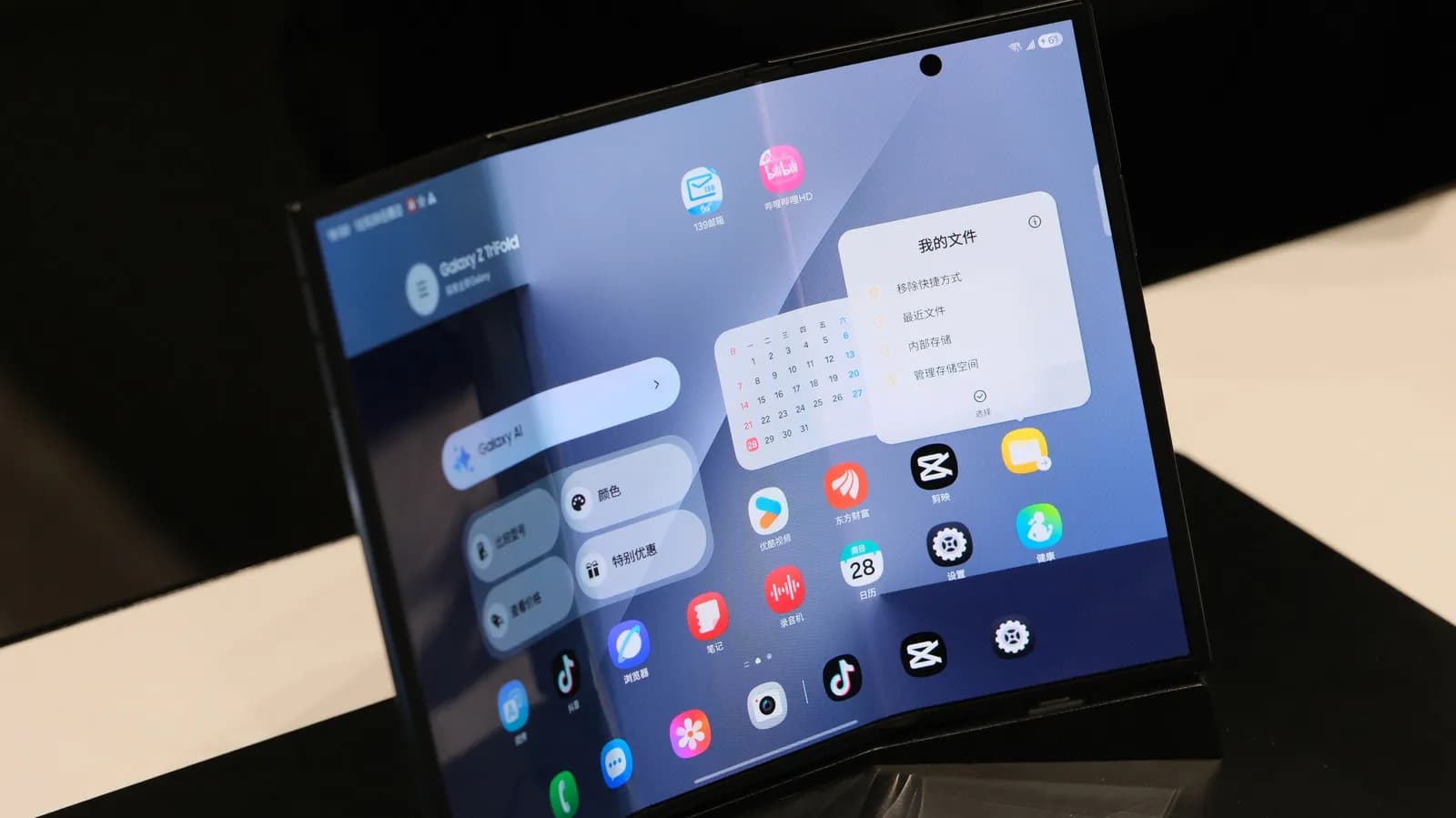
When the first commercial foldable smartphones appeared on the market, they felt like props pulled directly from science fiction. The promise of carrying a pocket-sized device that unfolds into a tablet-like canvas fundamentally challenged the rigid slab archetype that had dominated mobile computing for nearly two decades. Today, foldables from major manufacturers have evolved from experimental curiosities into mainstream flagship offerings. Yet despite notable strides in materials science and structural engineering, these devices remain bound to a fundamentally different set of physical laws than their monolithic predecessors.
Unlike standard smartphones, which rely on thick sheets of tempered glass and hermetically sealed chassis, foldable devices are dynamic mechanical systems. They incorporate complex micro-gear hinges, flexible layered displays, and moving parts exposed to the elements. For users, mastering these devices requires shedding habits formed across years of handling hardened glass slabs. For engineers and developers, understanding the friction points between delicate hardware and resilient software design is critical as flexible screens become permanent fixtures in the mobile ecosystem.
Engineering the Fold: The Complex Anatomy of Flexible Displays
To understand why foldables are prone to specific vulnerabilities, one must first appreciate the engineering compromises required to make a display bend. Traditional smartphones rely on rigid, chemically strengthened aluminosilicate glass capable of absorbing significant impact and resisting sharp-object penetration. Foldable screens, by contrast, must balance structural integrity with elastic deformation. They achieve this using ultra-thin glass (UTG) laminated beneath protective polymer films, or multi-layered plastic substrates designed to bend thousands of times without permanent creasing or structural fatigue.
Beneath the screen lies an intricate hinge mechanism, often consisting of dozens of microscopic interlocking gears, cam assemblies, and flexible ribbon cables that channel power and high-speed data between the two halves of the device. Because the display must bend along a specific radius without puckering or snapping, manufacturers introduce minute gaps along the housing to allow movement. Every open tolerance in a mechanical hinge represents a potential vector for external hazards, turning what appears to be a seamless surface into a finely balanced mechanical assembly under perpetual mechanical strain.
The Pressure Problem: Fingernails, Foreign Objects, and Screen Damage
One of the most persistent issues encountered by foldable phone owners stems from surface vulnerability. Because the outermost protective layer of an inner foldable display is typically a specialized polymer rather than hardened glass, its Mohs hardness rating is substantially lower than that of a standard smartphone screen. A sharp tap from a fingernail, an overly aggressive press with a stylus not designed specifically for soft screens, or accidental contact with jewelry can leave permanent indentations or puncture the underlying organic light-emitting diode (OLED) matrix.
Even more catastrophic is the presence of foreign objects caught inside the device when it snaps shut. Unlike conventional phones that can endure loose coins or keys sitting on top of their glass, closing a foldable with a grain of sand, an earbud tip, or a pen cap trapped between the halves concentrates enormous mechanical leverage onto a pinpoint area. This focal pressure easily crushes the UTG substrate and ruptures the pixel array, resulting in dead zones, bright vertical lines, or complete panel failure across the entire bend axis.
Dust, Debris, and the Limits of Ingress Resistance
In standard mobile devices, ingress protection ratings like IP68 have become the baseline expectation, assuring users that drops in water or exposure to dusty environments will not cause immediate hardware failure. Foldables have made impressive headway in water resistance, with many top models achieving IPX8 ratings by coating internal logic boards in hydrophobic compounds and designing channels that allow clean water to drain through the hinge without contacting active electronics.
However, particulate ingress remains an unresolved challenge. While water flows freely without snagging gears, microscopic sand, pocket lint, and grit behave abrasively. When fine particles migrate past the hinge's sweeping brushes and enter the gear track, they generate friction, disrupt movement, and can eventually press outward against the rear of the flexible OLED panel. Taking a foldable device to a beach, setting it on fine-grained soil, or carrying it in pockets laden with particulate matter introduces risks that traditional smartphones have long since mitigated through airtight adhesive gaskets.
The Factory Screen Protector Conundrum
A frequent error made by new foldable owners involves the factory-installed screen protector. On a conventional device, peeling off the default shipping film or swapping out a third-party screen guard is a routine ritual. On foldable devices, however, the pre-applied protective film is often a structural component of the display assembly itself. It distributes tension evenly across the fold radius and seals the delicate layers beneath it from ambient air and mechanical abrasion.
Attempting to remove or prematurely replace this factory film without specialized tools and manufacturer-grade adhesives can physically delaminate the fragile flexible glass beneath it. Conversely, ignoring a screen protector that begins to lift along the hinge crease presents another risk: the air gap creates a localized stress riser every time the phone folds, accelerating stress fractures in the UTG layer. Managing this delicate boundary between factory adherence and routine maintenance remains a defining quirk of the form factor.
Thermal Stress and Environmental Thresholds
Materials science reveals that flexible polymers and ultra-thin glass behave differently under extreme temperature fluctuations. In sub-freezing weather, the flexibility of the laminated adhesives and polymers decreases, rendering them significantly more brittle. Forcefully unfolding a cold-soaked device can introduce micro-fractures along the hinge seam that would not occur at standard room temperatures. Thermal cycles also affect hinge lubrication, occasionally resulting in stiff movement or uneven mechanical resistance.
Similarly, prolonged exposure to high-heat environments—such as direct sunlight on a vehicle dashboard—can degrade the optical adhesives binding the flexible panel layers together. As the adhesives soften, recurring folding and unfolding cycles can introduce bubbling, adhesive creep, and crease distortion. For power users who combine intense mobile computing workloads, rapid charging, and external thermal exposure, managing the device's internal temperature becomes essential for preserving both battery longevity and mechanical health.
The Software Dimension: How Developers Adapt to Shifting States
While durability is largely a physical and metallurgical concern, the foldable paradigm introduces equally distinct demands on the software engineering side. A device that can bend, partially unfold, or transition between external and internal screens requires dynamic responsive layout handling that traditional mobile apps rarely had to contemplate. Frameworks like Android's Jetpack WindowManager were created specifically to handle folding features, hinge angles, and posture states such as tabletop or tent mode.
Developers must build software capable of surviving rapid runtime configuration changes without dropping state, reloading heavy network payloads, or causing UI jank when a user snaps the phone shut or opens it wide. Furthermore, poorly optimized apps that fail to recognize a half-folded posture can misplace touch targets, prompting users to apply excessive physical pressure on unsupported areas of the inner screen. When software cleanly respects the hardware's physical postures, it encourages smoother, more gentle interactions, subtly mitigating mechanical wear and tear through intuitive interface design.
The Long Road Toward True Mechanical Maturity
Foldable devices are past their awkward prototype phase, but they have not yet reached the invulnerability of standard glass monoliths. Moving mechanical parts inevitably introduce wear, and flexible display layers must continuously compromise between pliable elasticity and rock-solid scratch resistance. Owning a foldable today represents an active choice to embrace cutting-edge productivity at the cost of requiring more deliberate, protective handling.
Looking ahead, advances in self-healing polymers, improved zero-gap teardrop hinge geometries, and microscopic particulate barriers will continue to bridge the durability gap. Until those breakthroughs fully mature, users must treat these devices as precision instruments rather than rugged tools, while developers continue refining software architectures that unlock the full potential of these dynamic, transformable screens.
Source: engadget.com