
Navigating the Dual-Screen Shift: What the iPhone Duo Signals for Users and Developers

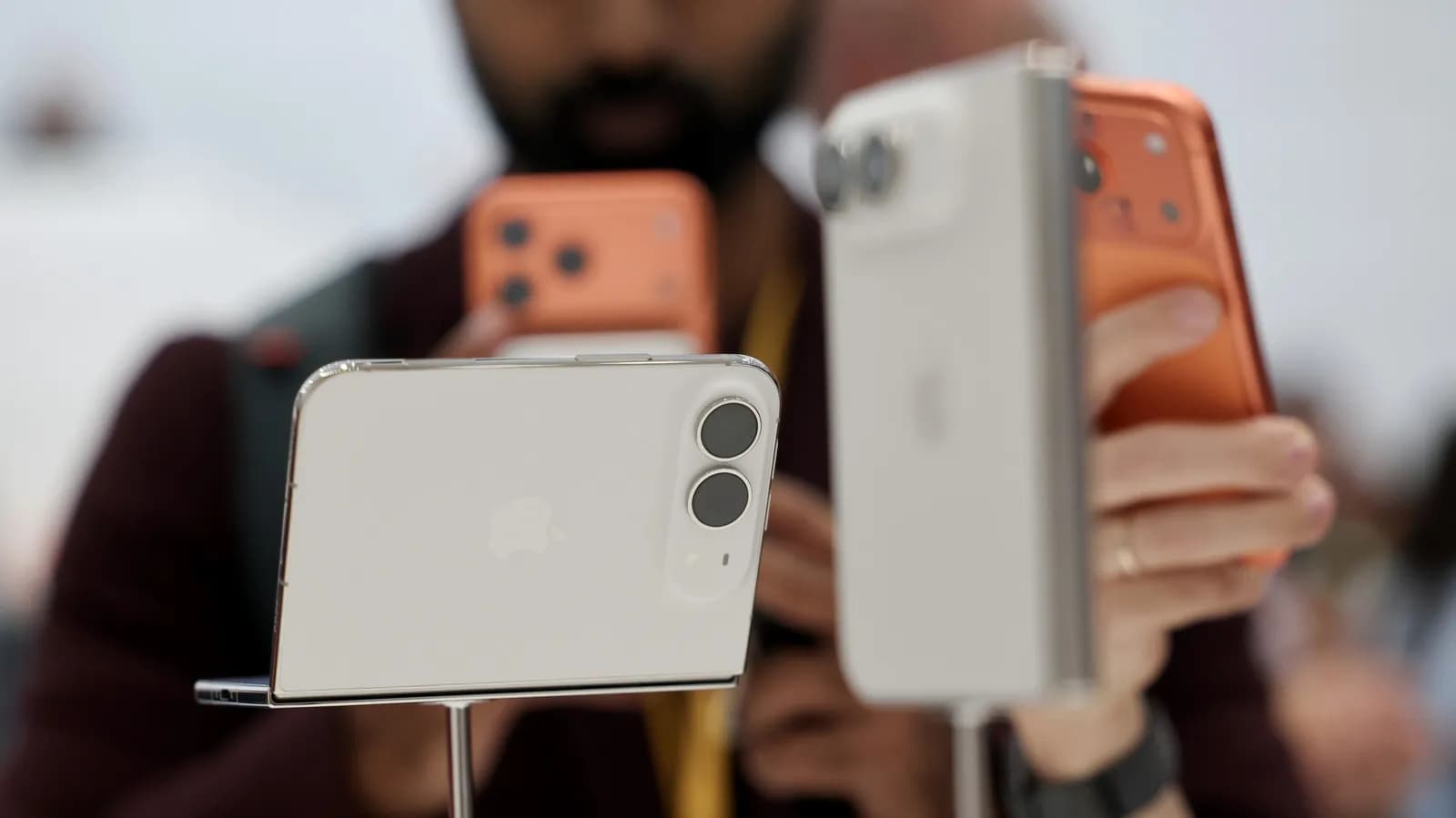
Whenever a major platform shift in consumer hardware approaches, the tech landscape finds itself caught between unrestrained enthusiasm and pragmatic skepticism. The conversation surrounding dual-screen mobile hardware—often framed around devices like the rumored or emerging dual-display paradigms in the smartphone ecosystem—highlights an ongoing industry ambition: breaking out of the familiar glass-slab silhouette. While the novelty of double the screen real estate or alternative hinges captures headlines, prospective early adopters and mobile software engineers must look past the initial promotional excitement to understand the practical trade-offs involved in adopting first-generation form factors.
The Promise and Physical Realities of Dual-Screen Form Factors
For more than a decade, smartphone design has largely settled into an iterative rhythm. Incremental improvements to camera sensors, micro-architectures, and display refresh rates have produced exceptional reliability, but they have also flattened product differentiation. A dual-screen or hybrid form factor challenges this plateau by promising genuine desktop-style productivity in a pocketable footprint. The ability to run full-sized applications side-by-side, reference documentation while drafting communications, or use one surface as an input control pad introduces a level of versatility that single-screen devices struggle to replicate.
However, physical versatility comes paired with uncompromising engineering constraints. Dual-screen assemblies require intricate hinge mechanisms, divided battery compartments, and secondary display controllers, all of which introduce weight and mechanical complexity. Unlike traditional single-slab smartphones that boast mature water and dust resistance certifications, multi-panel devices must contend with ingress vulnerabilities around moving parts. Buyers who prioritize ruggedness and all-day thermal efficiency must weigh whether the utility of dual displays outweighs the inherent fragility of moving hardware.
The Early-Adopter Software Gap
Hardware is only as capable as the operating system orchestrating it. One of the most critical aspects to monitor before investing in new form-factor devices is the inevitable software maturity gap. Historically, when manufacturers debut secondary screens or folding mechanisms, the underlying platform software takes several iterative update cycles to feel coherent. Window management paradigms, split-screen multitasking gestures, and display handover logic often exhibit rough edges during initial public releases.
Even when first-party core utilities work seamlessly across multiple display configurations, third-party application support typically lags behind. Many popular applications are designed around fixed aspect ratios and rigid portrait assumptions. When forced across dual displays or dynamic aspect ratio transitions, unoptimized apps frequently exhibit awkward layout stretching, navigation bar clipping, or unexpected re-renders that reset active state. Until the broader developer ecosystem adopts responsive, multi-window design patterns, early buyers must expect a somewhat uneven day-to-day software experience.
What Engineers and App Developers Must Anticipate
From an engineering perspective, supporting a dual-screen device is far more demanding than simply stretching canvas coordinates. Modern mobile frameworks have advanced substantially with responsive layout engines, but dual-screen architectures demand deliberate UI architecture. Developers must account for display seams, asymmetric hinge angles, posture detection (such as tent mode or laptop mode), and concurrent application lifecycles where two intensive applications compete simultaneously for GPU memory and foreground CPU scheduling.
For teams building on iOS or cross-platform environments, preparing for distinct dual-display views means rethinking view controller hierarchies and navigation stacks. Key architectural priorities include:
- Adaptive Window Sizing: Moving away from hard-coded viewport assumptions toward fluid, responsive UI paradigms that gracefully handle dynamically split viewports.
- State Preservation and Restoration: Ensuring that swapping an app between primary, secondary, or unified display modes does not wipe user input or disrupt media playback.
- Contextual Multi-Tasking: Enabling seamless drag-and-drop mechanics, clipboard continuity, and bi-directional communication between concurrent app instances.
- Thermal and Battery Optimization: Managing resource draw aggressively when the device powers two high-refresh-rate panels simultaneously under heavy multi-tasking workloads.
Economic Realities: Pre-Sales, Pricing, and Depreciation
Beyond technical capabilities, purchasing experimental mobile hardware requires careful financial calculation. Novel form factors carry substantial research-and-development premiums, which inevitably translate into steep retail price tags. While pre-order incentives, trade-in bonuses, and carrier subsidies often soften the upfront cost at launch, early-generation technology historically depreciates faster than conventional flagship models as manufacturers refine hardware revisions in subsequent years.
Prospective purchasers should scrutinize warranty policies, screen replacement programs, and accidental damage coverage options. In first-generation device lifecycles, post-warranty repairability is typically complex and costly due to non-standard parts and glued subassemblies. For technical professionals who rely on their primary handset as a daily mission-critical tool, factoring in the cost of operational downtime and maintenance is just as important as evaluating the initial hardware package.
Platform Fragmentation and the Wider Market Trajectory
The broader technology landscape has already observed the evolution of dual-screen and foldable devices across alternative operating systems. While competitor ecosystems have experimented with diverse hinges, aspect ratios, and external cover panels for several years, the market remains partially divided on whether dual physical screens or seamless flexible displays represent the definitive future. If an industry leader like Apple introduces or refines a dual-panel approach, it will instantly legitimize the form factor, compelling rival manufacturers and cross-platform framework maintainers to standardize display-spanning APIs.
This eventual standardization is good news for developers, as it reduces platform-specific fragmentation. However, during the transitionary period, developers face the overhead of maintaining legacy single-screen codebases alongside next-generation dual-screen configurations. Teams must carefully evaluate their user demographics to determine whether investing engineering bandwidth into custom dual-screen workflows makes commercial sense before market penetration reaches a critical mass.
Final Takeaway: Balancing Innovation Against Reliability
Novel hardware platforms inevitably spark curiosity, offering a refreshing departure from the uniform design language that has defined personal computing for years. Yet, diving into an inaugural dual-screen release requires a measured perspective. For developers seeking to pioneer innovative software experiences and technology enthusiasts eager to explore new interaction paradigms, early adoption offers exciting front-row access to the future of mobile multitasking.
For the average consumer or enterprise user whose smartphone is primarily an indispensable tool for daily communication and stability, caution is often rewarded. Waiting for initial firmware patches to resolve early software friction and observing how the hardware endures real-world stress testing ensures a far more polished experience down the road. The dual-screen horizon is undoubtedly full of potential, but knowing your tolerance for early-generation compromises is the key to making an informed decision.
Source: engadget.com