
Navigating the Modern Coffee Subscription Landscape in 2026

Introduction to the Modern Caffeinated Ecosystem
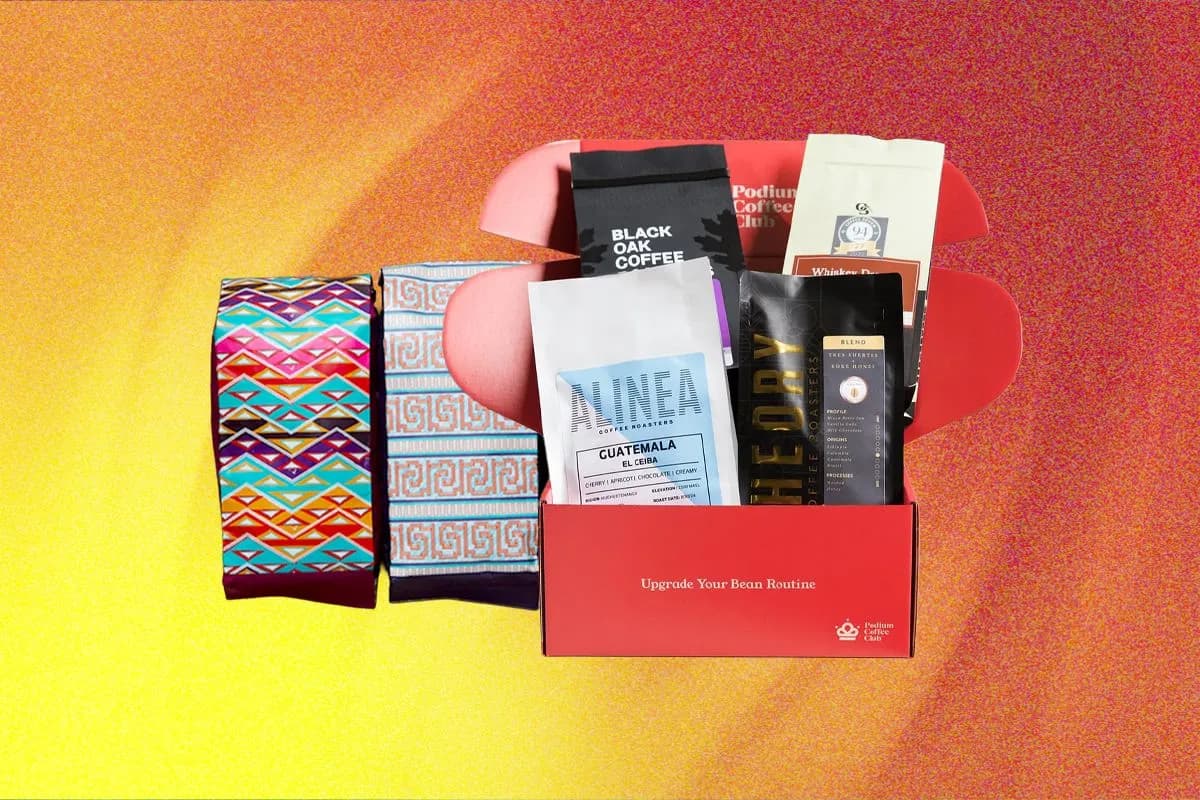
For the modern developer, late-night engineer, or remote worker, the morning brew is far more than a simple morning ritual; it is a vital catalyst for productivity and focus. Over the last few years, the market for coffee subscriptions has matured dramatically, moving away from simple monthly mailings toward hyper-personalized, data-driven taste curation. Reviewers and caffeine hounds have spent countless hours testing dozens of services to determine which platforms genuinely deliver freshly roasted beans straight to the doorstep.
As consumer expectations shift toward specialty-grade origins, ethical sourcing, and exact roast profiles, the industry has responded with sophisticated matching algorithms. Evaluating these services requires looking beyond flashy branding to assess roast freshness, bean diversity, geographic transparency, and subscriber flexibility. This deep dive explores how the subscription model has transformed the way we buy and enjoy specialty coffee.
The Evolution of Bean Curation and Discovery
In the early days of automated coffee delivery, platforms typically offered a linear, one-size-fits-all approach. Subscribers received whatever light or medium roast happened to be featuring that week, often leading to flavor fatigue or mismatched profiles. Today, subscription models leverage complex preference profiling—asking users about their brew methods, flavor notes, and acidity preferences—to curate a personalized tasting journey.
This shift mirrors recommendation engines found in digital media and software platforms. Instead of forcing users to sift through endless catalogs of obscure origins, modern curation services utilize algorithmic matching combined with human roasting expertise. The result is a continuously rotating lineup of single-origin beans and artisanal blends that challenge and expand the palate of the everyday coffee lover.
Freshness Metrics: Roast Date vs. Ship Date
One of the most critical factors separating mediocre delivery services from elite roasters is the emphasis on roast-to-order fulfillment. Coffee beans begin losing their volatile aromatic compounds shortly after roasting, making the timeline between the roaster's drum and the consumer's grinder critical. Top-tier subscription models ensure that beans are shipped within days of roasting rather than sitting in a fulfillment warehouse.
For consumers accustomed to grocery store shelves where roast dates are either absent or months old, receiving coffee with a timestamp of just a few days prior is revolutionary. This freshness guarantees optimal extraction, allowing home baristas to achieve rich crema, balanced acidity, and complex flavor notes that align with the roaster's intended tasting profile.
Customization, Flexibility, and Control
The modern consumer demands granular control over their subscriptions, and the coffee industry has had to adapt accordingly. Flexibility in delivery cadence, grind size selection, and weight options has become a baseline requirement. Whether an individual goes through a bag a week using a pour-over setup or requires whole beans for an espresso machine, the subscription must adapt seamlessly.
Furthermore, pause-and-skip features have become standard. Because coffee consumption fluctuates based on travel, workload, or seasonal shifts, platforms that make it frictionless to alter delivery schedules retain customers far longer than rigid legacy models. The emphasis has shifted from locking users into a contract to building a sustainable, frictionless utility.
Sustainability and Direct Trade Transparency
As specialty coffee culture matures, buyers are increasingly asking where their beans come from and how the farmers were compensated. Leading subscription services now prioritize direct trade relationships and transparent sourcing practices. This means ensuring that coffee producers receive fair compensation that exceeds standard commodity pricing, while also supporting environmentally sustainable farming methods.
For conscious consumers, this transparency is a deciding factor. Knowing that a morning cup supports shade-grown biodiversity, regenerative agriculture, or cooperative farming initiatives adds profound value to the daily routine. The best subscription platforms make this provenance central to their brand narrative, often including detailed farmer profiles and origin stories inside the box.
The Developer and Creator Perspective
Interestingly, the growth of sophisticated coffee subscriptions mirrors the evolution of developer tooling and SaaS platforms. Both industries rely on recurring revenue models, personalized user onboarding, automated fulfillment logistics, and continuous feedback loops. The engineering behind modern coffee logistics—predicting roast demand, managing regional roaster networks, and optimizing shipping routes—presents fascinating supply chain challenges.
For remote developers and digital creators who spend their days optimizing code and tuning systems, the parallel appreciation for a dialed-in, optimized coffee workflow is natural. Treating coffee extraction like an exact science—measuring ratios, water temperature, and extraction time—satisfies the same engineering mindset that goes into building robust software applications.
Conclusion and Future Outlook
The landscape of coffee subscriptions in 2026 proves that convenience no longer has to come at the expense of quality. By combining artisan roasting traditions with modern logistical flexibility and personalized curation, these services have elevated the home brewing experience. As technology and direct trade practices continue to converge, the future of our daily cup looks brighter, fresher, and more sustainable than ever.
Source: wired.com