
Netflix Expands Its Gaming Portfolio With Codenames Party

The Evolution of Netflix Gaming
Over the past few years, Netflix has quietly transformed from a pure video-streaming platform into a multi-faceted entertainment ecosystem. While its initial foray into mobile games was met with skepticism, the company has systematically expanded its catalog, acquiring indie studios and licensing recognizable intellectual properties. The strategy has shifted from casual time-killers to titles that appeal to broader demographics, leveraging the massive user base already tuned into the platform.
By integrating well-known board and card game concepts into its digital app ecosystem, Netflix is attempting to bridge the gap between solo couch viewing and social, interactive entertainment. The introduction of familiar titles gives subscribers a low-friction entry point into digital gaming, utilizing mechanics they may already understand from physical game nights with friends and family.
Understanding the Codenames Phenomenon
Codenames has long been a staple of modern board gaming, celebrated for its elegant mechanics and high replayability. At its core, the game challenges two teams to communicate using clever, single-word clues that point to multiple cards on a grid. Spymasters must craft associations careful enough to guide their teammates while avoiding neutral words, opposing agents, and the dreaded instant-loss assassin card.
The appeal of Codenames lies in its social dynamic: it fosters deduction, linguistic creativity, and plenty of lighthearted frustration when clues go hilariously wrong. Translating this physical tabletop experience into a digital medium requires careful balancing, especially when adapting it for a streaming service where players might be interacting via mobile devices, smart TVs, or shared living room setups.
Decoding the New Party Mode
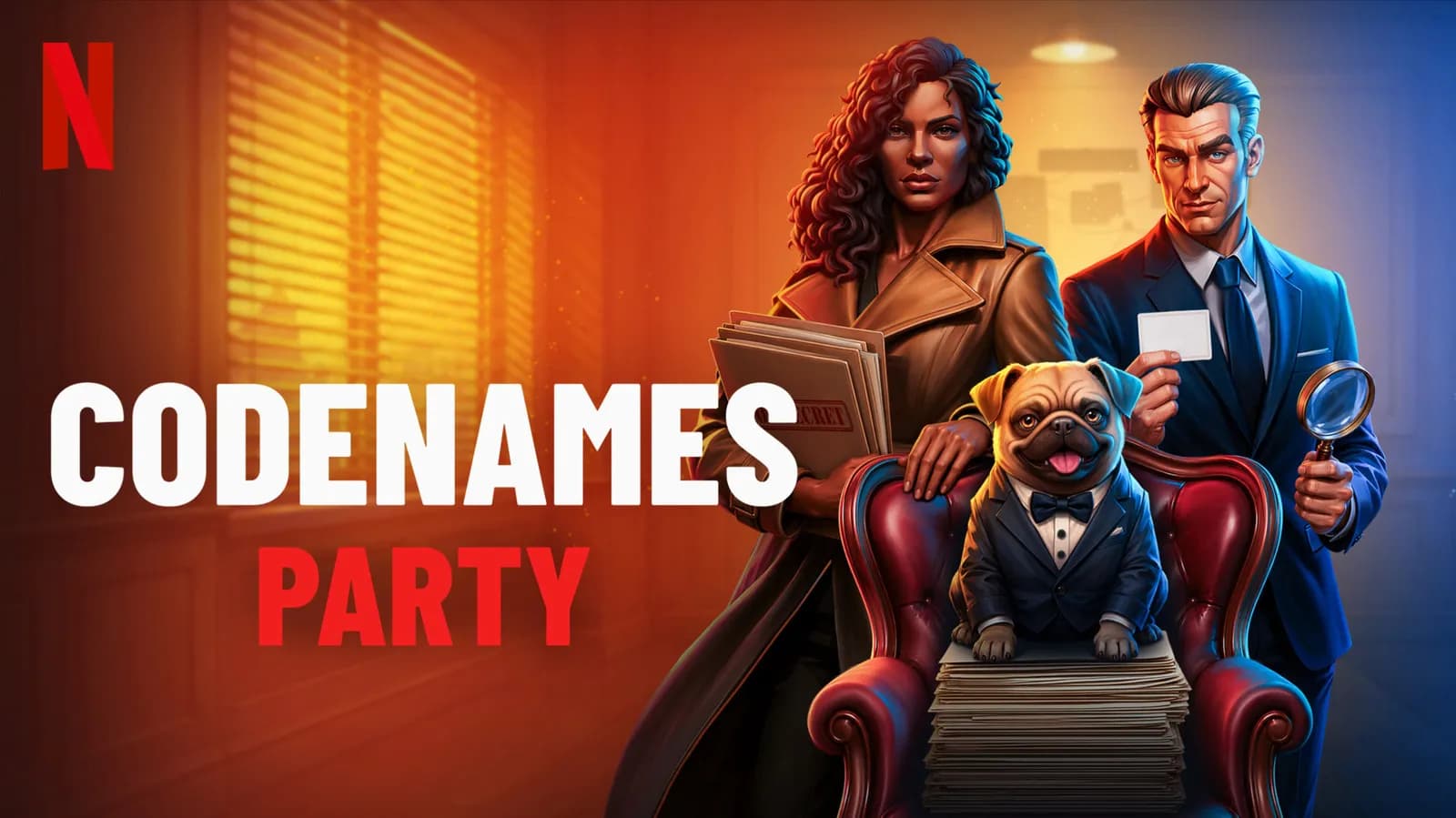
The newly announced Codenames Party mode is specifically engineered for the unique constraints and opportunities of the Netflix platform. Unlike a standard single-player mobile port, this iteration leans heavily into synchronous, multi-device gameplay that mimics the organic feel of gathering around a table. Subscribers can easily join sessions, transforming their phones into controllers or companion displays while the main board is cast to a larger screen.
This design choice highlights an evolving understanding of modern leisure habits, where second-screen usage is ubiquitous. By turning mobile phones into intuitive input devices for a shared living room experience, Netflix is tapping into a hybrid format of entertainment that feels part party game, part casual app. It removes the friction of downloading specialized standalone apps or registering for separate gaming networks.
Why This Matters for the Entertainment Industry
The integration of interactive party games into a video streaming service signals a blurring of boundaries between passive media consumption and active participation. Entertainment companies are increasingly competing for user attention, and engagement metrics now favor platforms that can keep users within their ecosystem for longer periods. Offering a diverse mix of video content and social games creates a stickier product.
Furthermore, this move demonstrates how streaming platforms are attempting to monetize their existing infrastructure in new ways. Without introducing separate microtransactions or ad tiers specifically for gaming, Netflix uses these titles as value-add features designed to reduce churn. For developers and IP holders, partnering with a streaming giant opens up unprecedented distribution channels to millions of households overnight.
Technical Challenges and Architectural Implications
Building a seamless, low-latency multiplayer experience that integrates across mobile operating systems and various smart TV hardware specifications is no small engineering feat. Developers working on cloud-connected party games must account for varying network conditions, device fragmentation, and synchronization across multiple screens. Ensuring that a user's phone connects instantly to a TV session without dropouts or lag requires robust backend infrastructure and efficient state management.
For software engineers, these projects highlight the growing demand for real-time networking protocols, WebSockets, and cross-platform frameworks capable of delivering fluid user experiences. As media platforms evolve into interactive hubs, the engineering challenges increasingly mirror those of multiplayer gaming companies, requiring specialized expertise in distributed systems and responsive UI design.
What Lies Ahead for Netflix Games
As Netflix continues to refine its gaming roadmap, the success of titles like Codenames Party will likely dictate future investments in social and multiplayer experiences. If subscribers embrace the couch-co-op and party game format, we may see deeper integration of interactive features, voice chat capabilities, and perhaps even user-generated content tools. The boundary between watching a show and playing a game within the same app is becoming increasingly porous.
For the broader tech and gaming landscape, this trend suggests that distribution is king. Companies with massive existing audiences and robust app distribution pipelines are uniquely positioned to experiment with new forms of digital entertainment, putting pressure on traditional game publishers to rethink how they reach casual audiences.
Source: engadget.com