
Retro Meets Full-Frame: How Canon's Latest Camera Bridges Film Heritage and Modern Vlogging

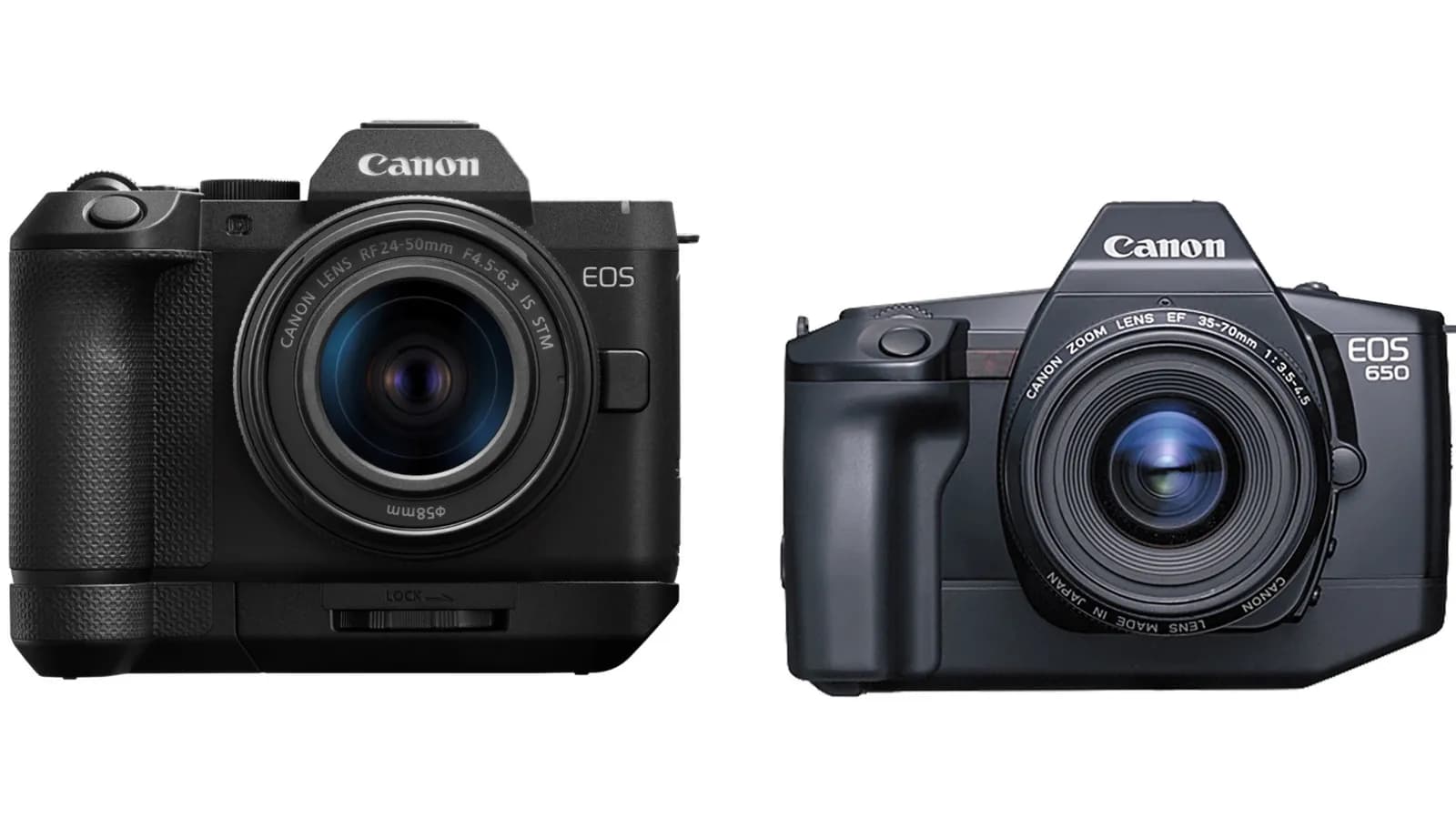
The Endless Charm of Vintage Aesthetics in Modern Gear
There is an undeniable romance associated with vintage camera design. For decades, manufacturers relied on sleek lines, mechanical dials, and ergonomic grips derived from the golden age of film photography. In recent years, however, digital camera bodies evolved into minimalist, aggressively functional black boxes optimized strictly for thermal management and sensor placement. This functional shift prioritized raw performance over tactile engagement, leaving many traditionalists nostalgic for the physical experience of older photographic tools.
By drawing direct inspiration from classic SLR film bodies for its latest full-frame offering, Canon is tapping directly into this deep-seated desire for tactile familiarity. This design choice is not merely an exercise in empty nostalgia; it represents a deliberate effort to humanize complex digital hardware. When a device looks and feels like a classic instrument, it invites a different kind of creative interaction, bridging the psychological gap between the photographer and the digital sensor capturing the light.
Balancing Traditional Still Photography With Video Demands
Modern camera engineering faces a constant tug-of-war between the demands of still photography and the explosive growth of video content creation. Historically, bodies were optimized purely for capturing fleeting moments on a single frame of film or a high-resolution digital sensor. Today, however, even entry-level and mid-tier cameras must double as high-end cinema machines, capable of continuous 4K recording, advanced autofocus tracking, and seamless live streaming integration without overheating.
Despite this heavy focus on vlogging and multimedia production, the R8 II proves that manufacturers can still cater to the purist photography market without compromising on modern video capability. By packaging high-speed continuous shooting and robust computational imaging inside a shell that honors traditional ergonomics, the company is attempting to satisfy two very different audiences simultaneously. It acknowledges that the modern creator often wears multiple hats, switching effortlessly between cinematic B-roll and high-detail portraiture.
What This Means for the Full-Frame Camera Market
The mid-range full-frame segment has historically been the battleground where camera makers experiment with feature sets to capture budget-conscious enthusiasts and semi-professional creators. As smartphone computational photography continues to swallow the low end of the market, dedicated camera manufacturers must justify their price tags through superior sensor size, optical versatility, and tactile superiority. This design philosophy shift signals that specifications alone are no longer enough to move units on store shelves.
When competitors launch similarly priced bodies, they often lean heavily into technical specs like megapixels per second or proprietary log profiles. Canon's approach with this release suggests that emotional design—how a tool feels in the hands during a long street photography walk—is a critical differentiator. This strategy could pressure other legacy brands to rethink their industrial design language, moving away from sterile utility toward designs that celebrate the heritage of photography.
Developer and Industry Perspectives on Hardware Evolution
For software developers and hardware engineers working in the imaging space, these physical shifts mirror changes happening on the software side. Just as user experience designers borrow skeuomorphic cues to help users navigate complex digital interfaces, camera designers use retro physical cues to make overwhelmingly complex computing devices feel approachable. Underneath the vintage chassis lies a sophisticated suite of machine learning algorithms, deep-learning subject detection, and complex signal processors.
This duality highlights a fascinating trend across modern tech: packing cutting-edge compute power inside familiar, accessible wrappers. Whether it is a mechanical keyboard styled after a vintage typewriter or a high-end mirrorless camera wearing the visual DNA of a film SLR, the underlying architecture is thoroughly modern. Developers creating companion mobile apps, tethering utilities, or post-processing software must continually adapt to ensure their workflows complement these versatile, hybrid hardware platforms.
Navigating Trade-Offs in Compact Full-Frame Design
Designing a camera that bridges classic aesthetics with modern performance inevitably forces engineers to make difficult compromises. To maintain a lightweight footprint reminiscent of vintage film bodies, manufacturers often have to omit certain physical amenities, such as built-in image stabilization mechanisms or larger, high-capacity battery compartments. These omissions can spark debate within enthusiast communities, where users weigh the benefits of a lightweight, portable setup against the practical need for extended battery life and deep grip ergonomics.
Furthermore, packing high-end video processors into a compact, retro-styled body introduces thermal challenges. Without the physical mass or active cooling vents of larger cinema rigs, prolonged video recording sessions require clever firmware management and efficient heat dissipation. These engineering hurdles prove that aesthetic choices carry real technical implications, requiring close collaboration between industrial designers and software optimization teams.
The Road Ahead for Hybrid Content Creation Tools
As the line between photography and videography continues to blur indefinitely, the tools we use must adapt to fluid creative workflows. The success of a camera like the R8 II will likely serve as a litmus test for future hardware generations. If creators embrace this blend of vintage ergonomics and modern digital capability, we can expect to see manufacturers push even further into design territories that honor photographic history while pushing technological boundaries.
Ultimately, the enduring appeal of classic camera styling reminds us that hardware is deeply personal. A camera is not merely a collection of sensors and chips, but an extension of the creator's vision. By respecting the past while aggressively innovating for the future, manufacturers can build devices that not only perform exceptionally well in the field, but also inspire creators to pick them up and go shoot.
Source: engadget.com