
Riot Games to Sunset League of Legends Classic Mode by January 2027

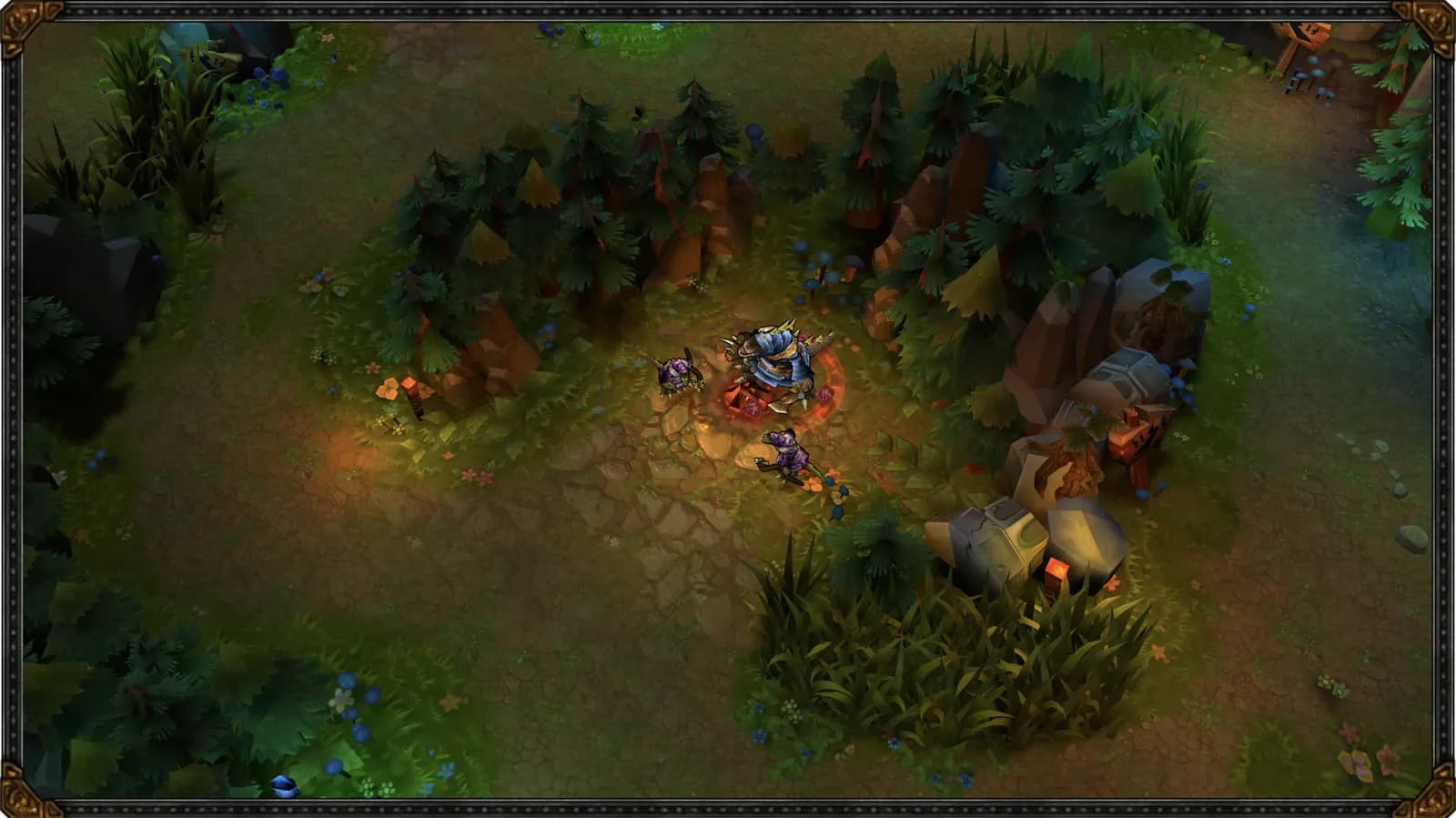
The Rise and Fall of Nostalgia in Live-Service Gaming
Modern live-service multiplayer games exist in a state of perpetual metamorphosis. Balances shift, user interfaces are overhauled, new champions are introduced, and fundamental mechanics are rewritten to keep pace with changing player expectations and technical modernization. However, this relentless march of progress often leaves behind a trail of nostalgia for early iterations of a game. For massive communities, looking back at the original version of a title evokes memories of a simpler era before complex power creep and sweeping reworks altered the core identity.
Recognizing this deep-seated sentiment, game developers occasionally roll out throwback modes, classic servers, or legacy experiences to appease veteran players and satisfy historical curiosity. Yet maintaining these older builds alongside a living, rapidly evolving modern application presents a massive architectural and operational challenge. Riot Games' recent announcement regarding the sunsetting of League of Legends Classic highlights the friction between preserving gaming history and allocating engineering resources efficiently in a massive software ecosystem.
Understanding the Technical Overhead of Legacy Modes
To the average player, firing up an older version of a game might seem as simple as loading an old executable file from a digital shelf. In reality, maintaining a legacy mode within a modern, continuously deployed live-service game requires immense technical upkeep. Software dependencies drift, security protocols evolve, and underlying backend services—such as matchmaking, authentication, and anti-cheat systems—are constantly upgraded to meet modern standards. Running an old client means either maintaining parallel backend infrastructures or constantly backporting security patches and network protocol updates to outdated codebases.
For a title as massive as League of Legends, the engineering burden is compounded by the game's unique history. Early versions of the title were built on spaghetti code and legacy frameworks that the studio spent years painstakingly refactoring. Keeping a classic variant alive requires dedicating valuable developer mindshare and server resources to infrastructure that does not align with the product's primary forward trajectory. Over time, the cost of supporting these legacy environments inevitably outweighs the engagement value they provide to the active player base.
Why Retiring the Mode Makes Sense for Riot's Ecosystem
While sunsetting a beloved community feature is always met with disappointment, strategic resource allocation is essential for the long-term health of any large-scale software project. Riot Games manages multiple sprawling titles concurrently, ranging from tactical shooters to fighting games and card games, all while continuously expanding the core League of Legends experience. Engineering talent is a finite resource, and every hour spent maintaining a historical throwback mode is an hour diverted from developing new features, optimizing performance, or tackling deep-seated technical debt in the primary game client.
Furthermore, live-service engagement relies heavily on novelty and momentum. Permanent legacy modes often experience a predictable lifecycle: initial waves of intense curiosity and nostalgia give way to dwindling player counts as the novelty fades and the inherent balance flaws or quality-of-life deficits of older versions become apparent again. By transitioning League of Legends Classic into a limited-time event format rather than keeping it permanently online, Riot can capture the excitement of nostalgia without locking down permanent server infrastructure and developer hours.
The Developer Perspective: Maintaining vs. Moving Forward
For software engineers and game developers working on live-service platforms, the decision to deprecate a feature is a familiar routine, albeit a painful one. Developers naturally take pride in every piece of software they ship, and pulling the plug on a functional component feels counterintuitive. However, the software development lifecycle demands that systems must eventually be retired when they no longer serve the product's overarching vision or drain too much operational bandwidth to sustain safely.
Technical debt is an ever-present adversary in game development, and legacy codebases are notorious breeding grounds for unexpected bugs and vulnerabilities. As underlying operating systems, graphics APIs, and server protocols change, old software components become increasingly fragile. Proactively sunsetting a legacy mode under controlled circumstances prevents catastrophic technical failures down the line, ensuring that engineering teams can focus their efforts where they matter most: delivering secure, high-performing experiences for the active player community.
The Broader Industry Trend of Temporary Nostalgia Events
Riot's strategy of eventually pivoting League of Legends Classic toward a limited-time event mirrors a broader industry trend. Across the gaming landscape, developers are increasingly realizing that nostalgia works best when it is treated as an occasional celebration rather than a permanent alternative reality. Permanent classic servers can fracture a community, dividing the player base between different versions of the same intellectual property and complicating matchmaking queues, esports balancing, and content pipelines.
By leveraging rotating modes or seasonal throwbacks, studios can spark massive waves of re-engagement without permanently inflating their infrastructure costs. Players get the thrill of stepping back in time to experience how a game used to play, but the experience remains a special occasion rather than a permanent anchor holding back the modern application's evolution. This hybrid approach respects both the history of the game and the operational realities of modern software engineering.
Looking Ahead to January 2027 and Beyond
As the clock ticks down toward the planned January 2027 sunsetting date, the League of Legends community has ample time to enjoy the classic mode while it remains permanently accessible. For Riot Games, the upcoming transition represents a necessary housekeeping measure that streamlines their technical architecture and frees up engineering squads to focus on the next generation of features. While saying goodbye to legacy modes is never easy, it is a testament to a game's longevity that it has enough history to warrant looking back in the first place.
Ultimately, the decision underscores a fundamental truth of software development: to build a sustainable future, teams must occasionally let go of the past. Whether through periodic special events or cherished memories, the legacy of early League of Legends will continue to influence the game's design, proving that while code may be deprecated, community spirit endures.
Source: engadget.com