
Samsung Expands Audio Ecosystem with Innovative Clip-On Earbuds

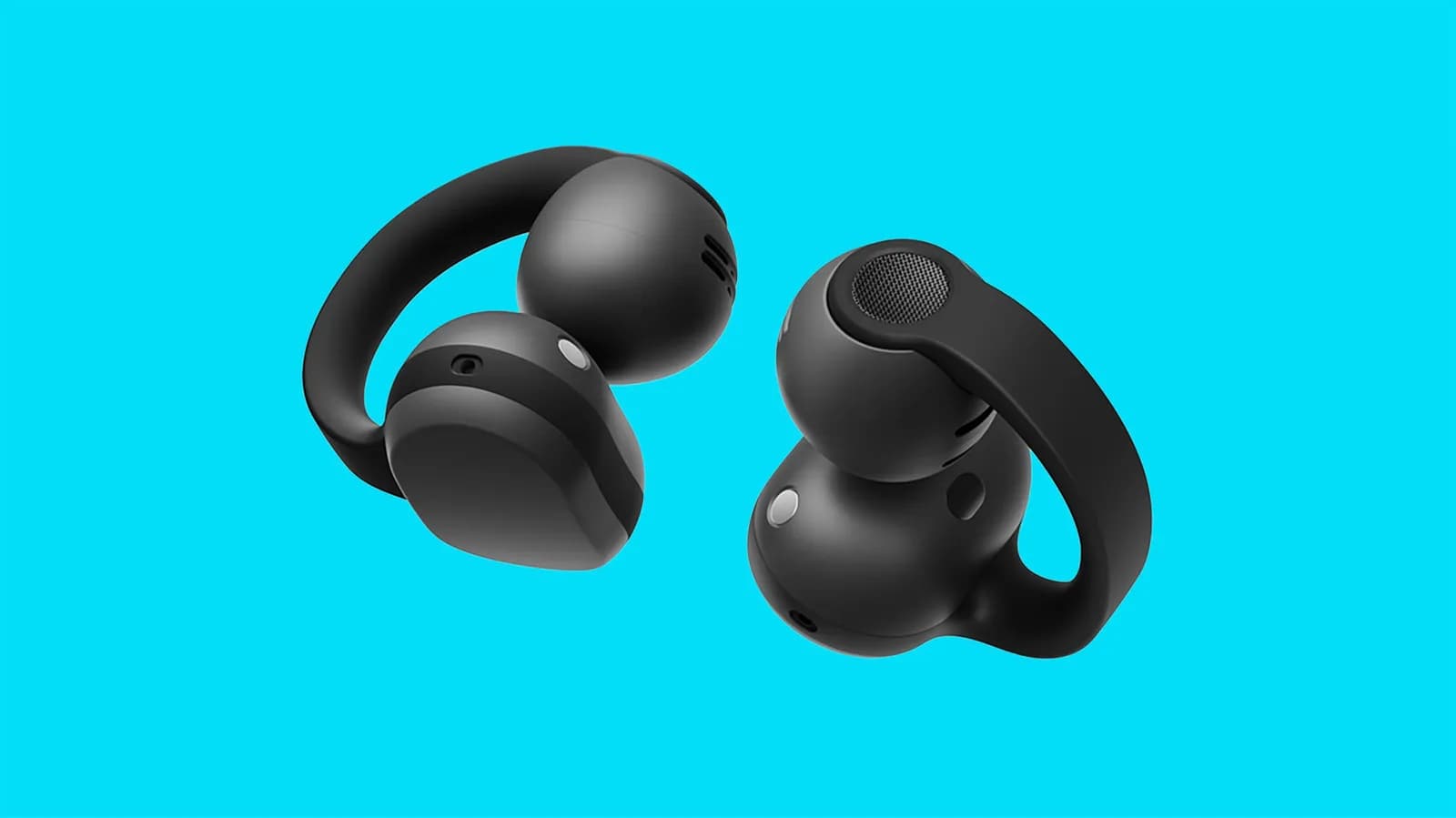
Reimagining the Personal Audio Form Factor
The consumer audio market has long been dominated by two primary wearable designs: traditional in-ear monitors that form a tight acoustic seal, and open-ear stems that rest lightly against the ear canal. Samsung is now looking to disrupt this duopoly with the introduction of its very first clip-on style earbuds, debuting initially in its home market of South Korea. This alternative approach targets users who require spatial awareness, comfort during prolonged wear, and a secure physical attachment without the pressure associated with silicone or foam ear tips.
Clip-on designs are not entirely brand new to the broader audio landscape, but major tier-one manufacturers have historically approached them with caution. By throwing its weight behind this niche form factor, Samsung is validating consumer demand for open-listening devices that blend seamlessly into daily routines. As remote work, hybrid lifestyles, and all-day device connectivity continue to grow, hardware engineers are under pressure to design peripherals that do not cause listener fatigue or completely isolate the wearer from their surroundings.
Design Mechanics and Ergonomic Engineering
Engineering a reliable clip-on earbud presents unique mechanical challenges compared to traditional wireless pods. The device must exert just enough clamping force to remain securely attached to the outer ear during physical movement, yet remain comfortable enough for hours of continuous use without causing pinching or localized pain. This balance requires advanced materials science, utilizing lightweight alloys and flexible polymers that distribute pressure evenly across the cartilage.
Furthermore, because clip-on earbuds do not sit inside the ear canal, acoustic engineers must overcome significant physics hurdles to deliver rich sound quality. Without passive noise isolation, sound waves naturally leak into the environment, requiring sophisticated directional audio drivers and digital signal processing algorithms to project sound directly into the ear. Software optimization plays a crucial role here, compensating for the lack of a tight seal by dynamically boosting certain frequencies based on environmental noise levels.
The Growing Demand for Situational Awareness
One of the primary drivers behind the pivot toward open-ear and clip-on audio devices is safety and situational awareness. Traditional active noise cancellation and deep in-ear seals effectively isolate users from urban environments, making it hazardous to navigate city streets, cycle, or work in collaborative office spaces. Consumers increasingly want the soundtrack of their lives without completely tuning out the world around them.
This shift reflects a broader philosophy in consumer technology hardware: ambient computing. Rather than locking users inside a digital bubble, modern accessories strive to augment reality gently. Whether a user is listening to a podcast while running errands or taking back-to-back conference calls while listening for household interruptions, clip-on earbuds offer a compelling middle ground between traditional headphones and bone-conduction gear.
Ecosystem Integration and Smart Connectivity
Hardware form factors are only as good as the software ecosystems supporting them. For Samsung, launching a new style of wearable is tightly coupled with how well it integrates into the existing Galaxy ecosystem. Seamless device switching, low-latency audio codecs, and deep integration with voice assistants are mandatory expectations for modern flagship audio products.
Developers working on companion applications for these devices must account for unique firmware requirements, such as custom touch controls mapped to the smaller surface area of a clip-on chassis. As these devices roll out globally, developers and product designers will be closely monitoring how users interact with the hardware controls and whether software updates can further optimize acoustic performance and battery management in such a compact physical footprint.
Global Market Strategy and Industry Response
While the initial launch is restricted to South Korea, Samsung's strategic rollout plan points toward an inevitable global expansion. Releasing new hardware concepts in a domestic test market allows the company to gather vital telemetry, user feedback, and refine manufacturing yields before scaling up for international markets. Competitors in the space will undoubtedly watch adoption rates closely to determine if clip-on designs represent a passing fad or a lasting category shift.
If consumer reception proves strong, we can expect rival consumer electronics brands to accelerate their own research and development pipelines for similar clip-on form factors. The audio market is notoriously saturated with lookalike products, making genuine design innovations a welcome differentiator for consumers who are fatigued by incremental spec bumps.
Looking Ahead: The Future of Wearable Audio
The introduction of Samsung's clip-on earbuds highlights a healthy willingness among major tech giants to experiment with form factors. As miniaturization improves and battery efficiencies increase, hardware designers have more freedom to explore ergonomic designs that prioritize user comfort and safety over legacy paradigms.
For developers, audio engineers, and tech enthusiasts alike, watching the evolution of wearable technology remains a fascinating exercise in balancing hardware constraints with user experience. As the global rollout details emerge in the coming months, the real test will be how well this ambitious design translates to everyday consumer habits across diverse global markets.
Source: engadget.com