
The Data Center Boom Meets Climate Realism: A Developer’s Dilemma

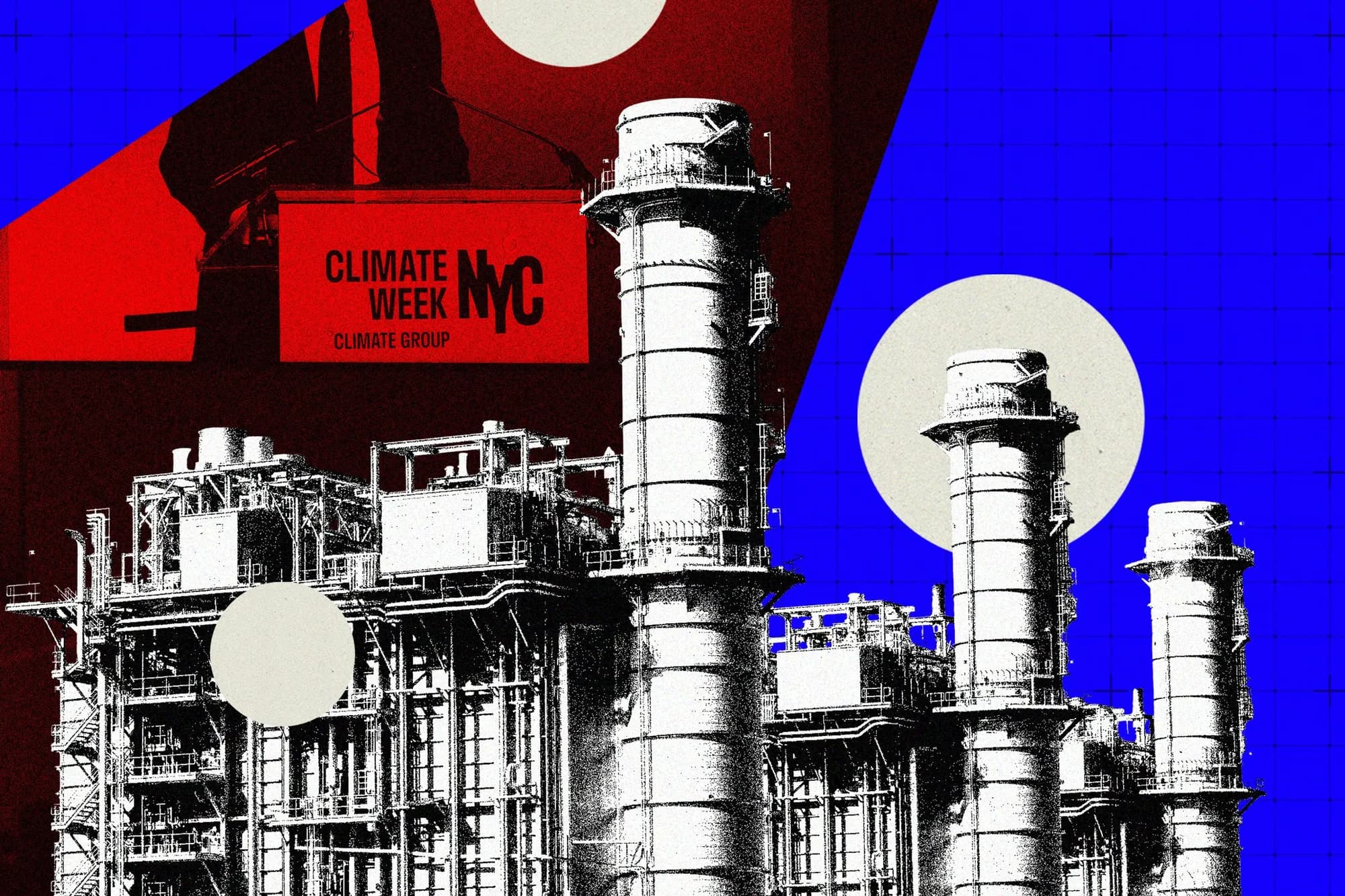
The Great Compute Expansion and Its Environmental Toll
The rapid acceleration of artificial intelligence has triggered a frantic land grab for power and real estate. Technology giants are rushing to construct massive data centers capable of housing thousands of specialized accelerators, turning quiet suburban peripheries and rural counties into the new frontier of global computation. Yet, this infrastructural boom comes with an immense hidden cost: a staggering appetite for electrical power and a corresponding surge in carbon emissions that threatens to unravel decades of corporate sustainability pledges.
For years, software engineers and infrastructure architects could treat electricity as a virtually limitless, abstract resource abstracted away by cloud providers. Today, the physical reality of the power grid is colliding with software demands. As data center clusters scale from megawatts to gigawatts, the sheer scale of fossil fuel generation required to keep them humming has forced a uncomfortable conversation across the tech sector. The infrastructure powering the next generation of code is increasingly tethered to the very carbon economy we are trying to leave behind.
Local Opposition Meets Global Climate Strategy
While environmental advocates have long tracked the macro-level carbon footprint of the tech industry, the current backlash is largely localized. Communities near proposed data center sites are pushing back fiercely against noise pollution, massive water consumption for cooling systems, and the aesthetic blighting of rural landscapes. Climate organizations are now attempting to harness this grassroots local resistance, channeling neighborhood-level frustration into a broader critique of global data center expansion and its atmospheric consequences.
However, translating localized grievances into a cohesive climate movement remains a significant hurdle. Residents fighting a facility in their backyard are often motivated by immediate quality-of-life concerns rather than abstract carbon accounting metrics. Bridging this gap—connecting the hum of local substation upgrades to global climate degradation—is the central challenge facing environmentalists who want to transform NIMBY opposition into a systemic reckoning over how we power our digital future.
The Illusion of Corporate Green Tariffs
For a long time, major tech companies managed to soothe public and investor anxieties through renewable energy credits and corporate power purchase agreements. By funding wind and solar farms located hundreds of miles away, these firms claimed to operate on 100% renewable energy. The reality of modern grid physics, however, exposes the limitations of this accounting trick. Even if a company buys enough remote solar generation on paper, the physical data center running heavy workloads at midnight is drawing power from the local mix—frequently coal or natural gas.
This disconnect has exposed the fragility of current corporate sustainability models. When a new hyper-scale facility forces a regional grid operator to keep a retired coal-fired plant online—or worse, build a new gas turbine plant to maintain baseline reliability—the net carbon impact is undeniably negative, regardless of how many distant solar panels the tech firm subsidizes. Developers and systems architects are thus confronted with an uncomfortable truth: software efficiency alone cannot outrun the laws of thermodynamics and regional grid constraints.
Why This Matters for Software Engineers
It is easy for application developers working miles away from server racks to view hardware infrastructure as someone else's problem. Yet, the shifting environmental economics of computing will inevitably trickle down to how software is designed and deployed. As power constraints tighten and carbon tracking becomes more rigorous, energy efficiency is transitioning from a backend optimization nice-to-have to a core architectural constraint. Algorithms that are computationally wasteful will face increasing scrutiny not just for their cloud compute bills, but for their carbon footprint.
Furthermore, developers may soon find themselves working within organizations that must actively manage when and where workloads execute based on grid carbon intensity. Concepts like carbon-aware computing—shifting batch jobs to times of day when renewable generation peaks or routing traffic to regions powered by hydro or nuclear energy—are moving from academic research papers into production environments. Understanding the carbon cost of compute is becoming just as essential as tracking latency or memory leaks.
Navigating the Path Forward: Nuclear, Storage, and Efficiency
Solving the data center energy crisis will require more than incremental efficiency gains; it demands a wholesale reimagining of how technology companies procure and manage power. Already, major tech firms are exploring direct investments in advanced nuclear reactors, geothermal energy, and next-generation battery storage systems to secure reliable, zero-carbon baseload power. These capital-intensive bets signal that the industry recognizes its current trajectory is environmentally and politically unsustainable.
At the same time, hardware manufacturers are racing to build more energy-efficient silicon, and systems engineers are optimizing machine learning models to require fewer floating-point operations. Yet, efficiency gains historically lead to increased usage—a phenomenon known as Jevons paradox—where making something cheaper and greener simply encourages us to build larger models and run more computations. Breaking this cycle will require structural alignment between regulators, grid operators, and technology leaders.
Conclusion: A Reckoning We Can No Longer Postpone
The collision between data center expansion and climate reality is no longer a theoretical risk on a distant horizon; it is happening right now in zoning boards, legislative chambers, and utility commission hearings. While the current wave of public opposition is fragmented, it serves as an early warning sign for an industry accustomed to rapid, frictionless scaling. For software developers and tech executives alike, the takeaway is clear: the future of technology innovation is inextricably linked to the health of our energy grid, and ignoring the atmospheric cost of compute is no longer an option.
Source: wired.com