
The Foldable Dilemma: Why Protecting Flexible Displays Is an Engineering Minefield

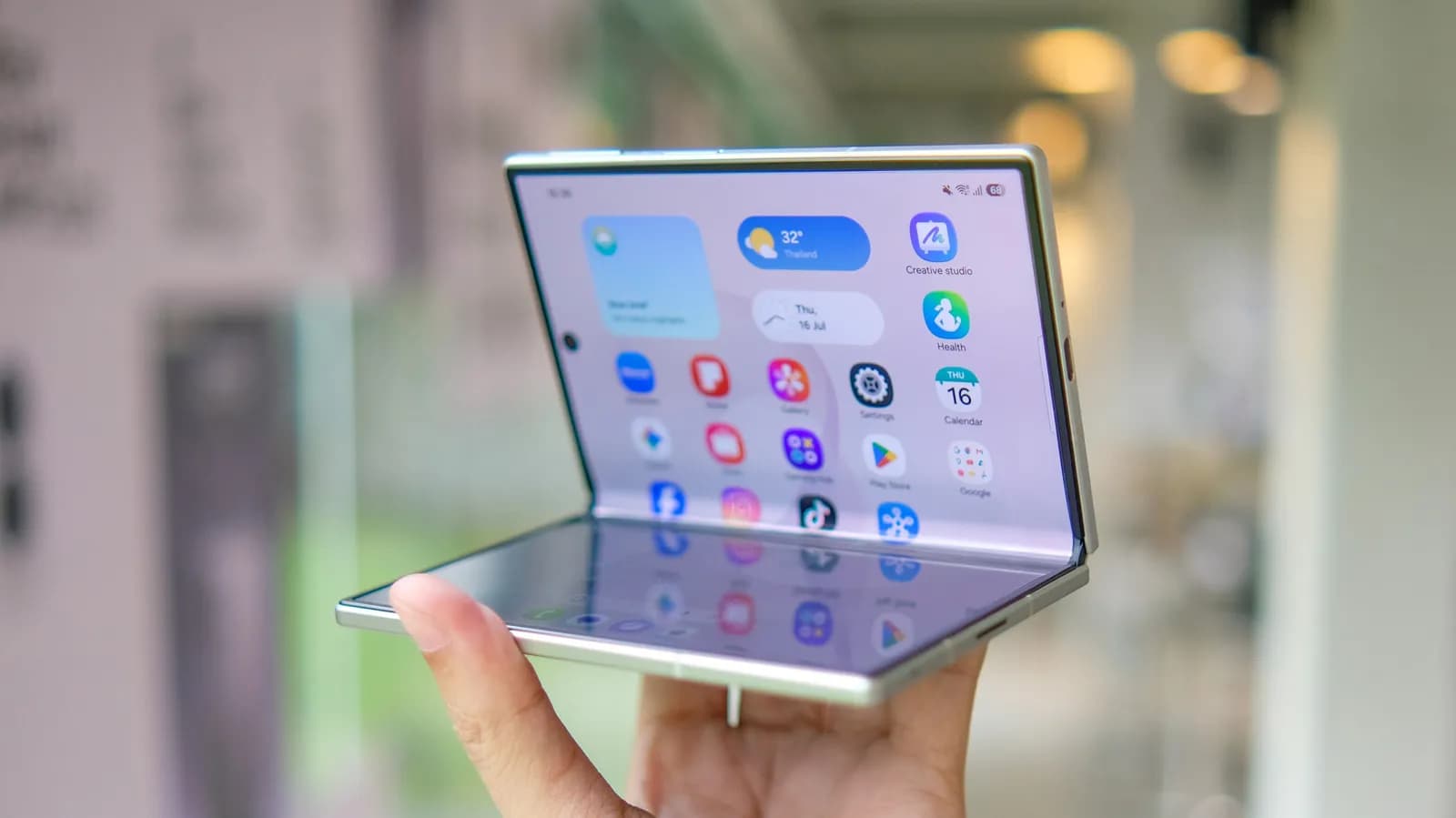
For well over a decade, applying a tempered glass or plastic film screen protector has been almost instinctive for new smartphone owners. The moment a pristine glass slab emerges from its packaging, users rush to seal it beneath an extra layer of defense against accidental drops, keys in pockets, and micro-abrasions. However, the rise of foldable devices has completely disrupted this conventional wisdom. What was once a straightforward accessory purchase has evolved into an intricate engineering quandary that challenges our fundamental assumptions about device durability.
The Architecture of Flexible Displays
To understand why screen protectors are so problematic on foldable hardware, one must first examine how these panels are constructed. Traditional smartphones rely on rigid, chemically strengthened glass—such as Corning Gorilla Glass—that resists deflection while offering high surface hardness. Foldable devices, by contrast, demand materials that can withstand hundreds of thousands of bending cycles without fracturing, creasing permanently, or delaminating under mechanical stress.
Achieving this level of flexibility requires an ultra-thin composite stack. Manufacturers utilize Ultra Thin Glass (UTG) or specialized polyimide polymers that measure only a fraction of the thickness of standard smartphone glass. Because these materials are inherently thinner and softer at the outermost boundary, original equipment manufacturers (OEMs) pre-install a proprietary protective film at the factory. This factory-applied layer is not merely an optional cover; it is an active structural component engineered to distribute mechanical strain evenly across the crease line during folding and unfolding operations.
The Perils of Aftermarket Protectors
The core problem with aftermarket screen protectors stems from mismatched mechanical properties. When a third-party accessory manufacturer creates an adhesive plastic film or attempts a semi-flexible glass overlay, it rarely matches the micro-elasticity and adhesive shear strength of the phone maker's native stack. Applying an additional layer of material introduces an artificial stiffness gradient that can alter the bend radius of the hinge mechanism.
When a foldable phone shuts, the inner display experiences compressive forces along the interior radius and tensile forces on the exterior. An uncertified secondary layer can concentrate these stresses rather than diffusing them. In the worst-case scenarios, the extra thickness puts undue pressure on the hinge gears and panel edges, leading to premature stress fractures, display blackouts, or damaged OLED substrates that render the screen unusable.
Furthermore, the adhesives used in off-the-shelf screen protectors pose a severe threat when removal is attempted. Removing a strongly adhered third-party protector can inadvertently strip off the factory-installed protective layer or cause localized delamination of the UTG beneath it. Major manufacturers have repeatedly updated their user guidelines and warranty policies to caution against installing unapproved films, often warning that doing so can void the device's warranty altogether.
Exterior Versus Interior: A Tale of Two Screens
The screen protector equation changes dramatically depending on which display is being discussed. Modern foldables, whether book-style or clamshell form factors, feature two distinct screens: a rigid outer cover screen and an expansive flexible inner screen. Differentiating between these two surfaces is essential for users attempting to safeguard their investments.
The outer cover display behaves like any conventional smartphone screen. It uses rigid, thick tempered glass and does not articulate or flex. For this outer surface, consumers can safely apply standard tempered glass protectors, liquid coatings, or matte films without worrying about mechanical interference. The hinge mechanism does not touch this exterior display during movement, meaning tolerances are standard and risks are low.
The inner flexible display, however, must be treated with extreme caution. If the pre-installed factory protector begins to peel, bubble, or lift near the crease—a common wear-and-tear issue after months of heavy usage—users should avoid DIY replacements. Certified service centers utilize specialized alignment jigs and proprietary adhesives to replace these films under cleanroom conditions, ensuring that no trapped debris or uneven tension damages the sensitive OLED panel underneath.
What This Means for Mobile Engineers and UX Designers
The fragile nature of flexible displays has far-reaching consequences beyond consumer maintenance; it actively shapes mobile application development and hardware integration. Software developers building for foldable form factors must account for the physical constraints of these dynamic displays. When devices feature protective coatings that are softer than standard glass, touch interactions feel distinctively different, exhibiting slightly higher friction or micro-give under fingernail pressure.
Applications that rely on rapid, high-pressure gestures, stylus input, or continuous swiping across the fold axis must accommodate these hardware realities. Developers building productivity or creative apps must optimize for pen latency while adhering to OEM guidelines regarding input pressure thresholds. Many foldable manufacturers restrict stylus compatibility strictly to pens with retractable, spring-loaded tips to avoid denting the polymer stack, requiring software to intelligently distinguish between supported styluses and uncalibrated touch events.
Additionally, hardware manufacturers are continually adjusting sensor arrays around the perimeter of the inner screen. Proximity sensors, micro-bezels, and under-display cameras are placed with razor-thin tolerances. When users inadvertently install ill-fitting third-party protectors that overhang the display edges, they can trigger false sensor inputs, impede fold-detection switches, or disrupt dynamic app continuity when transitioning between folded and unfolded states.
Material Science Innovations on the Horizon
The industry recognizes that the current fragility of foldable displays remains one of the largest obstacles to mainstream consumer adoption. Chemical engineers and material scientists are aggressively researching next-generation composites designed to eliminate the need for delicate polymer top layers entirely. Promising avenues include self-healing elastomeric polymers that can repair micro-scratches at room temperature through reversible chemical bonds.
Another area of rapid advancement is the evolution of Ultra Thin Glass composition. Researchers are exploring chemically tempered glass formulations that increase surface hardness without sacrificing bend elasticity. By altering the ion-exchange bath chemistry and incorporating specialized ceramic nanocrystals, future iterations of UTG may match the scratch resistance of traditional Gorilla Glass while bending comfortably around a teardrop hinge. If these breakthroughs succeed, the factory film could eventually be phased out, giving foldables the same rugged exterior feel as rigid flagship phones.
The Long-Term Outlook for Foldable Durability
As the foldable smartphone market matures, consumer expectations are shifting from novel curiosity to demanding enterprise-grade longevity. The initial wave of early adopters was willing to tolerate delicate screens, peculiar care instructions, and strict prohibitions against simple accessories like screen protectors. However, reaching the broader consumer market requires hardware that can endure daily life without requiring white-glove treatment.
Until self-healing or ultra-hard flexible substrates become commercial reality, the golden rule for foldable phone maintenance remains simple: leave the inner display alone. Protecting the device comes down to choosing protective cases with robust hinge shielding, avoiding sharp objects, and relying solely on official manufacturer channels for screen repairs. The foldable revolution is redefining personal computing, but mastering the physics of flexible surfaces is a marathon that the tech industry is still running.
Source: engadget.com