
The Kindle Aluminum (2026): Engineering Premium Hardware for the E-Reader Crowd

Introduction to the Premium E-Reader Market
For over a decade, the standard trajectory of consumer e-readers has leaned toward cost-reduction, lightweight plastics, and incremental screen technology upgrades. Manufacturers treated these devices as utilitarian windows into digital libraries, prioritizing battery endurance and screen clarity above all else. Yet, as dedicated reading hardware carves out an enduring, resilient niche among tech enthusiasts and avid readers alike, a counter-trend has emerged. Companies are beginning to experiment with luxury materials, treating devices like the Kindle Aluminum as high-end artifacts rather than disposable gadgets.
This shift brings fascinating design and manufacturing challenges. When engineers swap out reinforced polycarbonate for machined metal, they must solve complex thermal, structural, and wireless transmission puzzles. This review-driven analysis explores what the Kindle Aluminum represents for hardware engineering, user expectations, and the broader debate over whether premium form factors can justify a steeper price tag in a category defined by long device lifecycles.
The Engineering Challenge of Metallic E-Readers
Designing a unibody aluminum chassis for an e-reader is fundamentally different from building a laptop or a smartphone. Smartphones and laptops incorporate massive batteries and high-wattage processors that demand thermal dissipation, making metal an absolute functional requirement. An e-reader, conversely, draws negligible power during static reading sessions and requires virtually zero active cooling. Introducing aluminum to this architecture is primarily an aesthetic and tactile choice, yet it introduces significant engineering hurdles.
Chief among these hurdles is wireless connectivity. Aluminum blocks or severely degrades radio frequency signals, meaning engineers have to meticulously carve out composite window sections or clever antenna pass-throughs to maintain Wi-Fi and Bluetooth reliability. Furthermore, metal adds density. While manufacturers strive to keep the device light enough for comfortable one-handed reading over long stretches, finding the precise balance between structural rigidity and featherlight portability requires advanced metallurgy and CNC milling precision.
Aesthetics, Tactility, and the Blue Finish Phenomenon
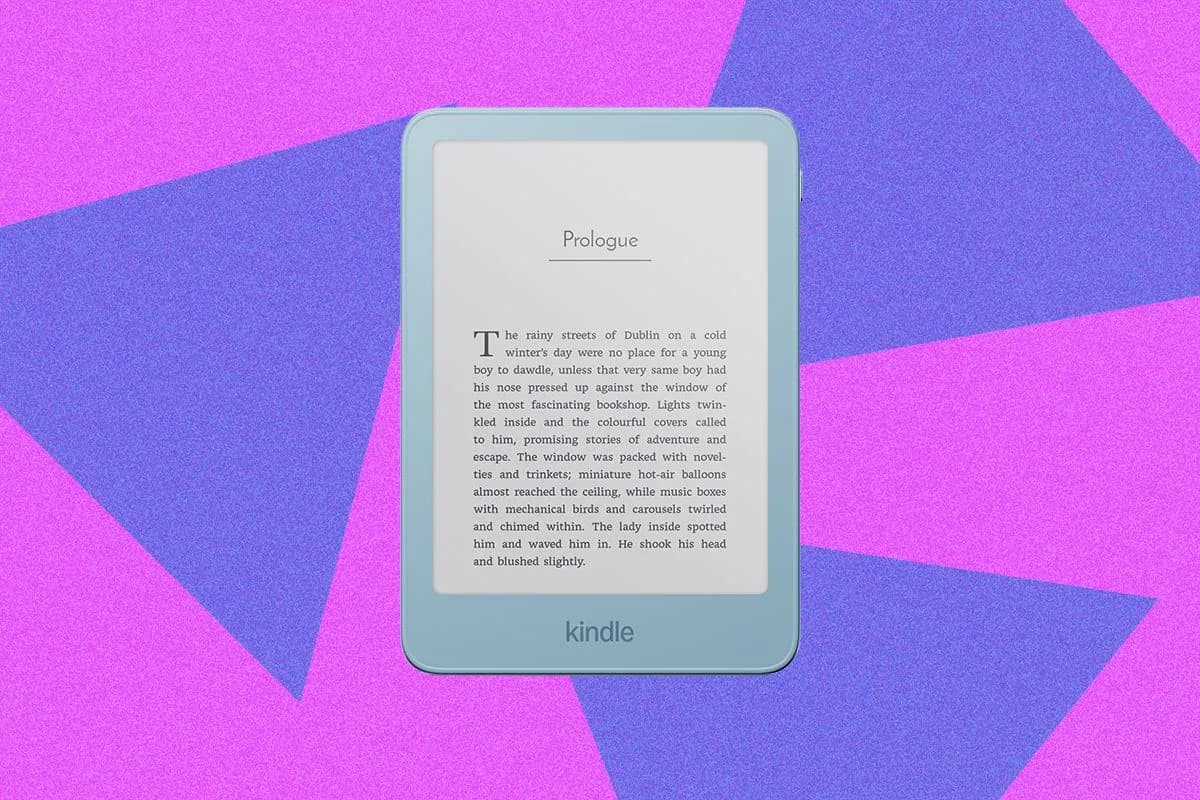
The standout characteristic of the Kindle Aluminum is undeniably its visual and physical presence. Moving away from matte black or charcoal plastics, the introduction of sophisticated colorways—most notably a striking, deep blue finish—transforms the device from a plain appliance into a polished piece of consumer hardware. The anodized texture offers a cool-to-the-touch sensation and a sense of permanence that plastic simply cannot replicate.
In practice, this tactile upgrade alters the psychological relationship between the user and the technology. Premium materials convey a sense of craftsmanship that invites appreciation even when the screen is asleep or displaying a screensaver. However, this aesthetic victory brings its own caveats. A pristine metal finish can be prone to micro-scratches over time if tossed into bags alongside keys or charging cables, forcing owners to weigh the joy of naked-metal handling against the practical need for protective covers.
The Core Reading Experience: Continuity vs. Disruption
Beneath the polished exterior, the software and core reading mechanics of the Kindle Aluminum remain largely aligned with mainstream siblings in the product lineup. E-paper technology evolves at a measured pace, meaning contrast ratios, page-turn speeds, and front-light uniformity across this luxury model mirror what consumers already experience on mid-tier hardware. This creates a fascinating paradox for prospective buyers.
For someone upgrading from a heavily battered device that is several generations old, the combination of a high-end chassis and modern internal improvements represents a compelling total package. For users holding a fully functional, relatively recent Kindle, the reading experience itself offers virtually zero functional delta. The text is rendered with identical clarity, and the battery life remains stellar in both. The premium price point is thus paid almost entirely for the exterior housing and the prestige of luxury build quality.
Market Position and the Economics of Long-Lifecycle Hardware
E-readers occupy a unique corner of consumer electronics because they possess exceptionally long device lifecycles. Unlike smartphones, which are routinely cycled every two to three years due to software obsolescence or battery degradation, an e-reader can easily remain fully functional for a decade. Books change formats slowly, reading software requires minimal processing overhead, and batteries hold up well under low-drain use cases.
Pricing a luxury e-reader requires navigating this unique economic reality. When a consumer invests significantly more upfront for an aluminum build, they are making a multi-year bet on the durability and timelessness of that specific design. Manufacturers must convince buyers that an upscale chassis provides enough daily satisfaction to warrant the financial premium, especially when the underlying digital bookstore and reading software ecosystems remain completely identical across cheaper hardware tiers.
Industry Implications and What Comes Next
The arrival of premium-tier e-readers signals a broader maturation of the reading hardware market. Just as mechanical keyboards evolved from cheap office peripherals into bespoke, aluminum-framed enthusiast items, single-purpose reading devices are finding success by catering to users who value premium craftsmanship. This trend suggests that consumer tech does not always have to chase higher clock speeds or AI integrations to justify higher price points; sometimes, exceptional industrial design and materials engineering are enough.
As competitors observe the reception of metal-clad e-readers, we are likely to see more experimentation with sustainable luxury materials, alternative finishes, and ergonomic refinements. Even if these devices remain luxury options rather than mass-market defaults, they push the baseline expectations of industrial design upward across the entire consumer electronics landscape.
Closing Takeaway
The Kindle Aluminum is a masterclass in hardware craftsmanship that proves luxury finishes can successfully migrate to e-readers. While it introduces no functional breakthroughs to the actual act of reading, its gorgeous finish and premium build satisfy the tactile desires of enthusiasts willing to pay for aesthetic excellence in their everyday carry.
Source: wired.com