
The Longevity of Valve's Steam Deck: A Developer and Player Perspective

Introduction to the Handheld Revolution
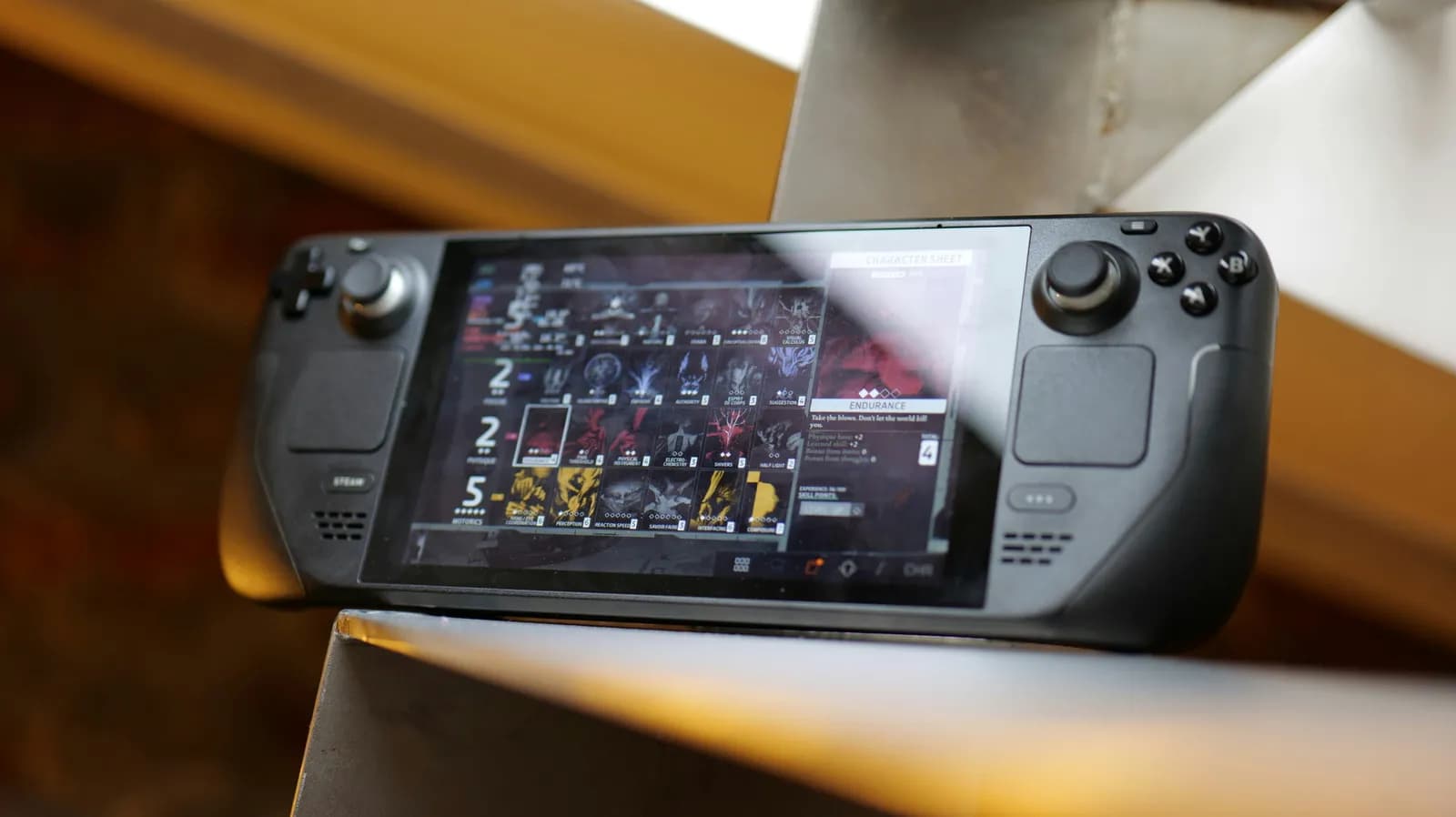
When Valve introduced the Steam Deck, it fundamentally shifted how the industry viewed portable PC gaming. Instead of locking players into a proprietary walled garden, Valve delivered an open, highly repairable Linux-based handheld that effectively put a gaming rig in the palms of users' hands. Years after its initial debut, the device remains a massive success, but a natural question arises among owners and prospective buyers: how long can the first-generation hardware realistically stay relevant in a rapidly evolving tech landscape?
As new generations of silicon emerge and game engines push graphical fidelity to new extremes, the original Steam Deck faces mounting performance pressures. Yet, thanks to clever software optimization, a dedicated community, and Valve's commitment to user-serviceable design, the device's lifespan might far exceed initial expectations. Understanding its staying power requires looking at how hardware, software ecosystem, and modern development standards intersect.
Hardware Durability and Repairability
One of the standout design philosophies behind the Steam Deck was Valve’s emphasis on hardware longevity through repairability. Unlike many contemporary consumer electronics sealed with heavy adhesives and proprietary screws, the Steam Deck was engineered with replacement parts in mind. Valve partnered with independent parts distributors to ensure that everyday users could easily source thumbsticks, batteries, and screens, significantly lowering the barrier to extending the physical life of the device.
Beyond physical repairs, the internal components have aged remarkably well given the constraints of a handheld form factor. While the custom AMD APU powering the device cannot compete with high-end desktop GPUs or even newer handheld chipsets, its balanced architecture avoids thermal throttling in most standard use cases. The inclusion of unified memory architecture and efficient power profiles ensures that the device still handles daily computing tasks and moderate gaming without excessive battery degradation.
The Software Advantage: Proton and Linux
Hardware is only half the equation; the real magic keeping the Steam Deck viable lies in its software. SteamOS, powered by Valve's Proton compatibility layer, allows Windows-first games to run seamlessly on a Linux environment. This translation layer constantly receives updates, bringing performance improvements, bug fixes, and compatibility for newly released titles without requiring any hardware upgrades from the user.
Valve’s iterative approach to software optimization means that older hardware frequently benefits from modern software breakthroughs. Features originally developed for newer hardware revisions or desktop Linux environments routinely trickle down to the original Steam Deck. This continuous refinement squeezes extra frames out of the aging silicon, proving that software-level efficiency can sometimes matter more than raw brute-force processing power.
Implications for Game Developers
For game developers, the original Steam Deck has established a critical baseline performance target. Just as consoles dictate optimization goals for console-first releases, the Steam Deck serves as a litmus test for PC optimization. If a title runs well on the base Steam Deck, it is likely to run smoothly across a vast array of mid-tier PC hardware and competing handheld devices.
This dynamic encourages studios to prioritize scalable engines, robust graphics settings, and efficient resource management. Developers who test their titles against the original Steam Deck ensure their games remain accessible to a massive, highly engaged user base. Consequently, even as AAA games become heavier, developers are incentivized to maintain compatibility with the hardware's constraints, indirectly prolonging the device's lifespan.
Limitations and the Reality of AAA Gaming
Despite impressive optimization efforts, physics and thermal limits dictate that the original Steam Deck cannot defy hardware aging forever. Modern AAA releases relying heavily on advanced ray tracing, heavy reliance on upscaling technologies, and massive uncompressed asset streams routinely push the Gen 1 APU to its absolute limits. Players targeting cutting-edge, newly released blockbusters will inevitably notice lower frame rates or mandatory graphical compromises.
However, the definition of a viable gaming machine extends far beyond playing the absolute heaviest, most demanding titles on day one. The Steam Deck excels as an indie game machine, an emulation powerhouse, and a phenomenal tool for tackling massive backlogs of slightly older or less resource-intensive games. For these use cases, the original hardware remains practically unmatched in value and convenience.
Looking Ahead: The Future of Handheld Gaming
The success of the Steam Deck has triggered an entire ecosystem of competing handheld PCs, accelerating innovation across the board. While this means the original device is no longer the undisputed king of performance, it has cemented a standard for what users expect from portable gaming devices: openness, repairability, and seamless integration with digital storefronts.
Valve has demonstrated that hardware longevity is not just about raw specs, but about building an ecosystem that supports the device long after it leaves the assembly line. As long as software updates continue and developers keep optimization in mind, the first-generation Steam Deck will remain a beloved staple of mobile computing.
Conclusion
Ultimately, the lifespan of the original Steam Deck depends largely on user expectations. If the goal is to play every upcoming graphically intensive blockbuster at maximum settings, the hardware will inevitably show its age. But for indie titles, emulation, older backlog classics, and general portable utility, the original Steam Deck has plenty of life left in it.
By combining thoughtful hardware repairability with aggressive software optimization via SteamOS and Proton, Valve has created a device that defies rapid planned obsolescence. For developers and gamers alike, the original Steam Deck stands as a shining example of how sustainable, open hardware design can outlast traditional product cycles.
Source: engadget.com