
The Next Era of Foldables: How Apple and Xiaomi's Diverging Philosophies Reshape Mobile Hardware

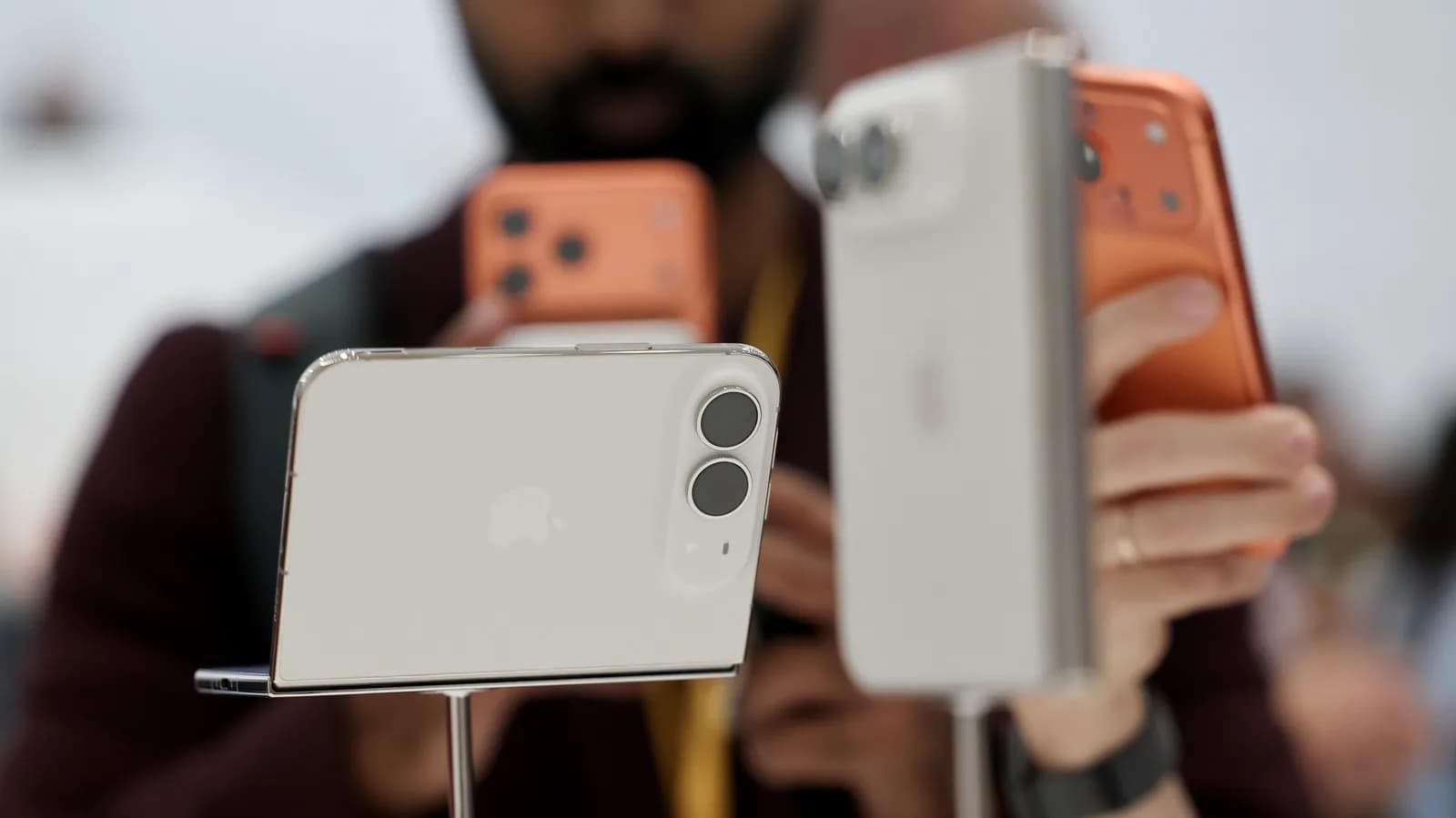
The Evolution of the Foldable Frontier
Over the past half-decade, foldable smartphones have progressed from fragile, niche proof-of-concept devices into capable luxury flagships. What began with early hinge failures and plastic display creases has matured into sophisticated mechanical engineering. Today, the conversation around foldable devices is no longer simply about whether flexible glass can survive daily folding, but how the form factor fundamentally transforms the mobile user experience and software design paradigms.
As competition intensifies, manufacturers are taking drastically different approaches to solving the core dilemmas of folding hardware: balancing thinness with battery capacity, maximizing screen real estate without introducing unwieldy bulk, and designing hinge systems that resist debris while maintaining structural rigidity. The clash between Apple’s rumored, highly measured entry into flexible hardware and Xiaomi’s aggressive, rapid-iteration release cadence illustrates two competing philosophies shaping the future of mobile computing.
Design Architectures: Single Flexible OLED vs. Dual-Screen Precision
At the center of any foldable comparison lies the fundamental choice of mechanical architecture. On one side stands the book-style inward-folding approach refined across multiple generations of Android hardware, exemplified by manufacturers pushing the absolute physical limits of chassis thinness and weight reduction. These designs rely on a single continuous flexible OLED panel that bends around a droplet-shaped hinge cavity, minimizing the visible crease while allowing the device to fold completely flat when closed.
Conversely, alternative paradigms—ranging from dual-screen concepts to ultra-complex internal tension hinges—reflect a different set of priorities. When conceptualizing how an ecosystem like Apple's might approach the category, industrial design often favors structural integrity and uncompromising tactile feedback over sheer compactness. A design engineered around strict internal tolerances often requires proprietary metallurgy and custom glass formulations, choosing to sacrifice a few millimeters of thickness in exchange for uniform resistance across thousands of opening and closing cycles.
Display Technologies and Crease Management
The display remains the most critical and vulnerable component of any folding device. Modern high-end foldables rely on Ultra-Thin Glass (UTG) layered beneath protective polymer substrates, supported by carbon-fiber or titanium structural plates. While early generations exhibited deep, tactile creases along the hinge axis, cutting-edge engineering utilizes teardrop hinge geometries that allow the panel to curve gently into the chassis rather than bending at an acute angle.
However, the pursuit of an invisible crease introduces new trade-offs in optical clarity and structural resilience. High-refresh-rate LTPO panels must maintain uniform color calibration, brightness, and polarization across both halves of the fold, even as the center undergoes repeated physical strain. Xiaomi and other early innovators have prioritized pushing peak brightness levels and ultra-thin external cover displays to match traditional slab phones, whereas more conservative engineering approaches focus heavily on reducing internal micro-fractures and preventing long-term panel delamination over multiple years of typical ownership.
Durability, Ingress Protection, and Mechanical Longevity
For mainstream consumers and enterprise professionals alike, durability remains the single greatest hesitation preventing widespread foldable adoption. Traditional smartphones have enjoyed near-universal IP68 dust and water resistance for years, but hinges require mechanical gaps, moving gears, and complex sweeps that are inherently susceptible to micro-particulates and moisture ingress.
Recent breakthroughs in internal sealing, anti-corrosion lubricants, and microscopic brushes have closed this gap significantly. Leading-edge devices increasingly achieve robust water resistance, but dust exclusion remains an intricate puzzle. The choice between lightweight composite hinges and heavy-duty titanium alloys directly affects long-term reliability. A hinge that loses its frictional torque after twelve months compromises the entire user experience, turning split-screen kickstand modes and angled desktop orientations into frustrating wobbles.
The Software Paradigm: iOS Multitasking vs. Android Freeform Windows
Hardware without purposeful software is merely an expensive novelty. The true battleground for foldable dominance takes place in the operating system, where developers must navigate the transition from standard mobile viewports to tablet-sized aspect ratios on the fly. In the Android ecosystem, vendors have spent years fine-tuning custom desktop-like skins, floating window managers, and split-screen app pairing to take full advantage of interior displays.
For developers, building for diverse aspect ratios requires embracing modern declarative UI frameworks, responsive breakpoints, and dynamic layout reflows. If a device changes its physical dimensions mid-session, the application must preserve its state, resize seamlessly without reloading, and optimize touch targets for either one-handed thumb navigation or two-handed tablet ergonomics. An operating system with strict, uniform developer guidelines has the potential to bring unparalleled cohesion to foldable apps, but it must catch up to the sheer flexibility and open multitasking workflows that Android has nurtured across multiple iterations.
Developer Implications: Building for Dynamic Viewports
The rise of folding hardware places new demands on mobile software engineers. Gone are the days when developers could design around a fixed set of screen dimensions and predictable aspect ratios. Modern application architectures must treat the physical screen not as a static canvas, but as an elastic environment capable of expanding, splitting, or reorienting at any moment.
- Adaptive UI Layouts: Interfaces must dynamically shift between master-detail navigation panes, multi-column feeds, and expanded canvas modes without dropping state or interrupting user workflows.
- Posture-Aware States: Sensor APIs must accurately report hinge angles, enabling custom behaviors when a phone is half-folded—such as placing media playback controls on the lower half while rendering full-screen video on the upper half.
- Performance Optimization: Handling instantaneous window resizing requires efficient rendering pipelines, ensuring that complex views and graphics-heavy layouts re-render at smooth frame rates without stutter or visual artifacts.
Strategic Trajectories: Rapid Iteration vs. Mature Entry
The broader technology sector provides a clear case study in contrasting product strategies through this hardware rivalry. Chinese manufacturers like Xiaomi prioritize rapid market iteration, releasing yearly updates that incorporate cutting-edge materials, ultra-fast charging capabilities, and thinner mechanical profiles. This approach allows them to gather real-world telemetry, refine mechanical weaknesses in public, and capture early mindshare among enthusiasts.
In contrast, the strategy typified by ecosystem incumbents is to wait until manufacturing processes mature, supply chains stabilize, and production yields reach mass-market thresholds. By withholding an entry until ultra-thin displays and hinge durability meet the rigorous standards expected of premium flagships, a late entrant can avoid the painful growing pains suffered by early pioneers. However, waiting too long risks ceding technological leadership and developer loyalty in key international markets where foldables are already establishing deep roots.
The Road Ahead for Flexible Computing
Whether consumers favor the relentless hardware breakthroughs of Android specialists or the polished, tightly integrated software ecosystems of conservative tech giants, the foldable smartphone category has clearly reached an inflection point. The mechanical compromises that defined early generations are steadily evaporating, leaving behind powerful, versatile machines that bridge the gap between pocket handsets and productivity workstations.
As display chemistry advances and flexible battery tech catches up with mechanical engineering, folding devices will likely become the standard form factor for premium mobile computing. The winners of this transition will not just be the companies with the thinnest hinges or the brightest screens, but the platforms that convince developers and end users that having a tablet in their pocket fundamentally improves how they interact with digital tools every day.
Source: engadget.com