
The State of Gaming on macOS: Can Apple Silicon Finally Deliver for Developers and Gamers?

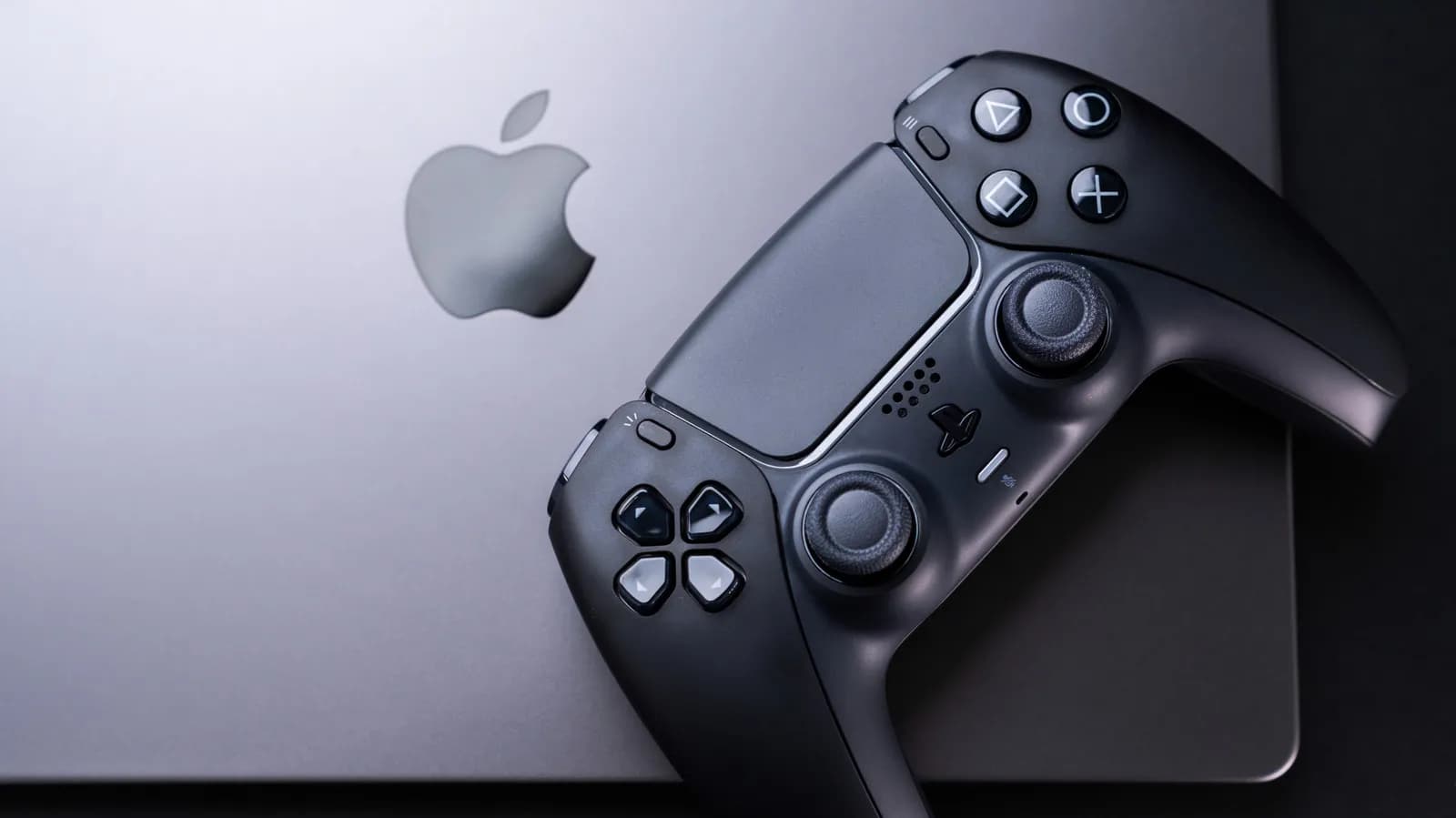
A Paradigm Shift in Apple's Gaming Ambitions
For decades, personal computers powered by macOS were largely written off by the gaming community. Apple's hardware was historically optimized for creative workflows like video editing, music production, and graphic design, while the gaming ecosystem gravitated heavily toward Windows and dedicated consoles. Historically, developers rarely prioritized macOS due to a fragmented hardware base, proprietary graphics APIs, and a relatively small market share among hardcore PC gamers. However, the introduction of Apple Silicon has fundamentally altered the conversation, turning Mac devices into surprisingly capable machines for certain titles.
This renaissance is not accidental. Apple has made concerted efforts to provide better tools, streamline hardware architectures, and attract major AAA publishers. By unifying the architecture across laptops and desktops through custom silicon, Apple has created a predictable, high-performing target for developers. Even so, the transition remains ongoing, and bridging the gap between a historically productivity-focused ecosystem and a demanding gaming powerhouse brings unique technical challenges that the industry is still working to solve.
The Hardware Evolution: Apple Silicon's Unified Memory Advantage
At the heart of the modern Mac gaming narrative is Apple Silicon—specifically the M-series chips ranging from base variants to the ultra-powerful Max and Ultra tiers. Unlike traditional x86 systems that separate CPU memory from discrete GPU VRAM, Apple utilizes a unified memory architecture. This design allows the CPU and GPU to share a single, high-bandwidth memory pool, which drastically reduces data transfer overhead and enables rapid asset loading directly into graphics memory.
From an engineering perspective, this unified approach yields impressive efficiency gains, especially in thermals and power consumption. Laptops can sustain respectable frame rates without sounding like jet engines or draining batteries in under an hour. Yet, this architecture also introduces constraints. Because memory is shared, heavy games competing with background system processes for the same RAM pool can occasionally hit bottlenecks that dedicated desktop GPUs with massive amounts of isolated VRAM do not encounter.
API Barriers: The Metal Transition and Translation Layers
One of the most significant technical hurdles for macOS gaming has been the graphics API landscape. While the industry standard largely revolves around DirectX 12 and Vulkan, Apple relies on its proprietary Metal API. For a game built for Windows to run on macOS, it must either be natively rewritten for Metal or run through a translation layer. To mitigate this friction, Apple introduced the Game Porting Toolkit, a translation environment designed to help developers quickly evaluate how well their existing Windows games might perform on macOS.
This translation toolkit has proven to be a game-changer for enthusiasts and developers alike. It handles instruction set conversion and API translation on the fly, allowing complex games to run with minimal code modifications during early testing phases. Nevertheless, translation layers inherently introduce performance overhead. While titles can run remarkably well, they rarely match the optimized performance of a native build tailored specifically to leverage Apple’s hardware features.
Developer Adoption and the Software Library Dilemma
Hardware capability is only one side of the equation; software availability remains the ultimate bottleneck for macOS gaming. Despite Apple's outreach, many major game studios remain hesitant to allocate resources for macOS native ports. Developing, testing, and supporting a game for a separate graphics API and ecosystem requires ongoing maintenance that many publishers do not view as financially viable given the smaller installed base of gamers on Mac.
Consequently, the Mac library consists of a fascinating mix of critically acclaimed native ports, cloud-streaming solutions, and titles running via translation tools. While marquee franchises occasionally land on the platform with great fanfare, day-one parity with Windows releases remains rare. For developers, deciding to support macOS often comes down to weighing the engineering effort required against the potential market expansion, a calculus that frequently favors focusing strictly on Windows and consoles.
Performance Realities: Where Macs Shine and Where They Struggle
When evaluating how a Mac handles heavy games today, context is everything. Casual titles, indie games, and heavily optimized esports staples run exceptionally well, often taking advantage of high-refresh-rate displays and efficient thermal management. Furthermore, older or moderately demanding AAA games ported by specialized studios demonstrate that Apple hardware is fully capable of pushing stunning visuals at high resolutions.
Conversely, extremely unoptimized titles or those relying heavily on cutting-edge ray tracing features and massive open-world asset streaming can expose the limits of macOS. Without active driver optimization from the publisher, even powerful M-series chips can experience stuttering, hitching, or thermal throttling during prolonged gaming sessions. Understanding these boundaries helps manage expectations, proving that while Macs are vastly improved gaming machines, they are not yet universal replacements for dedicated Windows gaming rigs.
The Future Horizon of Apple Ecosystem Gaming
Looking ahead, the trajectory of macOS gaming points toward gradual, steady growth rather than an overnight revolution. As Apple continues to iterate on its silicon and refine its developer toolsets, the friction of bringing games to the platform will continue to decrease. The intersection of mobile gaming on iOS and macOS via unified Apple Silicon architecture also opens up intriguing possibilities for cross-platform titles that scale seamlessly from a phone to a desktop.
For developers, keeping an eye on Apple's ecosystem is increasingly worthwhile, especially as hardware penetration grows and tooling matures. While Windows will undoubtedly remain the primary domain for hardcore PC gaming in the near term, the stigma surrounding Mac gaming is fading, replaced by a pragmatic appreciation for what modern Apple hardware can achieve.
Closing Takeaway
MacOS has evolved into a legitimate, viable platform for gaming, driven by the sheer efficiency of Apple Silicon and better developer tools. While it still lags behind Windows in raw library depth and day-one AAA releases, the gap is narrowing. For developers and users alike, the modern Mac is no longer a gaming desert, but rather an emerging frontier with significant untapped potential.
Source: engadget.com