
Ultrahuman Expands Health Tech Capabilities With Real-Time Heart Rhythm Scans

The Evolution of Consumer Health Tech
The consumer health technology landscape has undergone a radical transformation over the past decade. What once began as simple step counters and rudimentary sleep trackers has matured into sophisticated ecosystem hardware capable of capturing intricate biometric telemetry. Modern wearables do not merely log physical activity; they continuously monitor physiological signals, bridging the gap between consumer electronics and medical-grade diagnostics. This shift places immense technical demands on both hardware engineering and software architecture.
As biometric sensors become more precise, the software stacks processing this data must evolve in tandem. Algorithms running on both the device and in the cloud are tasked with filtering noise, managing power consumption, and extracting meaningful health indicators from raw signals. The introduction of advanced diagnostic capabilities, such as on-demand heart rhythm scans, represents a significant milestone in this ongoing evolution, transforming passive wrist-worn accessories into active participants in personal wellness management.
Understanding the Mechanics of Rhythm Scans
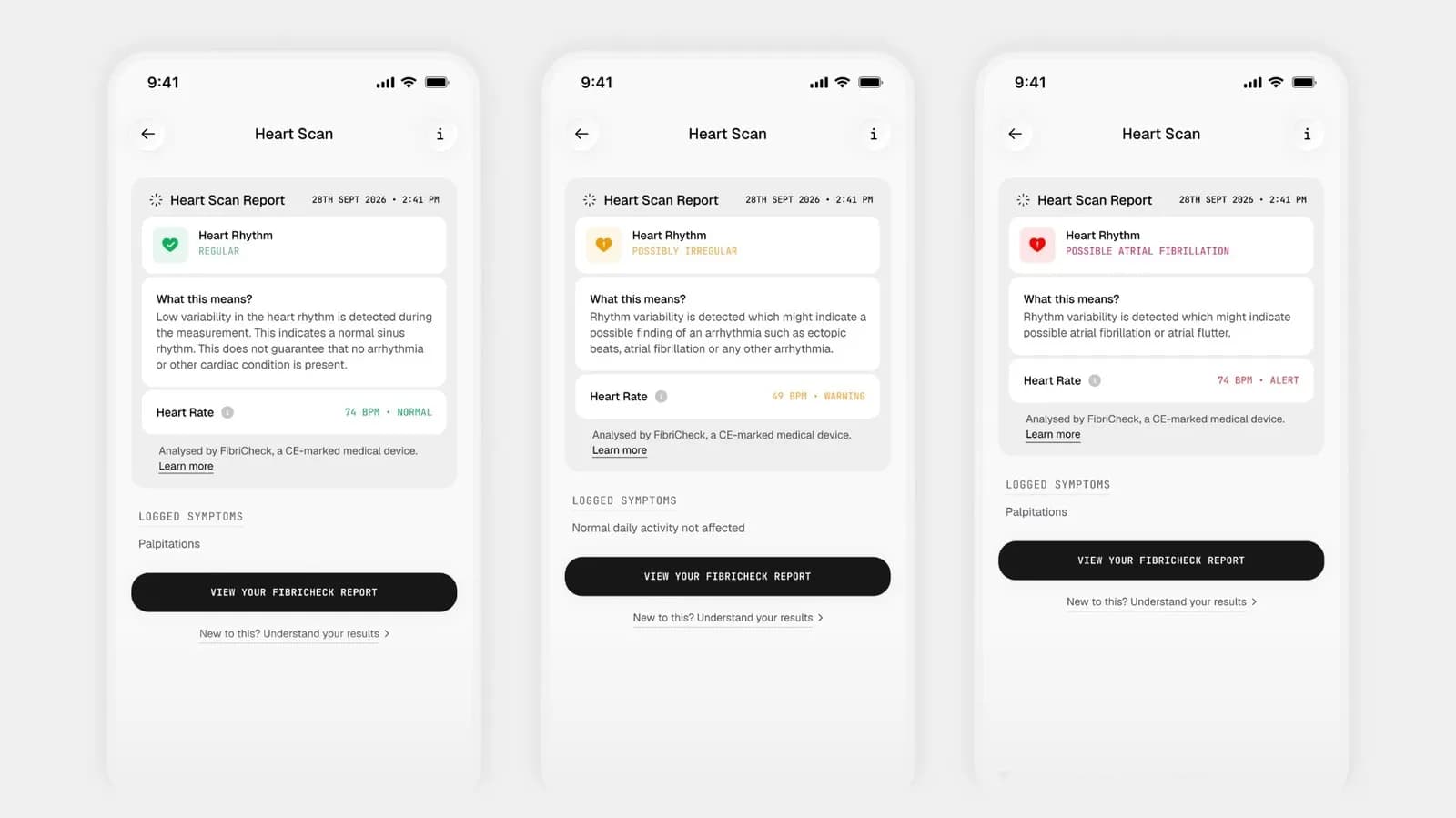
Atrial fibrillation, commonly known as Afib, is a prevalent form of irregular heart rhythm that can significantly elevate the risk of stroke and other cardiovascular complications if left unmanaged. Detecting these irregularities typically requires specialized clinical equipment, such as a traditional electrocardiogram. However, the latest wave of consumer health innovations seeks to democratize this detection process by packing photoplethysmography and electrical sensors into compact form factors.
When a user initiates an on-demand rhythm scan, the wearable device captures high-frequency biometric data over a specified testing window. This raw telemetry is then processed through complex signal-processing pipelines designed to identify anomalies in the pulse wave or electrical activity. The technical challenge lies in isolating genuine cardiac irregularities from motion artifacts, poor skin contact, and other environmental interferences that frequently plague consumer-grade sensors.
The Software Architecture Behind the Metrics
Deploying clinical-adjacent features on consumer hardware requires a robust, fault-tolerant software architecture. Edge computing plays a critical role here; a significant portion of the initial filtering and analysis must happen directly on the device or companion mobile app to ensure rapid feedback loops for the user. Software engineers must optimize these analytical pipelines for low latency and minimal battery drainage, balancing computational rigor with hardware constraints.
Furthermore, cloud infrastructure handles the heavy lifting of aggregate data synchronization, user account management, and compliance with strict healthcare data privacy regulations. Developers working in this space must navigate complex security paradigms, ensuring that sensitive biometric data is encrypted both in transit and at rest. The integration of advanced scanning features demands rigorous software testing, continuous integration of algorithmic updates, and seamless over-the-air firmware deployment.
Why Real-Time Diagnostics Matter for Developers
For software and hardware developers alike, the integration of real-time diagnostic tools into consumer devices opens up fascinating technical frontiers. It highlights the growing convergence of consumer IoT and digital health, where APIs and software development kits are increasingly utilized to build interconnected wellness ecosystems. Developers are no longer just building apps for productivity or entertainment; they are writing code that interacts directly with human physiology.
This paradigm shift necessitates a deep understanding of domain-specific constraints, including data accuracy, algorithmic bias, and regulatory compliance. As platforms open up their ecosystems to third-party developers through specialized APIs, the ability to securely handle and contextualize biometric data becomes a highly sought-after skill. The success of features like on-demand heart rhythm scans proves that consumers expect their everyday devices to deliver clinical-grade insights, raising the bar for software engineering quality across the entire tech industry.
Navigating Regulatory and Technical Challenges
Introducing health-monitoring features into consumer products is fraught with regulatory hurdles and engineering complexities. Unlike standard software updates, features that claim to detect medical conditions often require rigorous validation, clinical trials, and clearance from regulatory bodies such as the FDA. Engineers must design systems that not only perform reliably in controlled lab environments but also maintain accuracy amidst the unpredictable conditions of everyday human life.
Another major challenge is user experience design. Translating complex cardiac data into intuitive, actionable insights without causing unnecessary anxiety requires careful UI/UX engineering. Developers must craft notification systems that clearly communicate the limitations of consumer-grade scans, emphasizing that these tools are designed for informational and wellness purposes rather than definitive medical diagnoses.
The Road Ahead for Biometric Wearables
The addition of on-demand heart rhythm scans is merely a stepping stone toward a future where continuous, proactive health monitoring is standard across all consumer tech. As sensor technology miniaturizes further and machine learning models become more efficient, we can expect to see an explosion of diagnostic capabilities integrated into everyday gadgets. The line between consumer electronics and medical devices will continue to blur, driven by relentless innovation in software and hardware engineering.
Ultimately, these advancements empower individuals to take a more active role in managing their personal health. For the tech industry, this represents both a massive commercial opportunity and a profound responsibility. As developers continue to build the next generation of health-tech tools, the focus must remain on precision, security, and user-centric design to ensure these powerful technologies deliver genuine, life-enhancing value.
Closing Thoughts
The rollout of on-demand heart rhythm scans underscores the rapid maturation of the consumer health wearable market. By combining advanced sensor hardware with sophisticated data processing pipelines, companies are bridging the gap between personal wellness and clinical insight. For developers, this trend signals a growing demand for rigorous engineering practices, robust security standards, and empathetic user experience design in the ever-expanding world of digital health.
Source: engadget.com