
Unearthing the PSX: Sony's Forgotten Hybrid Console That Preceded the Modern Era

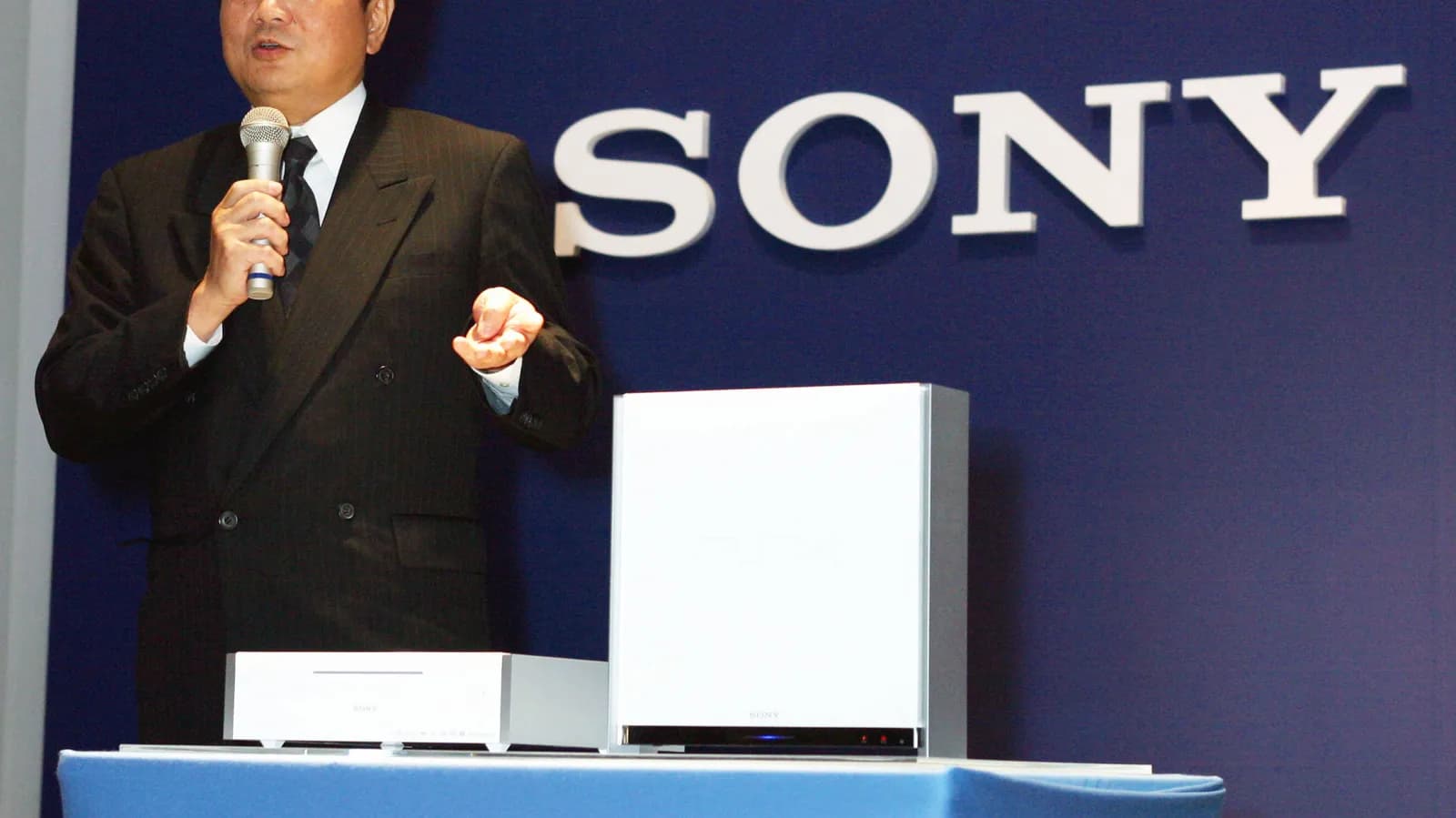
Introduction to Sony's Forgotten Hybrid
When technology enthusiasts discuss retro gaming hardware, iconic systems like the original PlayStation, the PlayStation 2, and the Nintendo GameCube inevitably dominate the conversation. However, tucked away in the annals of consumer electronics history lies a fascinating anomaly that rarely receives the attention it deserves: the PSX. Long before modern living rooms were dominated by all-in-one entertainment hubs, streaming boxes, and smart TVs, Sony attempted to merge high-end gaming with advanced media recording capabilities into a single, sleek chassis. Released exclusively in the Japanese market during the early 2000s, this device was not simply an alternative designation for the grey original PlayStation—a moniker fans often used colloquially—but rather a heavily customized, premium multimedia machine built around the architecture of the legendary PS2.
The Convergence Vision Before Its Time
The core concept behind the PSX was hardware convergence, a design philosophy that has since become standard practice in modern consumer tech. At the turn of the millennium, Sony envisioned a future where consumers would not need separate boxes for playing video games, watching movies, and recording television broadcasts. By embedding a massive hard disk drive and a DVD recorder directly into a modified PlayStation 2 motherboard, the company created an ecosystem designed to sit at the absolute center of home entertainment. This was an era when digital video recorders were still finding their footing in the consumer market, making the integration of a hard drive for pausing and recording live TV a bleeding-edge feature for a gaming brand.
Hardware Architecture and Design Aesthetics
From an industrial design standpoint, the PSX diverged sharply from the utilitarian, vertical black plastic brick of the standard PlayStation 2. Conceived by renowned industrial designers, the machine featured a clean, matte-white monolithic exterior that looked remarkably futuristic, more akin to an upscale audio receiver or an Apple product than a traditional gaming console. Beneath the minimalist shell, the engineering was intensely complex. It incorporated customized versions of the PS2's Emotion Engine and Graphics Synthesizer, alongside proprietary software interfaces derived from Sony's high-end digital video equipment. This rich internal architecture allowed users to seamlessly navigate television menus, edit recorded video clips, and launch software titles from a polished graphical user interface.
Why the Experiment Stayed in Japan
Despite its ambitious feature set, the PSX ultimately failed to achieve commercial success and was never exported to Western markets, remaining a domestic curiosity. Several compounding factors contributed to this geographical containment. First, the unit suffered from an exorbitant retail price point, making it prohibitively expensive for the average consumer compared to purchasing a standalone PS2 and a separate VCR or DVD recorder. Second, the software interface and digital television tuner standards were tightly coupled to Japanese broadcasting infrastructure, meaning a global rollout would have required massive localization and hardware redesigns. Finally, early firmware instability and software bugs tarnished its reputation among early adopters, stalling the critical momentum needed for a wider international release.
The Developer and Industry Perspective
For software engineers and hardware architects, the legacy of the PSX offers a compelling case study in the friction of early feature integration. Trying to balance the intense real-time performance requirements of 3D gaming with the heavy background processing demands of video encoding and hard disk management pushed the limits of early 2000s embedded systems. Developers working within Sony's ecosystem had to grapple with non-standard hardware configurations and proprietary software development kits that differed significantly from the standard retail PS2 dev kits. This fragmentation served as an early lesson for the industry: forcing multiple complex consumer electronics categories into a single physical box often introduces compromises that satisfy neither gamers nor home theater enthusiasts fully.
Looking back from the vantage point of modern home automation and gaming, the PSX can be viewed as an evolutionary stepping stone rather than a complete failure. It directly anticipated the multimedia integration seen in later generations, where consoles like the Xbox One and PlayStation 4 positioned themselves as universal media hubs complete with streaming apps and TV passthrough capabilities. While it remains a rare collector's item sought after by retro enthusiasts and hardware historians, the machine's true value lies in how it mapped out the challenges of device convergence. It proved that while consumers ultimately desired unified entertainment systems, the technology, pricing, and user experience had to align perfectly before such an ambitious vision could conquer the global market.
Source: engadget.com