
Unpacking the Friction in Modern Tractor Self-Repair Programs

The Evolution of Modern Agricultural Engineering
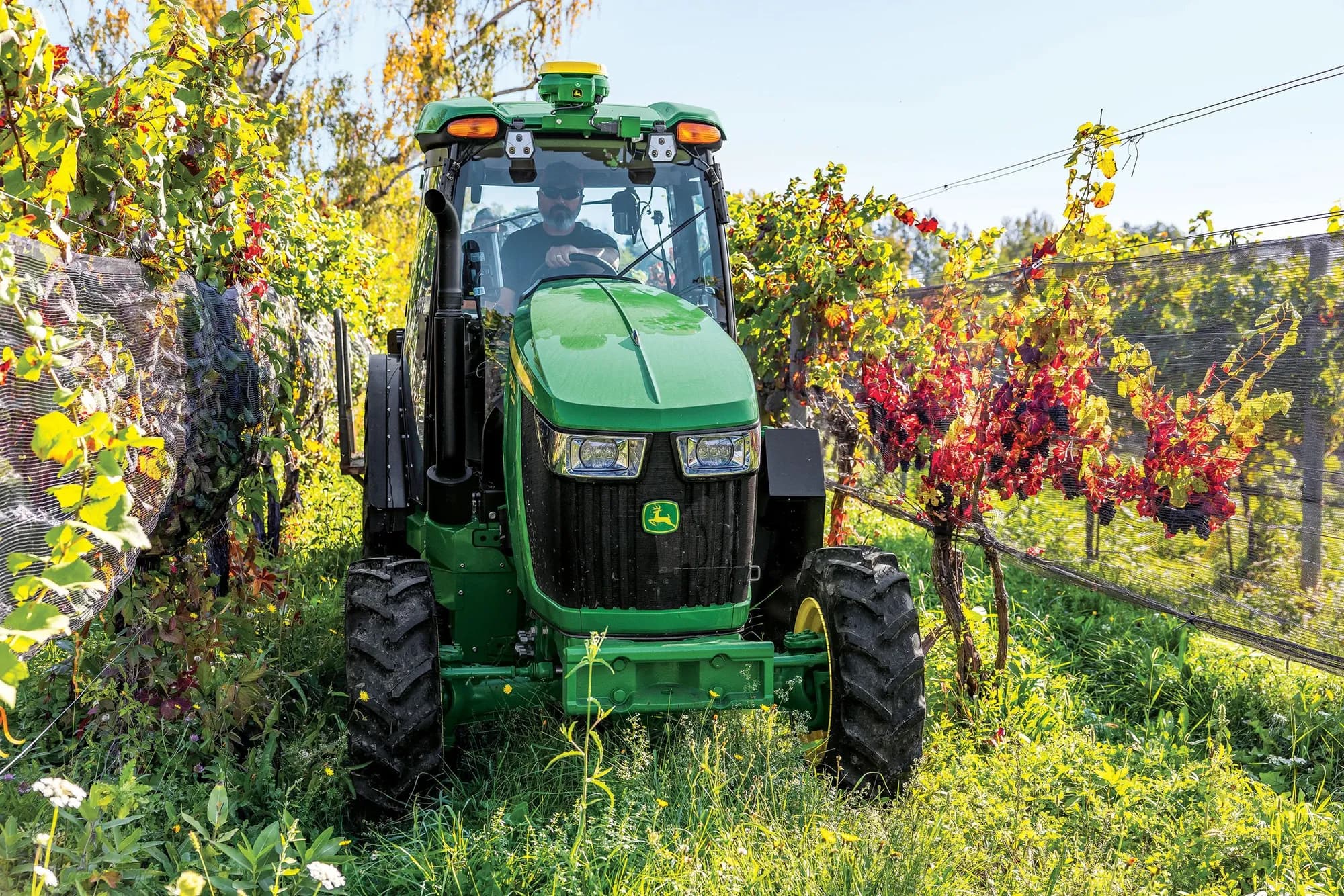
Modern farming has undergone a massive technological transformation over the past two decades. Today's tractors and combines are no longer just mechanical beasts powered by diesel and gears; they are rolling data centers packed with sensors, advanced telematics, electronic control units, and complex proprietary software. While these innovations have dramatically improved fuel efficiency, crop yields, and operational automation, they have fundamentally shifted the paradigm of equipment maintenance. Fixing a machine is no longer just a matter of turning wrenches in a dusty barn.
This digital evolution created a profound tension between equipment manufacturers and the agricultural community. For generations, farmers operated as independent mechanics, troubleshooting breakdowns in the field to save precious time during critical harvest or planting windows. As software began to govern nearly every subsystem of heavy machinery, traditional repair methods hit a wall. When a modern tractor refuses to start due to a digital handshake failure between a replaced sensor and the central computer, mechanical skill alone is no longer sufficient.
The Arrival of Manufacturer-Backed Repair Portals
In response to intense regulatory pressure, growing public backlash over the right-to-repair movement, and threats of federal legislation, major agricultural equipment makers introduced digital self-repair portals. These programs were designed to give independent operators and local mechanics access to the specialized diagnostic software, digital service manuals, and specialized tools previously restricted to authorized dealership networks. On paper, these offerings appeared to bridge the gap, promising a compromise between protecting intellectual property and empowering the end-user.
However, the implementation of these digital repair systems has proven far more bureaucratic than farmers anticipated. Gaining entry to these platforms often involves jumping through administrative hoops, executing specialized service agreements, and acquiring hardware packages that carry significant upfront costs. Instead of offering an open, frictionless marketplace for parts and diagnostics, these corporate solutions frequently mirror the controlled environments of enterprise software ecosystems, keeping tight leash control over every byte of operational data.
Why Farmers Remain Skeptical of Official Solutions
Despite the official availability of self-repair channels, adoption rates across the agricultural sector remain remarkably low. Operators have voiced persistent frustrations regarding the user experience and financial viability of these services. Subscriptions and digital keys often come with restrictive licensing terms, limiting what parts of the machine can be recalibrated or updated without a certified dealer's digital signature. A farmer facing a broken-down combine in the middle of a 500-acre field needs immediate solutions, not multi-step digital authentication processes or specialized subscription renewals.
Furthermore, the economic reality of farming leaves very little margin for error. When an expensive piece of machinery sits idle, every hour translates into lost revenue and heightened financial stress. If a self-repair portal introduces delays—whether through cumbersome software interfaces, waiting for digital authorization codes, or requiring proprietary diagnostic hardware—operators will inevitably opt for the path of least resistance. For many, that still means calling the dealer, despite the steep labor and transport fees involved.
Parallels in Consumer Electronics and Software Development
The friction surrounding agricultural self-repair mirrors ongoing battles in consumer technology, enterprise computing, and automotive engineering. Software-locked hardware has become a dominant business model across multiple industries, creating a complex landscape for developers, independent maintainers, and consumers alike. When code acts as a gatekeeper to physical functionality, the traditional boundaries between hardware manufacturing and software licensing blur entirely.
From a developer perspective, this dynamic highlights the growing tension between closed ecosystems and open-source or interoperable philosophies. Manufacturers often argue that locking down firmware protects safety standards, prevents catastrophic operational errors, and safeguards proprietary algorithms. Yet, critics and independent maintainers point out that these measures frequently serve as a moat to protect lucrative dealer service networks and lock customers into recurring revenue streams, stifling true third-party innovation.
- Proprietary firmware creates artificial barriers to routine physical maintenance.
- Digital rights management (DRM) principles are increasingly applied to heavy machinery.
- Closed diagnostic loops prevent local mechanics from building specialized tooling.
The Regulatory Landscape and Future Pressures
The sluggish adoption of manufacturer-managed repair portals is unlikely to satisfy lawmakers or agricultural advocacy groups pushing for genuine right-to-repair legislation. Regulatory bodies at both state and federal levels are closely monitoring whether corporate-led programs genuinely lower barriers for independent repair or merely pay lip service to the movement while maintaining restrictive monopolies over diagnostics and parts distribution.
As tractors and heavy equipment become even more autonomous and reliant on cloud connectivity, the stakes will only continue to rise. Future policy debates will likely focus not just on physical parts availability, but on software interoperability, open APIs for diagnostics, and the legal right to modify or service code that runs on privately owned physical assets. If manufacturers fail to build intuitive, fair, and genuinely accessible repair ecosystems voluntarily, they risk facing much stricter statutory mandates down the line.
Balancing Innovation with Operational Independence
The ongoing struggle over tractor self-repair encapsulates a defining dilemma of our modern digital economy: how to balance rapid technological advancement with the timeless principle of ownership. As software permeates every physical device we use, the expectations of what it means to own something are shifting underneath our feet. Manufacturers must recognize that true customer loyalty comes from robust, reliable products paired with empowering support, rather than artificial digital locks that treat buyers like renters in their own equipment.
Ultimately, bridging the gap between high-tech machinery and independent repair requires a cultural shift within industrial manufacturing. Companies must design their software architectures with the end-user's autonomy in mind from the ground up, rather than treating self-repair as a reluctant compliance measure. Until those foundational changes occur, independent operators will continue to look upon corporate repair portals with well-earned skepticism, searching for true freedom in an increasingly digitized world.
Source: wired.com