
Unplugging the Rig: Demystifying RV Solar Power Architecture

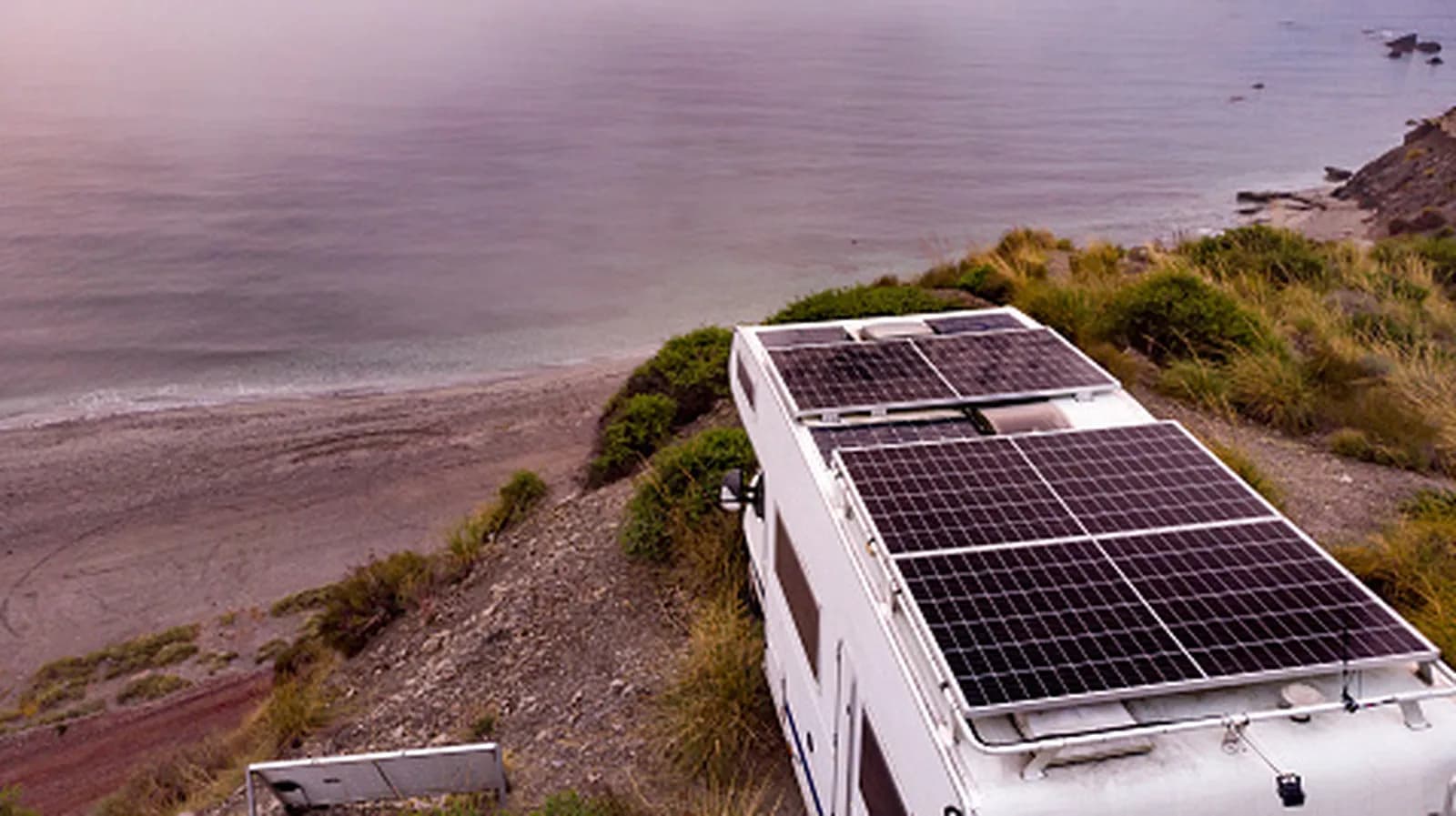
The Allure and Reality of Off-Grid Living
The romance of hitting the open road in a recreational vehicle often collides with a stark technological reality: modern comfort requires electricity. Whether you are running a high-efficiency refrigerator, charging laptops for remote work, or firing up a morning coffee maker, power consumption quickly adds up. While traditional hookups at RV parks offer an easy lifeline, the true freedom of boondocking relies entirely on autonomous energy generation. Transitioning to a self-sustaining system is an appealing prospect, yet it demands a methodical engineering approach rather than a haphazard collection of parts.
Many newcomers assume that simply purchasing a couple of solar panels will solve all their power woes. However, solar generation is only one piece of a complex electrical puzzle. Without a deep understanding of how energy flows from the sun, through a charge controller, into a storage medium, and finally to your appliances, you risk finding yourself stranded in the backcountry with dead batteries. Designing a reliable mobile solar setup is fundamentally an exercise in energy auditing and system architecture.
Conducting a Comprehensive Energy Audit
The foundation of any successful solar installation begins long before you purchase your first photovoltaic panel. You must first conduct a thorough audit of your daily power consumption. Every single device, from LED ceiling lights to complex computing hardware, draws a specific amount of current, typically measured in amp-hours or watt-hours over a 24-hour cycle. Ignoring high-draw appliances like air conditioners or induction cooktops during this phase is a recipe for system failure.
To build an accurate profile, list every appliance you plan to run while off-grid, noting its wattage and the average number of hours it will be active each day. This calculation yields your total daily watt-hour requirement. It is also wise to account for 'phantom loads'—the silent power drained by standby modes, USB chargers, and inverter quiescent draw. Only when you have a precise quantitative picture of your energy appetite can you begin sizing the components needed to satisfy it.
Balancing Generation, Storage, and Conversion
Once you know how much power you consume, you can design the triad of a solar setup: generation, storage, and conversion. Solar panels are your generation source, but their rated output is rarely achieved in real-world conditions. Factors such as weather, panel tilt, shading, and the angle of the sun drastically affect daily yields. Therefore, your panel array must be large enough to compensate for less-than-ideal environmental conditions and still replenish your reserves.
Storage is managed by your battery bank, which acts as the buffer between intermittent solar input and steady electrical demand. Modern lithium iron phosphate batteries have largely replaced traditional lead-acid alternatives due to their depth of discharge, lighter weight, and longer lifespan. Finally, the inverter bridges the gap between stored DC power and the AC appliances you use daily. Choosing the correct inverter capacity ensures that peak loads—like the surge when a refrigerator compressor kicks on—do not instantly trip your system protection mechanisms.
The Developer Perspective: System Integration and Monitoring
For software engineers and tech-savvy builders, designing an RV electrical grid feels remarkably similar to architecting a distributed computing network. You are managing inputs, throughput constraints, storage bottlenecks, and output loads. Troubleshooting a failing solar array requires the same methodical debugging mindset used when tracking down memory leaks or network latency issues in production environments.
Modern RV solar setups increasingly rely on smart monitoring systems. Bluetooth-enabled charge controllers, shunt-based battery monitors, and IoT-connected dashboard displays allow owners to track real-time generation and consumption metrics. Writing automation scripts or setting up custom alerts for low battery thresholds transforms a standard mobile home into a smart, observable system that keeps you informed before critical power failures occur.
Mitigating Risks and Managing Space Constraints
Installing a robust solar and battery infrastructure on a mobile platform introduces physical challenges that static residential systems never face. Vehicle roofs are limited in surface area, forcing you to choose between high-efficiency monocrystalline panels, flexible alternatives, or portable ground arrays. Furthermore, every pound of added hardware impacts fuel efficiency and payload limits, meaning weight distribution and aerodynamic considerations are paramount.
Safety is another critical factor that cannot be overlooked. High-voltage DC systems can arc violently if improperly fused or wired, presenting severe fire risks. Proper wire sizing, circuit breaker installation, and robust physical mounting to withstand highway vibrations are non-negotiable aspects of the build. Cutting corners on hardware quality or installation standards to save a few dollars invariably leads to costly component failures down the road.
Future-Proofing Your Mobile Power Setup
Energy needs rarely remain static. As remote work trends continue and people spend more extended periods away from civilization, the demand for reliable mobile power will only increase. Future-proofing your RV electrical system means designing with modularity in mind. Leaving headroom in your charge controller's capacity allows you to easily plug in additional panels later, while choosing expandable battery architectures enables seamless scaling as your power requirements evolve.
Ultimately, treating your mobile power setup as a living, scalable ecosystem ensures that you will not outgrow it after your first major road trip. By approaching the project with careful planning, rigorous math, and respect for electrical safety, you can achieve true energy independence and enjoy the remote wilderness without sacrificing modern technological comforts.
Source: engadget.com