
Volvo’s Strategic Shift: Retooling the XC40 While Stepping Back From US Electric Models

Introduction
Automotive industry trends rarely move in a straight line, and major legacy automakers frequently recalibrate their timelines as market realities shift. Volvo has long positioned itself as a vanguard of the electric vehicle revolution, setting aggressive internal deadlines to transition its entire fleet away from internal combustion engines. However, the recent decision to refresh the traditional gasoline-powered XC40 lineup while concurrently phasing out the all-electric variant in the United States highlights a more pragmatic, flexible approach to consumer demand.
For developers, technology enthusiasts, and automotive analysts alike, this move signals a fascinating intersection of software-defined vehicle architecture, supply chain economics, and shifting consumer adoption curves. Rather than pressing forward with a purely single-minded EV strategy in every regional market, legacy brands are finding that they must balance next-generation infotainment ecosystems with the continued profitability and immediate availability of hybrid and ICE configurations.
The Core Updates to the XC40 Platform
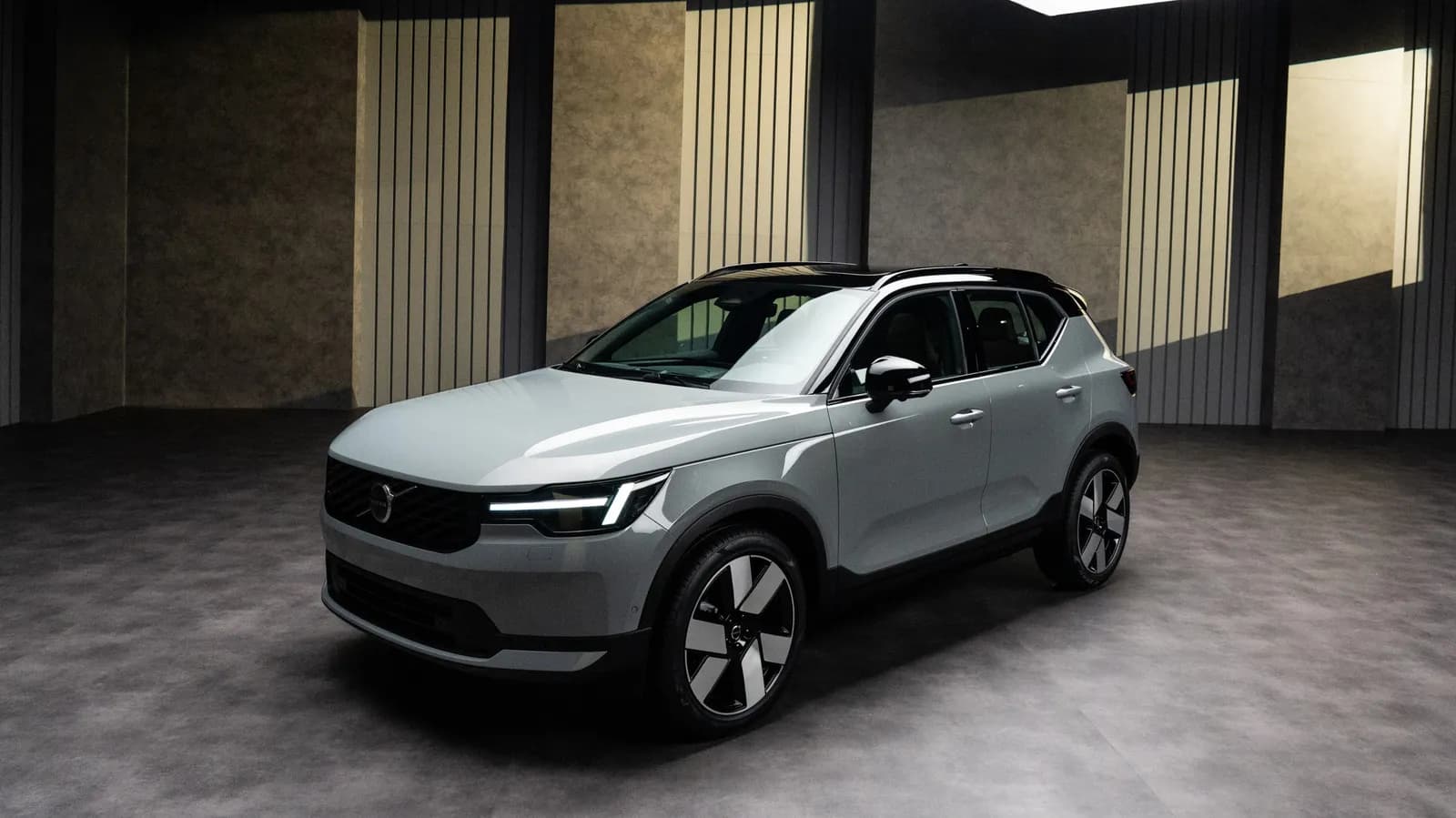
The latest iteration of the Volvo XC40 introduces a series of thoughtful refinements aimed at keeping the compact luxury crossover competitive in a crowded market segment. While the foundational platform remains largely familiar, engineers have focused heavily on modernizing the vehicle's aesthetic touches, cabin ergonomics, and material selections. These adjustments ensure that the vehicle retains its distinct Scandinavian design identity while appealing to buyers looking for modern comfort and everyday utility.
Beneath the surface, the refresh emphasizes optimization rather than reinvention. Powertrain options have been streamlined to maximize efficiency, reduce emissions within the constraints of traditional internal combustion and mild-hybrid setups, and simplify manufacturing complexity. For a vehicle that has served as a cornerstone of Volvo’s entry-level luxury strategy for years, this update ensures it remains a viable option for buyers who are not yet ready to make the full leap into battery-electric mobility.
The US Market Reality and the EX40 Exit
The most striking aspect of this product cycle update is the strategic retreat regarding the all-electric version in the North American market. Deciding to pull the plug on the battery-electric variant within the United States underscores the uneven nature of EV adoption across different global regions. Infrastructure hurdles, fluctuating consumer incentives, and pricing pressures have created a complex environment for luxury electric crossovers.
By withdrawing the electric model from the US lineup while keeping combustion and hybrid variants alive, the manufacturer is effectively tailoring its regional offerings to match current charging realities and buyer preferences. While global electrification goals remain on the horizon, regional adjustments demonstrate that profitability and market-specific demand will ultimately dictate how quickly showrooms transition over to 100 percent battery power.
In-Car Technology and Infotainment Upgrades
One of the most compelling elements of the revised XC40 is its continued integration of advanced software ecosystems. Modern vehicles are increasingly defined not just by their mechanical capabilities, but by their computing power, user interfaces, and connected services. Volvo has continued its deep integration of Google-powered infotainment systems, bringing native maps, voice assistant capabilities, and a seamless app store directly to the dashboard.
For technology professionals who view cars as rolling computers, this software-first cockpit approach represents a major step forward. Over-the-air update capabilities ensure that the vehicle's operating system continues to evolve long after it rolls off the assembly line. This decoupling of software longevity from hardware replacement cycles mirrors how modern consumer electronics and enterprise software operate, changing how drivers interact with their automobiles.
- Native Google built-in integration for maps and assistant functions
- Continuous over-the-air (OTA) software update support
- Refined digital driver instrumentation and customizable displays
Industry and Developer Implications
The automotive sector's ongoing pivot toward software-defined architectures has profound implications for software engineers, UX designers, and cloud infrastructure developers. When a legacy manufacturer updates a vehicle line like the XC40, the software stack must remain maintainable across multiple powertrain variations, ranging from mild hybrids to pure electrics. This requires modular codebases that can abstract underlying mechanical differences.
Furthermore, developers working within the connected car ecosystem must grapple with fragmented regional hardware availability. A software feature deployed to an infotainment unit in Europe might behave differently or face deployment delays in North America due to differing cellular partnerships, regulatory frameworks, and regional vehicle configurations. Navigating these complexities is the new norm for automotive tech teams.
Risks, Strategic Questions, and Consumer Reception
Shifting strategies mid-stream always carries commercial and brand-related risks. By stepping back from a prominent electric offering in a key growth market like the United States, Volvo risks sending mixed signals to early adopters who view the brand as a primary champion of zero-emission driving. Maintaining a dual-track strategy of ICE improvements alongside future EV planning requires careful messaging to avoid alienating either traditionalists or eco-conscious buyers.
Additionally, as competitors flood the market with dedicated, clean-sheet electric platforms, relying on a refreshed legacy platform could place pressure on long-term competitiveness. The automotive landscape rewards innovation and efficiency; balancing near-term revenue from traditional powertrains with the capital expenditure needed for next-generation architectures remains the central tightrope walk for executive leadership.
Looking Ahead
The evolution of the Volvo XC40 serves as a microcosm of the broader automotive industry's current transitional phase. As electrification goals meet the realities of consumer readiness and infrastructure development, automakers must remain nimble, pragmatic, and willing to adapt their product portfolios on a regional basis. For developers and tech watchers, watching how these software-driven cabins and hybrid powertrains coexist will provide valuable insights into the future of personal transportation.
Source: engadget.com