
Wearable Biometrics Reach Felines with the Tractive Cat 6 Mini

Introduction to Feline IoT
For years, the pet wearable market has been heavily skewed toward canines. Dogs, with their propensity for wide-ranging walks and outdoor adventures, have long enjoyed the benefits of GPS trackers and activity monitors. Cats, conversely, have largely been left out of the hardware revolution, often forced to wear bulky, dog-sized devices that fail to account for their agile frames and nocturnal habits. The introduction of the Tractive Cat 6 Mini signals a notable shift in the consumer IoT landscape, bridging the gap between advanced biometrics and feline-friendly form factors.
By packing sophisticated sensors into a lightweight collar attachment, manufacturers are finally treating our feline companions as first-class citizens in the Internet of Things ecosystem. This development reflects broader trends in miniaturization and power efficiency, where components previously reserved for human wearables or larger industrial trackers are now being scaled down for pets. As software developers and hardware engineers push the boundaries of embedded systems, the focus is increasingly shifting toward niche markets that demand high performance under strict physical constraints.
The Hardware and Form Factor Challenge
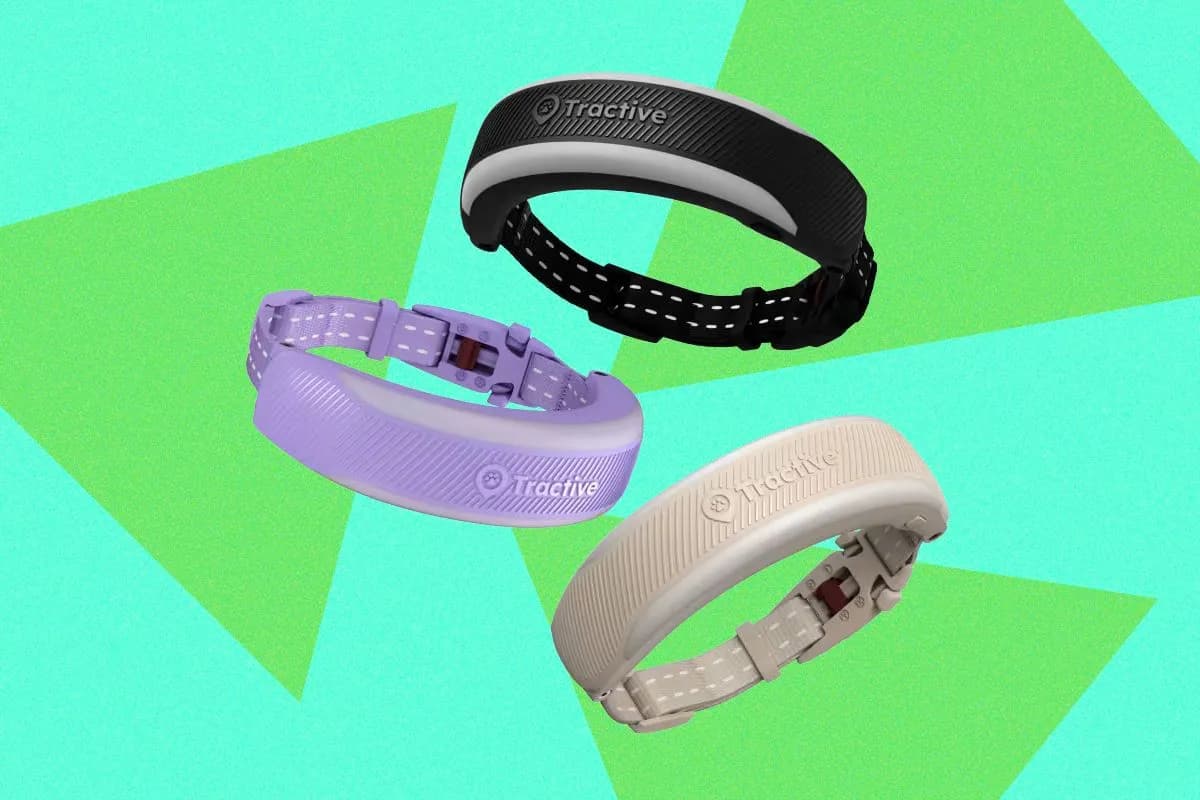
Designing a wearable for a cat is an engineering hurdle that differs vastly from building a gadget for a human or even a dog. Cats are master escape artists, incredibly flexible, and sensitive to weight distribution around their necks. A device that is slightly too heavy or awkwardly shaped will be aggressively rejected, scratched off, or cause the animal undue stress during everyday grooming and hunting behaviors. The Tractive Cat 6 Mini addresses this by drastically reducing its footprint compared to its predecessors, making it comfortable enough for daily wear without compromising functionality.
Beneath the rugged exterior lies a complex array of micro-sensors designed to operate in low-power states. Balancing real-time GPS tracking with continuous health monitoring requires ingenious battery management strategies and efficient firmware design. Engineers must optimize data transmission intervals, utilizing low-power cellular and local radio protocols to ensure the device remains connected without draining its microscopic battery within a matter of hours. This delicate balance of size, weight, and computational capability showcases the ongoing evolution of modern embedded hardware design.
Comprehensive Health and Vital Monitoring
Beyond simple location tracking, the true technical leap of the Cat 6 Mini lies in its biometric capabilities. The device introduces continuous monitoring of key physiological metrics, including heart rate and respiratory rate, alongside traditional activity and sleep tracking. For veterinarians and pet owners alike, this data stream opens up entirely new avenues for preventative healthcare, allowing subtle shifts in a cat's baseline behavior to trigger early warnings for underlying medical conditions.
Translating raw sensor data into meaningful health insights is no small feat, particularly when dealing with animals that move unpredictably. The algorithms powering these wearables must filter out motion artifacts—noise generated by the cat running, jumping, or scratching—to isolate genuine biometric signals. This mirrors the algorithmic challenges faced by human fitness trackers, relying heavily on signal processing and machine learning models to differentiate between normal resting states and physiological stress or illness.
Connectivity, GPS, and Location Reliability
Location tracking for animals that squeeze into tight crawl spaces, dense bushes, and urban alleys presents unique signal propagation challenges. GPS alone is often insufficient, especially when devices are operating close to the ground where buildings or foliage easily block line-of-sight satellite communication. To maintain a reliable connection, the Tractive Cat 6 Mini likely combines multiple positioning technologies, leveraging cellular triangulation and Wi-Fi sniffing to supplement GPS data when satellite signals degrade.
Maintaining connectivity while minimizing power draw requires a sophisticated approach to network protocols. The device must intelligently switch between different communication states depending on whether the cat is safely indoors or roaming the neighborhood. For software engineers working on backend infrastructure, managing millions of these small, constantly pinging IoT devices demands robust, scalable cloud architectures capable of handling high-frequency telemetry streams with minimal latency.
Data Analytics and the Pet Parent Dashboard
All the telemetry gathered by the collar is useless without a compelling interface to present it to the user. The companion mobile application serves as the command center for pet owners, translating complex streams of accelerometer data, GPS coordinates, and vital signs into intuitive dashboards and actionable alerts. Software development in the pet tech sector increasingly relies on clean, responsive UI/UX design that can quickly alert a user to an unusual absence or a sudden spike in resting heart rate.
Furthermore, aggregating this data over time allows the system to establish a personalized baseline for each individual cat. Rather than relying on generic species-wide thresholds, modern pet health platforms utilize historical data analytics to spot anomalies unique to a specific animal. This personalized approach to pet care represents the convergence of big data analytics and consumer biotechnology, transforming passive pet accessories into active diagnostic assistants.
Industry Implications and Developer Takeaways
The maturation of devices like the Tractive Cat 6 Mini highlights the broader commercial viability of specialized IoT markets. As component costs drop and energy efficiency improves, developers have unprecedented opportunities to build software and hardware solutions for verticals that were previously considered too niche. Whether in pet care, livestock management, or wildlife conservation, the underlying principles of low-power computing, robust sensor fusion, and cloud-based telemetry remain universally applicable.
For software and hardware engineers, working in these emerging domains demands a deep understanding of physical constraints. Code written for ultra-low-power microcontrollers must be meticulously optimized, and cloud pipelines must be designed to withstand intermittent connectivity and irregular data bursts. As consumer expectations for smart, connected living expand to include every member of the household—furry ones included—the technical challenges of building resilient, invisible technology will only continue to grow.
Conclusion
The arrival of sophisticated biometric and location trackers for felines marks a significant milestone in consumer technology. By successfully shrinking essential health and GPS hardware down to a size suitable for cats, manufacturers have solved a notoriously difficult engineering problem. As these devices continue to evolve, they promise to deepen our understanding of animal health while offering a compelling blueprint for the future of specialized, low-power IoT applications.
Source: wired.com