
When Rocket Science Met Duckburg: The Surprising History of Disney’s Space Age

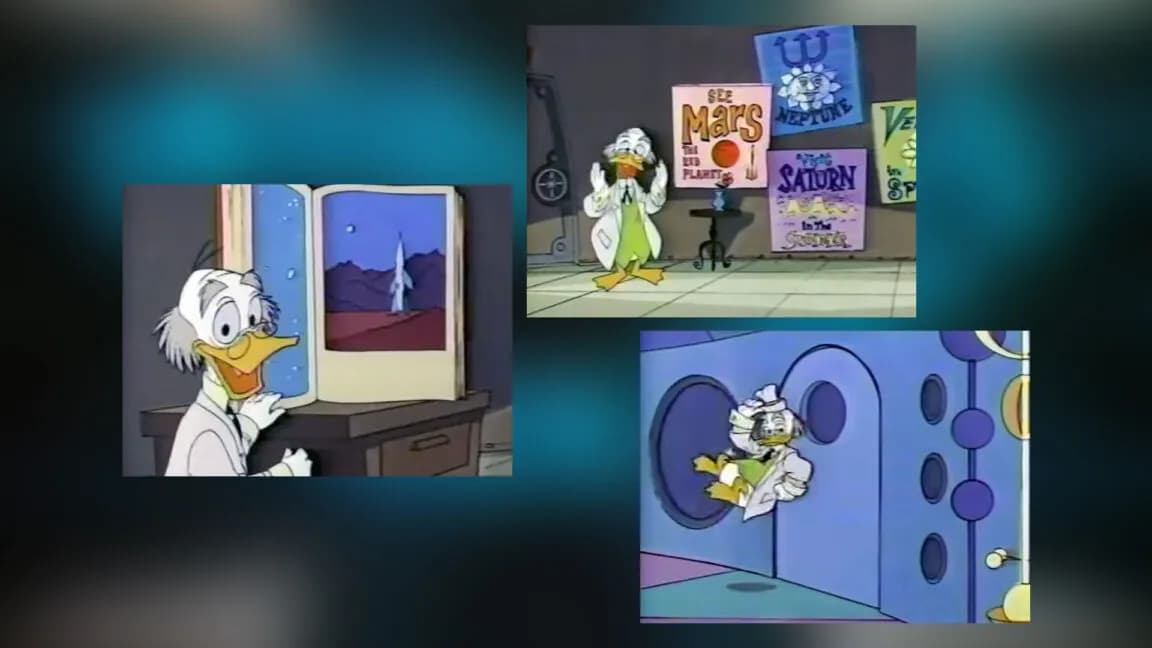
Introduction to an Unlikely Cultural Intersection
In the mid-twentieth century, the boundaries between high-tech scientific ambition and popular entertainment were far more porous than they are today. As the space race began to capture the public imagination, major media conglomerates actively collaborated with visionary engineers to shape public perception of futuristic endeavors. Among these cultural artifacts, classic animated shorts and comic books played an unexpectedly vital role in popularizing rocketry and space exploration for millions of households.
Beneath the surface of seemingly whimsical storytelling lay direct influences from real-world historical figures. The intersection of cartoon lore and aerospace history reveals a complex dialogue between the engineers who designed humanity's first ballistic missiles and orbital vehicles, and the animators tasked with rendering these monumental technological shifts accessible to a broad audience, including the youngest generation of future scientists and engineers.
The Aerospace Pioneer Behind the Comic Page
Historical analysis of mid-century character development often uncovers surprising inspirations drawn from real-world scientific luminaries. While figures like Wernher von Braun are primarily remembered for their contributions to rocketry and the Apollo program, their public persona extended far beyond technical journals and government briefings. During the 1950s, von Braun became a household name through television specials and magazine articles that painstakingly detailed humanity's impending leap into the cosmos.
This high-profile advocacy for space travel made these scientists cultural icons, blending technical authority with charismatic public outreach. Consequently, writers and artists working in popular media absorbed these archetypes, translating the trope of the obsessive, brilliant, and slightly eccentric rocket scientist into fictional avatars. The archetype of the grandiose authority on outer space reflected both the genuine awe and the slight skepticism with which society viewed these pioneering minds.
Disney’s Strategic Partnership with the Space Program
The synergy between Walt Disney Productions and the emerging aerospace industry was not accidental. In the years leading up to the launch of Sputnik, Disney produced a celebrated series of television episodes focused on space exploration. To ensure technical authenticity, the studio enlisted top-tier rocket scientists, including figures deeply entrenched in the military-industrial complex, to serve as consultants and on-screen guides.
This collaboration served a dual purpose. For the aerospace establishment, mainstream animation provided an unprecedented vehicle for public relations, building enthusiasm and political backing for costly government-funded space programs. For the studio, access to authentic scientific insights elevated their storytelling, merging educational value with state-of-the-art animation techniques that captivated viewers of all ages and laid the groundwork for modern science communication.
Decoding the Eccentric Genius Archetype
The character traits associated with early space pioneers heavily influenced how fictional scientists were portrayed across print and screen. Traits such as relentless ambition, supreme confidence in technical mastery, and a penchant for grand, complex machinery became standard tropes. In comic books and animated features, these characteristics manifested as eccentric uncles and inventors who viewed the universe as a vast engineering problem waiting to be solved.
This archetype resonated deeply because it mirrored the public's perception of real-world engineers who promised to launch humanity beyond the atmosphere. While cartoon adaptations naturally exaggerated these qualities for comedic and narrative effect, they preserved the core essence of the mid-century technocrat: an individual driven by an unyielding desire to conquer physical frontiers, regardless of the immediate chaos left in their wake.
Why This Historical Fusion Matters Today
Examining the roots of classic character design provides valuable perspective on how societies digest complex technological leaps. Today, as private space ventures and artificial intelligence dominate public discourse, the media continues to play a critical role in framing how we perceive high-stakes innovation. The blending of entertainment and technical advocacy pioneered in the mid-twentieth century established a blueprint that modern tech figures and media creators still utilize.
Furthermore, this history highlights the complicated legacies of the scientists who shaped the space age. Acknowledging that foundational pop culture icons drew inspiration from figures with contentious historical backgrounds reminds us that technological progress is deeply intertwined with human ambiguity. Understanding these connections helps modern audiences critically evaluate how narratives are constructed around emerging technologies and the individuals driving them.
Conclusion: The Enduring Legacy of Space Age Storytelling
The connection between mid-century rocketry and classic animated storytelling underscores the profound impact that engineering ambitions can have on popular culture. By translating complex aerospace concepts into relatable narratives and characters, creators helped foster a generation of scientifically literate minds who would eventually turn science fiction into engineering reality.
As we look toward contemporary frontiers in technology, the lessons from this era remain relevant. Effective communication, imaginative storytelling, and a willingness to engage with the public are just as crucial to technological success today as raw mathematical formulas and engineering prowess were during the dawn of the space age.
Source: arstechnica.com