
Xreal's One Pro+ AR Glasses Double Down on Display Clarity Over Passthrough gimmicks

Introduction to the Next Wave of Augmented Reality
The consumer augmented reality landscape has long been locked in a race toward total standalone computing, often at the expense of wearability, battery life, and visual fidelity. While heavily marketed mixed-reality headsets attempt to mirror full desktop environments through complex outward-facing passthrough camera arrays, a parallel category of display-centric smart glasses has quietly carved out a dedicated niche. These devices trade spatial computing autonomy for a sleek, lightweight form factor that functions primarily as a private, high-resolution virtual monitor for your existing hardware.
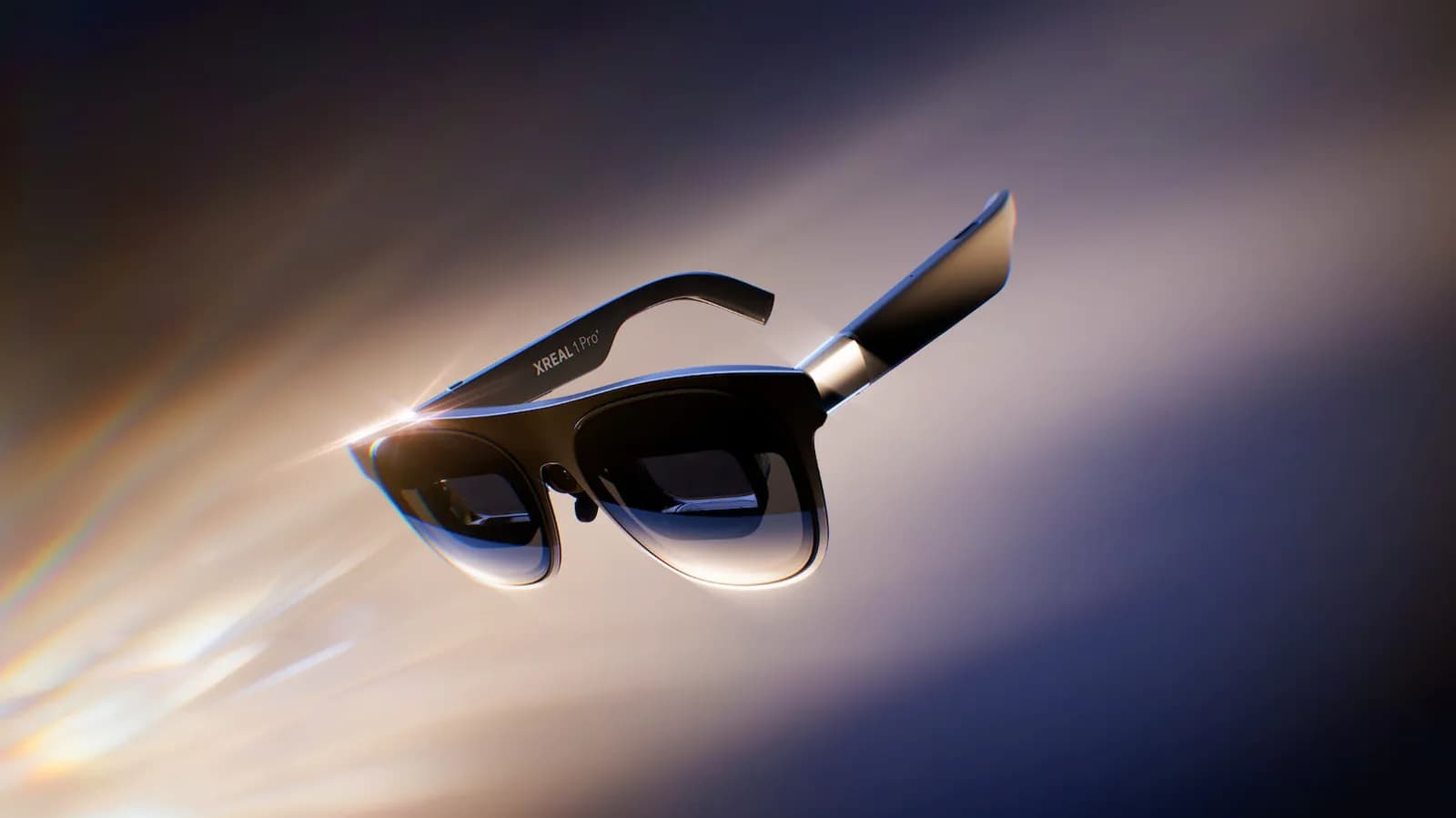
Xreal has been a prominent pioneer in this tethered monitor paradigm, steadily refining its hardware lineup to address the fundamental friction points of early smart eyewear. With the introduction of the One Pro+ flagship AR glasses, the company is doubling down on core visual improvements and physical ergonomics rather than chasing feature parity with bulky standalone headsets. By focusing relentlessly on brightness, lens clarity, and wearing comfort, Xreal's latest hardware release highlights a pragmatic philosophy: many users simply want a brilliant, private screen they can wear for hours without fatigue.
Refining the Display and Optical Engine
At the heart of any wearable display are the underlying micro-OLED panels and optical waveguides, which dictate everything from perceived screen size to color vibrancy and contrast. The One Pro+ introduces notable engineering upgrades in its optical engine, pushing peak brightness levels higher to combat challenging ambient lighting conditions. In previous generations of smart glasses, outdoor usage or brightly lit office environments could wash out virtual screens, forcing users to rely on physical or digital shade attachments.
By boosting luminance without sacrificing black levels or introducing noticeable pixel degradation, these newer optics ensure that virtual desktops and media playback remain crisp and legible in diverse environments. Furthermore, enhancements to the optical clarity across the field of view help mitigate edge distortion, a common artifact in lightweight AR form factors. The result is an expansive, cinema-scale virtual workspace floating comfortably in the user's field of vision, closely mimicking the experience of sitting in front of a high-end multi-monitor setup.
The Deliberate Omission of Outward-Facing Cameras
One of the most defining design choices of the Xreal flagship series is the continued absence of integrated cameras. In an era where tech companies are eager to bake computer vision, hand tracking, and spatial mapping sensors into every piece of wearable hardware, Xreal’s restraint is both deliberate and strategically distinct. By stripping away complex camera suites, the device avoids the heavy processing overhead, thermal dissipation challenges, and steep battery drains that plague standalone spatial computers.
Equally important is the social and privacy aspect of camera-free eyewear. Wearables equipped with outward-facing lenses have historically faced severe public scrutiny regarding privacy, consent, and surveillance concerns. By explicitly omitting a camera, Xreal positions the One Pro+ as a safe, unobtrusive peripheral that cannot be mistaken for a surreptitious recording device. This design constraint simplifies compliance, reduces manufacturing costs, and keeps the device squarely focused on its primary mission: delivering an exceptional private display.
Ergonomics, Weight Distribution, and All-Day Wearability
Form factor is arguably the single greatest barrier to mainstream adoption for head-mounted displays. No matter how stunning the virtual image quality might be, consumers will quickly reject hardware that causes neck strain, pinches the bridge of the nose, or feels excessively front-heavy after a brief usage session. The One Pro+ incorporates iterative improvements in weight distribution, utilizing lightweight chassis materials and balanced temple arms to alleviate pressure points.
Comfort is not merely a matter of total grams, but of how those grams are anchored to the human face. Xreal’s engineering updates focus on flexible hinge mechanisms and adjustable nose pads to accommodate a wide variety of facial structures. For developers and power users who spend long workdays tethering these glasses to laptops, handheld gaming consoles, or mobile workstations, these ergonomic refinements transform the device from a novelty tech gadget into a genuinely viable productivity tool.
Targeting Developers, Gamers, and Mobile Power Users
While consumer-facing marketing often leans heavily on media consumption and entertainment, hardware of this caliber holds significant appeal for technical professionals and developers on the move. Software engineers, digital nomads, and systems administrators frequently find themselves constrained by the single, small display of a laptop when working remotely. Tethered AR glasses solve this screen-real-estate problem by projecting expansive virtual monitors into thin air, enabling multi-window workflows on an airplane, in a coffee shop, or at a hot desk.
For game developers and mobile software creators, these glasses also provide an accessible platform for testing spatial UI concepts and wide-format media applications without requiring the heavy footprint of an untethered mixed-reality rig. Because the glasses act essentially as an external display via standard video protocols, integrating them into existing development workflows requires minimal custom software overhead, lowering the barrier to entry for experimentation.
Industry Outlook and the Future of Lightweight AR
The trajectory of the augmented reality market is currently splitting into two distinct philosophies: the all-in-one spatial computing paradigm championed by massive tech conglomerates, and the minimalist peripheral approach pursued by display specialists. While standalone devices offer untethered freedom, they currently demand massive compromises in battery life, thermal management, and physical bulk. Conversely, lightweight display glasses like the Xreal One Pro+ demonstrate that consumers and professionals are willing to accept a physical tether in exchange for comfort and visual fidelity.
As micro-OLED manufacturing matures and optical waveguides become more efficient, the gap between these two categories may eventually narrow. However, for the near future, prioritizing display brilliance and ergonomic comfort over complex, power-hungry sensors remains a winning strategy for hardware makers targeting productivity-driven users. By continually refining the basics—brighter panels, lighter frames, and better fit—Xreal is proving that sometimes the best way to innovate in AR is to focus strictly on making the screen better.
Final Thoughts
The evolution of Xreal's flagship hardware underscores a mature understanding of what wearable tech users actually tolerate and value in daily use. By resisting the industry-wide urge to pack every emerging sensor into a pair of glasses, the company has created a focused, highly usable virtual display tool. For developers, gamers, and remote professionals seeking an ergonomic multi-monitor setup that fits into a backpack, the One Pro+ represents a compelling step forward in practical, distraction-free augmented reality hardware.
Source: engadget.com