
Apple Watch Ultra 4 vs. Series 12: The Convergence of Smartwatch Tiers

Introduction
The consumer technology landscape has long relied on clear product segmentation. Manufacturers love to build distinct tiers—good, better, and best—ensuring that buyers who want the absolute peak of engineering must pay a steep premium. In the wearable space, Apple has historically maintained a wide chasm between its lightweight, mainstream lifestyle watches and its rugged, titanium-clad extreme sports devices. However, recent iterative cycles are beginning to blur those neat boundaries, forcing tech enthusiasts and everyday consumers alike to re-evaluate where their money is best spent.
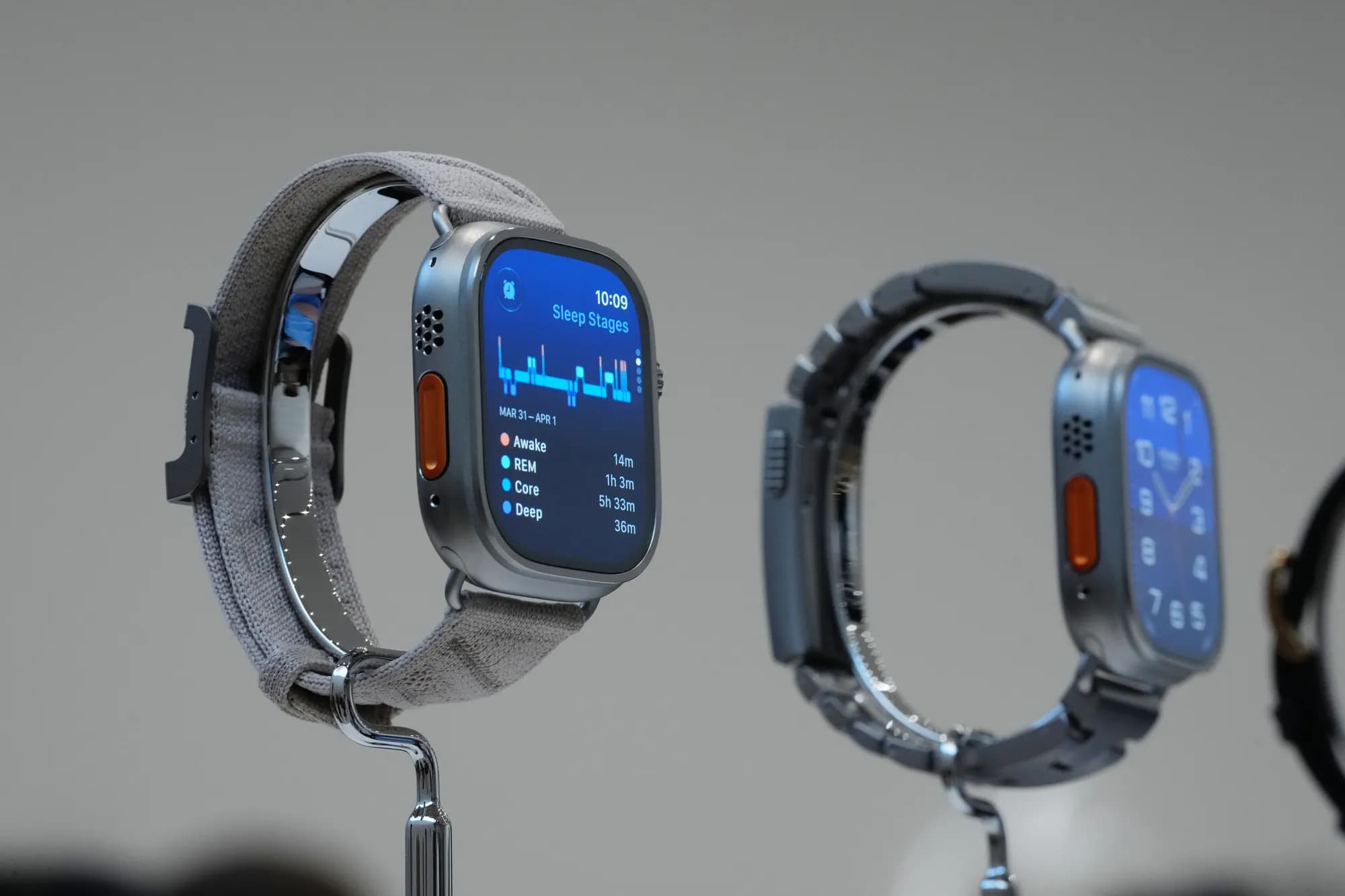
With the arrival of the newest generation of Apple's flagship wearables, the conversation has shifted dramatically. The latest iteration of the rugged tier brings impressive gains in battery longevity and health-monitoring sophistication, yet the corresponding mainstream series has quietly absorbed so many former high-end exclusive capabilities that the practical gap is shrinking. For developers, hardware nerds, and daily users, this convergence raises fascinating questions about feature trickle-down economics, product positioning, and the ultimate ceiling of wrist-based computing.
The Evolving Landscape of Wearable Tech
When rugged, oversized smartwatches first hit the market, they were built specifically for endurance athletes, deep-sea divers, and backcountry explorers. They offered mammoth footprints, ultra-bright displays legible in direct sunlight, and physical action buttons that could be operated with thick gloves. For the average office worker, commuter, or casual runner, these devices were massive overkills—both physically and financially. They represented a separate branch on the evolutionary tree of personal technology.
Over time, however, the underlying silicon, sensor suites, and software platforms have standardized. Once a component like a dual-frequency GPS chip or an advanced biometric sensor becomes cost-effective to manufacture at scale, it inevitably migrates across product lines. This historical trend of technology commoditization means that today’s niche luxury feature quickly becomes tomorrow’s baseline expectation. As a result, the newest high-end rugged watch finds itself competing not just against traditional sports chronographs, but increasingly against Apple's own mainstream lineup.
Where the Flagship Rugged Tier Still Shines
Despite the narrowing gap, the top-tier rugged device retains critical advantages for its core demographic. Battery endurance remains the single most compelling argument for choosing the heavier, titanium-built model. For individuals engaging in multi-day backpacking trips, ultramarathons, or extended outdoor excursions, the ability to bypass the daily charging ritual is non-negotiable. This extended runtime is achieved through physical space optimization—accommodating a larger chemical energy cell inside a more robust, sealed chassis.
Furthermore, durability under extreme physical duress sets the rugged tier apart. Sapphire crystal faces paired with aerospace-grade metal casings designed to withstand blunt impacts, corrosion, and extreme temperatures ensure that the device survives environments that would shatter a conventional glass-and-aluminum timepiece. Specialized software complications tailored for diving, mountaineering, and precise compass navigation further cement its utility as a dedicated instrument rather than a mere notification mirror.
The Case for the Mainstream Alternative
While the extreme-sports watch boasts impressive engineering, the mainstream counterpart has quietly evolved into a powerhouse that satisfies the needs of ninety-five percent of consumers. Improvements in display technology, power efficiency, and ambient health tracking mean that the everyday model no longer feels like a compromise. Users get access to the same fluid operating system, the same rich application ecosystem, and a remarkably similar suite of daily fitness metrics.
Economics also play a pivotal role in this dynamic. The mainstream device delivers an optimal balance of cost and capability, making it an easy recommendation for upgrade cycles. For individuals who primarily track daily step counts, sleep patterns, and occasional workouts while managing text messages and calendar alerts, the massive price premium of a rugged wearable is difficult to justify. The mainstream model hits the sweet spot of modern consumer utility without demanding a luxury investment.
Developer and Ecosystem Implications
For software engineers and application developers building for the wrist, this hardware convergence is largely welcome news. When advanced sensors, brighter displays, and more capable processors become ubiquitous across multiple tiers rather than locked behind an expensive niche wall, the addressable market for sophisticated apps grows. Developers can design rich fitness, productivity, and health-tracking applications knowing that a much broader segment of the user base possesses the hardware required to run them smoothly.
This hardware parity also simplifies UI and UX design constraints. While developers must still account for varying screen sizes and physical control inputs—such as the presence of a customizable action button on the rugged model—the core computational capabilities and sensor APIs remain remarkably consistent. This allows teams to focus on delivering meaningful data and seamless interactions rather than wasting cycles on heavy fragmentation workarounds.
Weighing the Future of Smartwatch Tiers
As we look toward future hardware iterations, manufacturers face a classic innovator’s dilemma. If the mainstream device gets close enough to the premium model for most people, what drives high-end sales? The answer likely lies in moving beyond incremental spec bumps into entirely new categories of health diagnostics, non-invasive monitoring, or standalone connectivity. True innovation must create new value rather than merely trickling down existing features.
For buyers, this maturation of the market is ultimately a win. It means that choosing a lower-tier device no longer feels like settling for obsolete technology. Instead, consumers can make purchasing decisions based purely on specific physical form-factor preferences and lifestyle requirements, secure in the knowledge that the core intelligence of their wearable is just as sharp regardless of the shell it comes in.
Conclusion
The narrowing gap between Apple's elite rugged wearable and its mainstream counterpart marks a significant milestone in the maturity of the smartwatch industry. By pushing advanced health tracking and better energy management into the broader ecosystem while retaining specialized durability for extreme users, manufacturers are redefining product segmentation. For developers and consumers alike, this convergence fosters a more unified platform where brilliant software and capable hardware are more accessible than ever before.
Source: wired.com