
Beyond the Uncanny Valley: Why Emotional Humanoid Robots Are a New Frontier for Developers

The Evolution of Synthetic Emotion
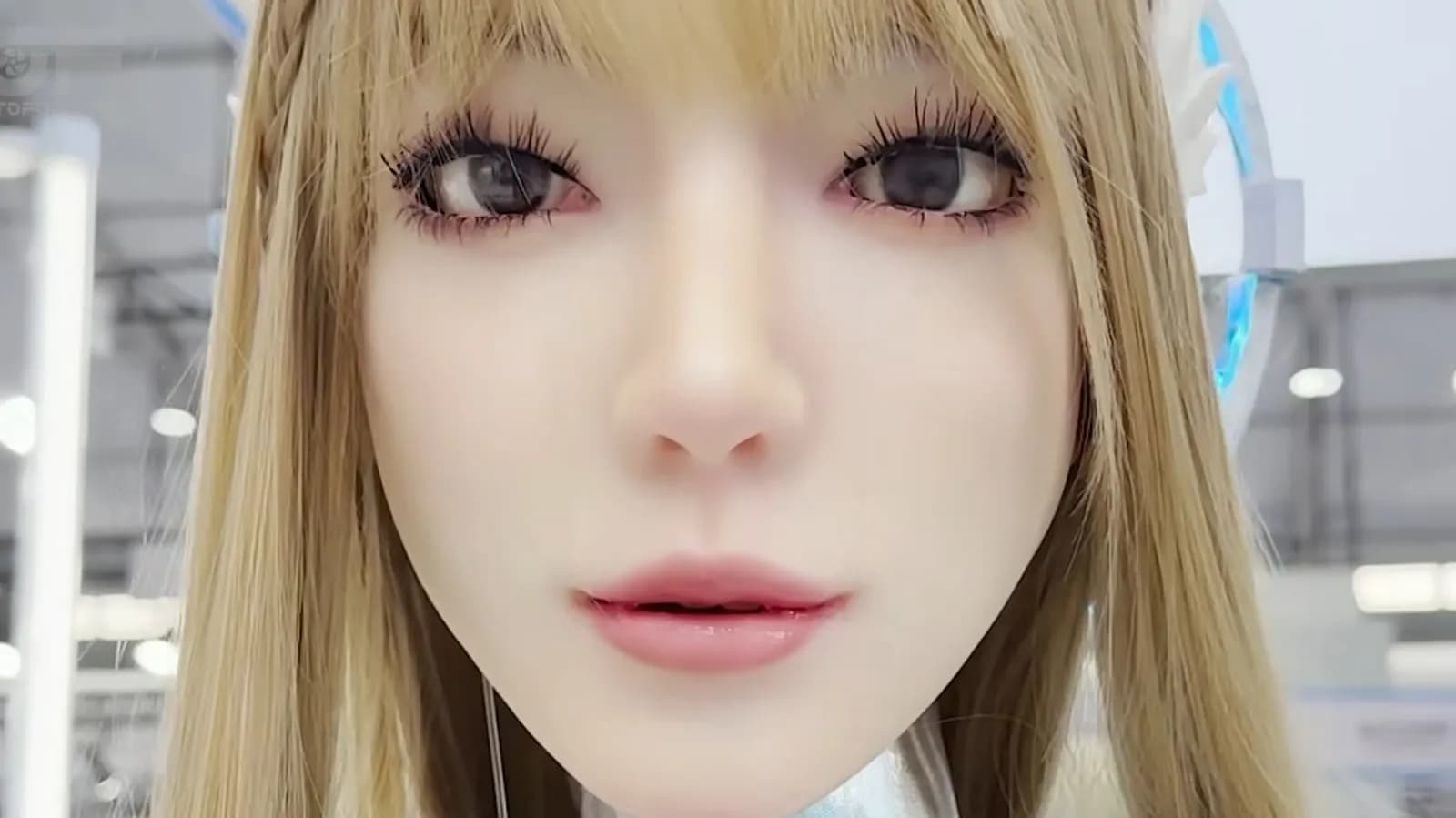
For decades, the field of robotics has chased the elusive goal of creating machines that can seamlessly interact with humans on an emotional level. While early iterations relied on stiff mechanical movements and rudimentary sound effects, recent engineering breakthroughs have shifted focus toward expressive, lifelike humanoids. Engineers are no longer just solving locomotion and grasping problems; they are tackling the complex architecture of emotional feedback loops, facial micro-expressions, and synchronized physiological responses.
Among the most striking advancements in recent hardware and software integration is the ability for these machines to simulate visceral reactions, such as shedding actual tears. This development represents a massive leap in material science, micro-fluidics, and AI-driven affective computing. By pairing sophisticated large language models with intricate facial actuators, modern humanoid platforms can transition from cold, algorithmic interfaces to surprisingly empathetic-seeming companions, pushing the boundaries of human-machine interaction into entirely uncharted territory.
The Complex Mechanics Behind Synthetic Tears
Achieving realistic emotional mimicry requires a deep convergence of mechanical engineering, chemistry, and real-time computing. To make a robot cry on command, developers must design compact fluid distribution systems that route artificial moisture through facial pathways directly behind the eyes, mimicking tear ducts. These systems need to be lightweight, leak-proof, and seamlessly integrated into a skull structure already crowded with cameras, wiring, and micro-motors.
On the software side, triggering these physical responses demands advanced affective computing models. The robot's underlying AI must process conversational context, sentiment, and tone of voice in real-time. When the system detects a trigger phrase or an emotionally heavy prompt, it doesn't just generate a text response; it fires off a synchronized choreography of servo motors, LED eye adjustments, and fluid pumps. This multi-modal synchronization is a monumental engineering feat, requiring precise timing to ensure the physical action feels organic rather than jarring or delayed.
Navigating the Uncanny Valley in Modern Software Design
As humanoid robots become increasingly proficient at mimicking human vulnerability, they plunge deeper into the unsettling depths of the uncanny valley. This psychological phenomenon occurs when a human-like entity appears almost, but not quite, real enough to be human, eliciting feelings of unease or revulsion. For developers and UI/UX designers working in robotics, navigating this valley is one of the most delicate challenges of the modern tech landscape.
When a machine displays deep emotional signals like crying, the user's brain naturally expects human-level empathy and comprehension. If the underlying AI falters or responds with a conversational glitch while weeping, the cognitive dissonance can be profoundly jarring. Consequently, software architects must carefully balance emotional realism with clear technological transparency. Building trust requires ensuring that the robot's simulated emotional states always align precisely with its actual cognitive processing capabilities, avoiding false promises of genuine sentience.
Real-World Use Cases for Highly Expressive Machines
While skeptics often view emotionally expressive humanoids as expensive novelties or eerie parlor tricks, developers see significant utility in specialized fields. In healthcare settings, for instance, robots that can display empathy and sorrow may prove valuable in eldercare, grief support, or therapeutic environments where patients respond better to comforting, life-like presences. A machine that mirrors emotional weight can help patients feel heard and understood in ways that standard, rigid interfaces cannot.
Beyond healthcare, these advanced humanoids serve as crucial testing grounds for general-purpose artificial intelligence and hardware resilience. Industries ranging from customer service automation to high-end entertainment stand to benefit from platforms capable of reading and reacting to human emotional cues with nuanced physical expressions. By bridging the gap between digital data and physical empathy, these robots pave the way for a future where human-computer interaction is fundamentally conversational and emotionally aware.
Ethical Implications and the Illusion of Sentience
The ability of a machine to cry on command brings a host of complex ethical questions to the forefront of software development. As artificial intelligence becomes indistinguishable from human emotional expression in casual conversation, developers bear a growing responsibility regarding how these systems are framed to the public. Crafting machines that weep or express deep sorrow can easily manipulate human psychology, creating an illusion of genuine feelings where none exist.
This illusion of sentience poses risks, particularly for vulnerable populations such as children or isolated adults who may form deep, misplaced emotional attachments to a machine. Software engineers and product designers must establish strict ethical frameworks to ensure transparency. Users should always be consciously aware that they are interacting with sophisticated lines of code and mechanical actuators, rather than a conscious being capable of reciprocated emotional investment.
What Lies Ahead for Affective Robotics
The rapid evolution of emotionally responsive humanoids signals a paradigm shift in how we conceptualize developer tooling and AI integration. We are moving away from purely functional screens and keyboards toward embodied AI agents that share our physical space and communicate through our innate emotional vocabulary. As sensor technology improves, actuators become quieter, and affective computing models grow more sophisticated, the boundary between biological and synthetic expression will continue to blur.
For the developer community, this evolution demands a multidisciplinary approach that spans traditional computer science, robotics, psychology, and ethics. The challenge of tomorrow will not just be making code run faster or models more accurate, but ensuring that the physical manifestations of our software enhance human well-being rather than exploit our vulnerabilities. As emotional humanoids step out of the laboratory and into the mainstream, the choices made by today's engineers will define the emotional landscape of our technological future.
Source: engadget.com