
Bridging the Divide: Why the Razer Barracuda V2 Pro Matters for Developers and Gamers

The Convergence of the Gaming Battlestation and the Dev Desk
For years, software engineers, data scientists, and system administrators have maintained a strict boundary between their professional hardware and their personal entertainment setups. The desk at the office or the home workstation was outfitted with ergonomic, understated mechanical keyboards, neutral mice, and professional studio headphones. Meanwhile, the gaming rig hidden in the corner featured aggressive RGB lighting, booming bass profiles, and unmistakably futuristic aesthetics. Recently, however, this line has begun to blur significantly as remote work, hybrid schedules, and flexible living spaces force our hardware to pull double duty.
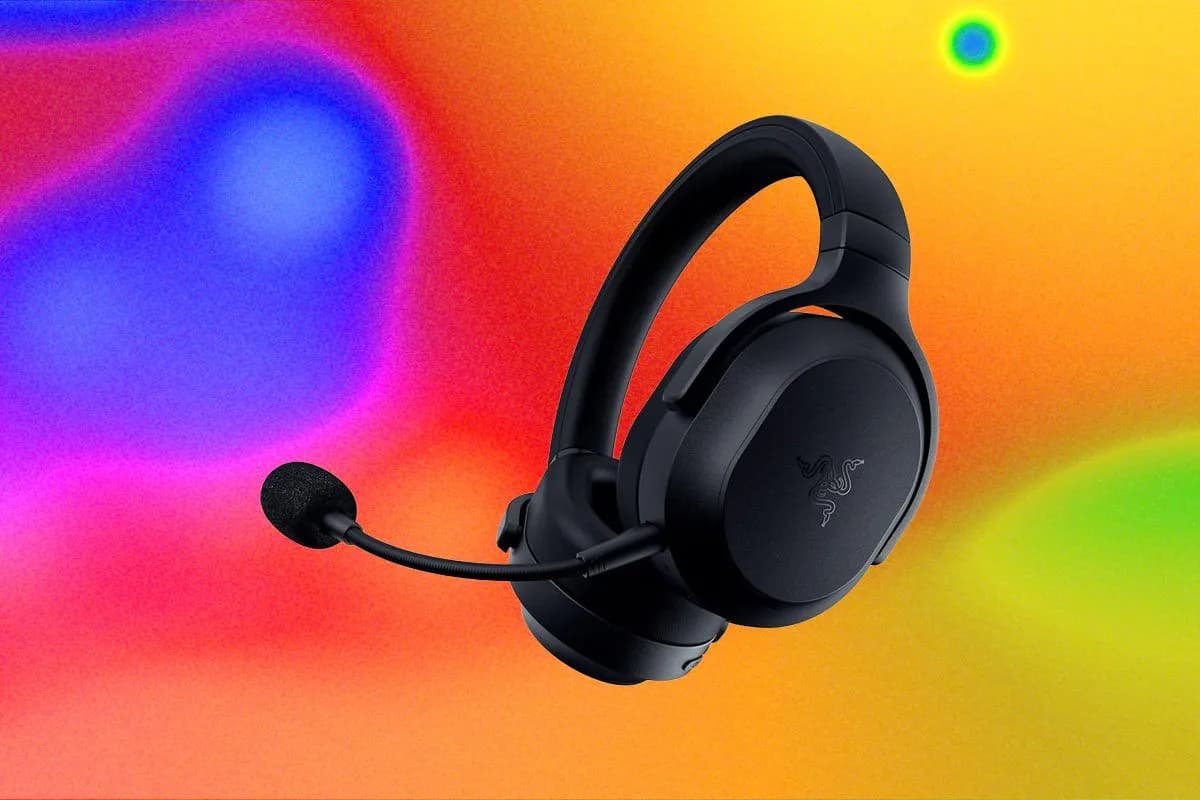
Peripheral manufacturers have noticed this shift, leading to a wave of hardware designed to look at home on both a corporate Zoom call and a late-night multiplayer session. The Razer Barracuda V2 Pro represents a prime example of this design philosophy. By stripping away the flashy microphones and neon branding typically associated with gaming headsets, manufacturers are targeting professionals who demand high fidelity, reliable connectivity, and ergonomic comfort for twelve-hour working days, without sacrificing the spatial audio and responsiveness needed when the workday ends and the game begins.
Dissecting the Design: Subtlety Over Spectacle
The visual language of gaming hardware has historically been polarizing. Sharp angles, glowing logos, and brightly colored accents rarely mesh well with a minimalist desk setup or a professional office environment. Devices like the Barracuda V2 Pro signal a maturity in the gaming peripheral market, proving that high-performance audio does not require an eccentric visual identity. Matte finishes, clean lines, and retractable or internally integrated microphones are becoming the gold standard for hardware that bridges these two worlds.
For developers, this aesthetic restraint is more than just a matter of taste; it is about professionalism and comfort. A bulky external boom mic can feel out of place during a client presentation or an executive review. By utilizing beamforming internal microphones or sleek, detachable solutions, modern multi-purpose headsets allow engineers to seamlessly transition from debugging code on a video call to coordinating strategy in an online match. Comfort is another crucial factor. Engineers often wear headsets for hours on end while listening to focus-enhancing ambient soundscapes, making lightweight chassis design and breathable ear cushion materials essential requirements.
Audio Engineering for Both Code and Combat
Sound profiles traditionally required a compromise between professional utility and gaming performance. Studio monitors and office headphones are generally tuned for a flat frequency response, emphasizing vocal clarity and neutral reproduction, which makes them ideal for podcasts, conference calls, and listening to music while writing code. Gaming headsets, on the other hand, have historically leaned heavily into exaggerated low frequencies and boosted highs to emphasize explosions, footsteps, and environmental cues.
The evolution of modern multi-purpose headsets lies in software-driven sound profiles and high-end acoustic driver design. Users now expect their audio gear to adapt dynamically to the task at hand. When an engineer is reviewing code or talking through system architecture, the headset should deliver crisp, clear vocal ranges. When the workday concludes, a quick profile switch should activate spatial audio features and richer bass response to enhance immersion in virtual worlds. This dual capability eliminates the financial and physical clutter of maintaining two separate audio ecosystems on a single desk.
Connectivity and the Multi-Device Developer Workflow
Modern developers rarely work within a single computing ecosystem. It is increasingly common to transition between a primary Linux or Windows workstation, a company-issued MacBook, and a mobile device for authentication or testing. Consequently, connectivity has become one of the most critical aspects of peripheral evaluation. Traditional wired headsets are simple and reliable, but they tie the user to the desk, making it difficult to grab a cup of coffee while listening to a recorded stand-up meeting.
Dual-wireless technology—simultaneously supporting low-latency 2.4GHz RF via a USB dongle and Bluetooth—has become a mandatory feature for high-end hybrid headsets. This allows a developer to stay connected to their primary desktop for high-performance audio while remaining instantly reachable via their smartphone for calls or notifications. Seamlessly switching between these sources without re-pairing or unplugging dongles removes friction from complex, multi-device workflows, saving precious minutes throughout the day.
Battery life and charging infrastructure are equally vital for hardware meant to last through long development sprints. A dead headset in the middle of a deployment or an emergency incident response call is a critical failure. Modern hybrid devices leverage power-efficient Bluetooth chips and fast-charging USB-C standards to ensure that a quick top-up during lunch provides hours of uninterrupted runtime. As developers demand more from their mobile and stationary environments, battery reliability has transitioned from a convenience feature to a core performance metric.
The Broader Industry Shift Toward Hybrid Peripherals
The rise of devices designed for both the office and the gaming rig reflects a broader economic and cultural shift in how technology is consumed. The traditional boundaries separating consumer entertainment hardware from enterprise productivity tools are dissolving. Employees who spent the better part of the decade working from home grew accustomed to using their personal high-end hardware for professional tasks. Now, as hybrid work models solidify, these users expect office-approved gear to deliver the same performance, comfort, and feature sets they enjoy during their leisure time.
This convergence poses both a challenge and an opportunity for hardware manufacturers. Companies that previously relied on distinct product lines must now innovate to create unified devices that satisfy conflicting demands. For developers, this means the overall quality of professional-facing peripherals is rising dramatically. Technologies originally pioneered for competitive gaming—such as ultra-low latency wireless protocols, advanced spatial audio drivers, and customizable software suites—are finding a second life in productivity and software engineering environments.
Closing Thoughts
The modern developer's desk is a sanctuary of focus, productivity, and occasional recreation. Hardware that respects this multifaceted environment by combining understated aesthetics with uncompromising performance is no longer a luxury—it is a practical necessity. Products that successfully bridge the gap between enterprise utility and gaming pedigree demonstrate that we no longer have to choose between looking professional on a video call and enjoying immersive audio when the work is done. As the lines between our professional and personal digital lives continue to blur, multi-purpose peripherals are paving the way for a more streamlined, versatile workspace.
Source: wired.com